Ethical Addictions Logo link to homepage

Take-out items: Price Update

As you are probably aware from the news there are huge challenges with items coming in from overseas at the moment.  From all suppliers we are being met with a lack of product availability and significant price increases.  This is due to a perfect storm of post-Covid demand, Brexit border issues, complicated supply chains increasing shipping container costs, the Suez Canal blockage that still has a backlog, and an increase in raw materials.  All of this has meant a shortage of products and price increases.

We are sourcing what options we can for cups, lids and other items to keep our customers trading, however in the short-term this does mean replacement products where we may have to compromise on compostable/recyclable options purely because of availability, and then due to short supply and huge demand there are fluctuating prices.

We will endeavour to source the best options at the best price, however in the short-term this means we all need to be flexible and unfortunately be prepared to pay a little more.

Our hope and expectation is that prices will return back down within a few months at most and a reliable supply of good compostable products will be secured.
In the meantime please be patient with us and raise any questions with us you may have.

Understanding Deforestation

Table of Contents

I’ve heard the statistic before but it still both hard to comprehend but horrifying.

❛❛

“According to WWF, in 2019, the tropics lost close to
30 soccer fields’ worth of trees every single minute.”

❜❜

The need for firewood and charcoal, and thus the effect on forests is a big problem, and when it’s a choice of personal survival or planet I do understand the predicament, and I try to not be quick to judge, however it does show where our responsibilities lie to help with education and opportunity for those facing such difficult choices – hence our work, small but significant impact, for stove-building, tree-planting and working with the Maasai in Nykaweri to initiate a conservation on the plateau near the Mara. We also only buy from farms where they practice shade-gown, environmentally sensitive practices.

Rachel Brown, a writer for DIY Garden sent us a link to her article entitled “The Ultimate Guide to Help Prevent Deforestation” that she thought our readers might be interested in. Rachel has very kindly allowed us to include an extract which we have included below.

Deforestation Today

Deforestation is only continuing and accelerating, with many of the same negative effects—now on a larger scale. Tropical rainforests are among the most affected by deforestation today. Because tropical rainforests contain such biodiversity, their loss is especially harmful.

You may have read recent news stories covering, for example, the thousands of fires burning in the Amazon Rainforest—the smoke can even be seen from space. Over the past couple of years, rates of deforestation in the Amazon have skyrocketed. People first cut and collect timber, then set fires to clear out vegetation and ready the land for agriculture.

In East African countries such as Uganda and Kenya, deforestation is largely driven by the demand for firewood, charcoal, and timber. Conservationists estimate that in the past 25 years, Uganda has lost over 60% of its forest coverage.

In southeast Asia, numerous forests are cleared for palm oil plantations. Cheap and versatile palm oil is found in numerous products, from food to shampoo, animal feed to lipstick. It’s hard to avoid palm oil these days, but the demand for the product is devastating some of the world’s most biodiverse forests and threatening species such as the Orangutan and the Sumatran rhino. In short, deforestation and forest degradation occur worldwide.

How to Prevent and Reverse Deforestation

Sustainable Farming

Tree Planting Project Mweka Villages
Tree Planting Project (Mweka Villages)

Because agriculture is such a major driver of deforestation, the development of more sustainable farming techniques is crucial.

As we have seen above, unsustainable agriculture often damages the land’s fertility over time, leading to erosion or nutrient depleted soil. Once an area of land is depleted, new forest is cut to make room for more crops. Proponents of sustainable agriculture hope to stop this harmful cycle.

Sustainable agriculture is a huge topic in and of itself, but I’ll mention some of the basic components here. As outlined by scholar Jules Pretty sustainable agriculture aims to:

  • “integrate biological and ecological processes such as nutrient cycling, nitrogen fixation, soil regeneration…predation and parasitism into food production processes”
  • “minimize the use of those non-renewable inputs that cause harm to the environment or to the health of farmers and consumers”
  • “make productive use of the knowledge and skills of farmers, thus improving their self-reliance”
  • “make productive use of people’s collective capacities to work together to solve common agricultural and natural resource problems, such as for pest, watershed, irrigation, forest and credit management.”

In short, sustainable farming seeks to balance shorter-term needs (profit margins for the farmers) with longer-term ones (the continuing health of the ecosystem).

Choose ethically-made products

Whenever possible, I buy items second-hand from charity shops. It’s also a good idea to do research on where the ingredients in your common purchases come from and choose ethical and fair trade companies.

The more that consumers demand transparency and environmental ethics from corporations, the more those corporations will feel compelled to improve their business practices.

Rachel is a senior writer at DIY Garden reporting on all things from gardening to fun with the kids. To understand deforestation in detail read her full article here: The Ultimate Guide to Help Prevent Deforestation.
Rachel Brown
Guest Writer

Brazilian News Archive

Great Brazilian Coffee Direct

This year we started a new feature on our journal and through social media where once a month we highlight one of our single origin sources. This month it’s our Brazilian Gerezim. 

We thought it would be a great opportunity to share some of the original newsletters that we sent out in the past that chart our journey with the Caixeta family.

This journal blog post features issues four, five and six of the Daily Espresso that were published between 2010 and 2011.  Enjoy.

Table of Contents

June 2010

Back 3 weeks now and ready to share some great news. Ethical Addictions will now be working DIRECT with farmers in Brazil to deliver the great Brazilian roast coffee we are known for, direct from the farm, making a real difference to the workers and their families. 

We at Ethical Addictions set out 4 years ago to supply the best coffees whilst making a genuine difference to the farmers and the coffee growing regions. During this period, as we have sourced award winning coffees, we have made relationships with farms and villages in Africa. 

As we’ve grown it now makes sense to expand our dream and values to work with other farms. Our Brazilian Rainforest coffee comes from a family farm in the Minas Gerais region, near Sao Paulo.

The founding of Gerezim Fazenda

It’s history is best heard through the words of Athos Caixeta: 

❛❛

“After four generations the tradition in the coffee growing keeps very strong and alive in the life of the family Franco Caixeta and for sure it will be continued for much more because the coffee business it is some that is in our genes.

Everything started more than 140 years ago, when Isaltino (my great-grandfather) moved from Paraná state, to south of Minas Gerais, region today well-known for producing the best coffees of the country. He established his home at the city of Machado, where he began to plant the first seeds of coffee. At that time, it was need to do all work manually, a very hard work that lasted several years.

But after all that hard work, he realised that he was at right place to grow coffee. The soil and the climate in that area have shown great for this culture, besides altitude higher than 1000m, a good base for producing high quality coffees. 

Today, my father, Isaltino Franco Caixeta, is the responsible for the Gerezim Farm and Vira Mão Farm, two farms inherited that keep the same tradition of producing good coffees respecting the environment and helping the collaborators of the farm get a better life.” 

❜❜

Brazilian roast coffee

A direct relationship at a fair and sustainable price is a dream and a prayer of Athos and his family for many years. 

Join EA on on a journey to enjoy great coffee sourced fairly, sustainably, and direct.

December 2010

Ethical Addictions is 4 years old now and I’m in reflective mood as we approach the end of 2010. Sometimes the day-to-day doesn’t reflect the passion and story we’re trying to live out.

Here is a well known story I want to share from Loren Esiley’s The Star Thrower.

❛❛

Once upon a time, there was a wise man who had a habit of walking on the beach before he began his work. One day, he looked down the beach and saw a human figure moving like a dancer. He smiled to himself at the thought of someone who would dance to the day, and so, he walked faster to catch up. 

As he got closer, he noticed that the figure was that of a young boy, and that what he was doing was not dancing at all. The boy was reaching down to the shore, picking up small objects, and throwing them into the ocean. 

He came closer still and called out “Good morning! May I ask what it is that you are doing?” The boy looked up, and replied “Throwing starfish into the ocean.” “I must ask, then, why are you throwing starfish into the ocean?” asked the startled wise man. What’s the Story? To this, the boy replied, “The sun is up and the tide is going out. If I don’t throw them in, they’ll die.” 

Upon hearing this, the wise man commented, “But, do you not realize that there are miles and miles of beach and there are starfish all along every mile? You can’t possibly make a difference!” 

At this, the young man bent down, picked up yet another starfish, and threw it into the ocean. As it met the water, he said, “I made a difference to that one!” 

❜❜

At EA this story epitomises what we’re trying to do – make a difference one small step at a time. Our journey so far includes so many difference-making stories: from the small villages of Kilimanjaro, to the family-run Gerezim Farm of Brazil whose first shipment has now arrived in the UK. 

We’ve seen lives changed by paying premium prices, investing in the infrastructure of the farms, supporting social projects in the villages, as well as charity work with orphans in Uganda. 

And through all of this we’ve had the joy of drinking great Brazilian roast coffee and sharing it with you. 

None of this would have been possible without our customers – business and at-home alike, we’re thankful for you and for your partnership in making a difference Thank You

Our commitment to the farms is unwavering and we looking forward to the next chapters of these stories. Join EA on a journey to enjoy great coffee sourced fairly, sustainably, and direct.

October 2011

This was the title of the email we received last month from Athos, at the Gerezim Farm in Brazil. Simple translation – the export of eco/organic coffee to England. 

We’re thrilled to be continuing with our direct trade relationship with Athos and his family in Minas Gerais and can announce the imminent arrival of this years Brazilian coffee crop – ready for roasting in early 2012. The upward movement in coffee prices again this year has once again been reflected in the price we have agreed and can confirm they are pleased not only with the premium price they are receiving but the committed relationship in which we are conducting business with them.

It’s a tough time for businesses and individuals alike and we’re aware we trade in high quality and high ethics therefore not being the cheapest – but we never intended to be – Ethical Addictions has always been about the best coffee, and the best way to trade. 

None of this would have been possible without our customers understanding and appreciating that and believing in the excellent value we supply. 

We’re thankful for you and for your partnership in making a difference.

Thank You

Goodbye 2020 – Hello 2021!

Reflections on 2020?

Table of Contents

“It was tough, but we’re OK!”

2020 was a difficult year emotionally, mentally and financially. Within the space of a few days in March, due to Covid-19 and the National Lockdown, we lost around 90% of our customers. Our immediate hopes, thoughts and prayers at the time was to keep everyone’s jobs (which thankfully we’ve managed to do) and to look after the farmers overseas.  We have kept providing high quality service to our customers, honoured agreements to buy crops overseas and set ourselves up to go again this year. 

We spent time and energy on our new website, which we launched in June. It looks great, functions well and has allowed us to add additional products for customers, such as coffee subscriptions. Later in the year we launched the “a taste of” series. This has had fantastic reactions from our customers (old and new) and provided another way to introduce people to our coffee, with the option to give as a gift to a friend. 

During the various lock-downs, we had time to reflect on our business and see what changes we wanted to make such as adjustments to packaging and processes. 

The time to reflect has made us incredibly thankful for what we have got and has reminded us of the difference Ethical Addictions as a business makes to those it works with.

Supporting our Community

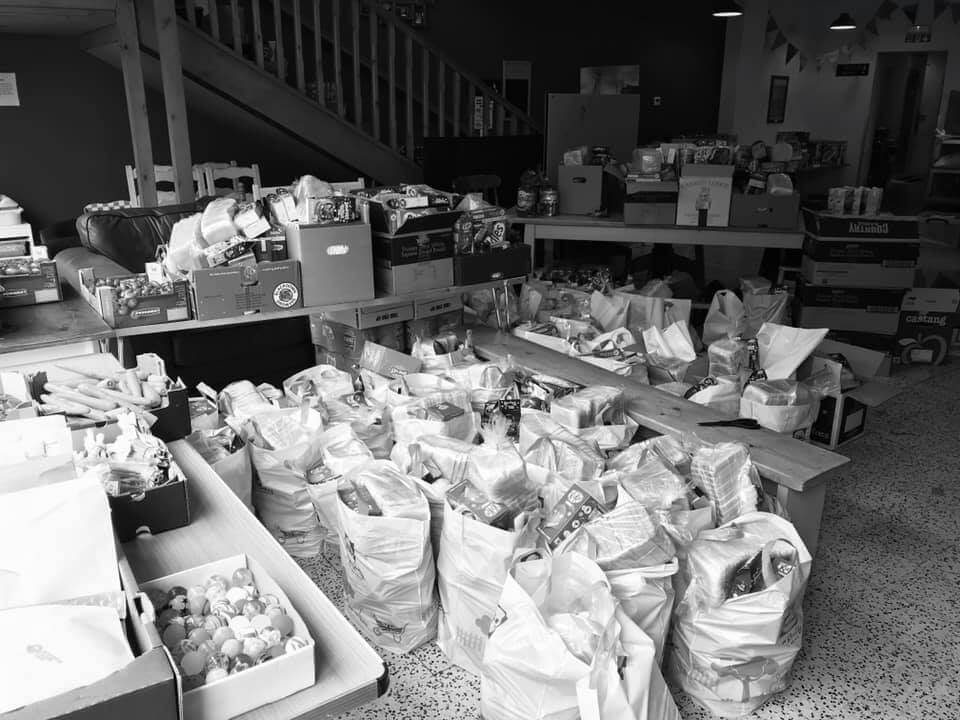
Prepping food hampers at Roots Cafe, Gloucester

Our heart as a business has always been to help others where we can. One thing a quieter year gave us was time here as staff to help others in need and to volunteer in our local communities. Locally in Gloucestershire, we got involved in food projects, where we helped set up food kitchens and delivered meals to vulnerable families and isolating individuals. It was good to be connected to our local community and be able to make a difference.

How have the farmers been impacted by Covid-19?

A lot of our farmers certainly in the early part of 2020 were unaffected on a personal level as they live in incredibly remote locations. 

As of now, Covid-19 has reached most of the rural parts, but in relatively small numbers. They seem to be pretty active in isolating the infected, helping to limit its spread. Machado, a small town in central Brazil has had very few cases. The villages in Jacutinga and Mweka at last contact had no cases so far.

So now in 2021 it’s about how we can honour the contracts and the crops that they are harvesting and assuring them that we are sticking with them for the long term.

Planning for 2021

(as best you can in a global pandemic!)

One of the things we have really missed this year was visiting all the farms we work with and catching up with the farmers we’ve known for years. We’re itching to get back on a plane and go and visit, particularly the most rural, small villages who we don’t have email and phone contact with. We want to reassure them that we will continue to work with and support them. 

We’ve been doing this for 14 years now. We have long standing relationships and they know we will be around. We have had crises before and supported them through. They know we are in it for the long term but I want to be able to reassure them face to face. That kind of connection is really important to me.

We still want to get out to Cameroon but have been struggling for years because of the civil war there. We are also looking at sourcing new coffee from around the world – after guesting a great Colombian coffee we want to develop a full direct trade relationship there.

Last year our plans to move were put on hold. If all goes well our big hope is that this year we can get the roastery to a new building. We want to expand, put a training kitchen in, have a bigger roastery and production and make things easier for visitors.

❛❛

“We have long standing relationships [with farmers] and they know we will be around. We have had crises before and supported them through. They know we are in it for the long term but I want to be able to reassure them face to face. That kind of connection is really important to me.”

❜❜

Prices remaining the same

You will be glad to know that we will not be increasing our coffee prices which have stayed the same since 2017. We have decided to absorb any additional costs to ensure we are all healthier for the long term. We are honouring the relationships with our farmers and paying them the full premium rate for their coffee.

Unfortunately we cannot make any promises on other products like tea and hot chocolate because it depends on our suppliers.

Projects

We want to look at new projects. Even though we have been hit financially this year, we still believe in giving out of what we have got and not just waiting until we can afford to be generous.

Guest Coffees

The other really exciting thing about 2021 is that we have some guest coffees arriving through contacts in the coffee industry. We know of some situations where people are struggling so we will be buying a few bags to help out. We have some coming very soon from Rwanda.

We’ve got our raised bed project coming out of Jacutinga, Brazil which we are really excited about. It’s high grade Arabica coffee with hints of mango which will be very special.

best coffee subscription uk | roasters choice
Guest Coffees 2021

Summary

If I was to sum up this article it would be to say that you never know what is going to happen in life but my mental health is always better when I try to find the positive in it and learn to be grateful for what I do have. 

There is a lot I am grateful for, lots to look forward to and lots of exciting things happening in 2021.

Ian is the founder and head bean at Ethical Addictions. He describes himself as a husband, father, friend DIY enthusiast and coffee lover.
Ian Meredith Profile Picture
Ian Meredith
Head Bean

Africa Coffee Archive

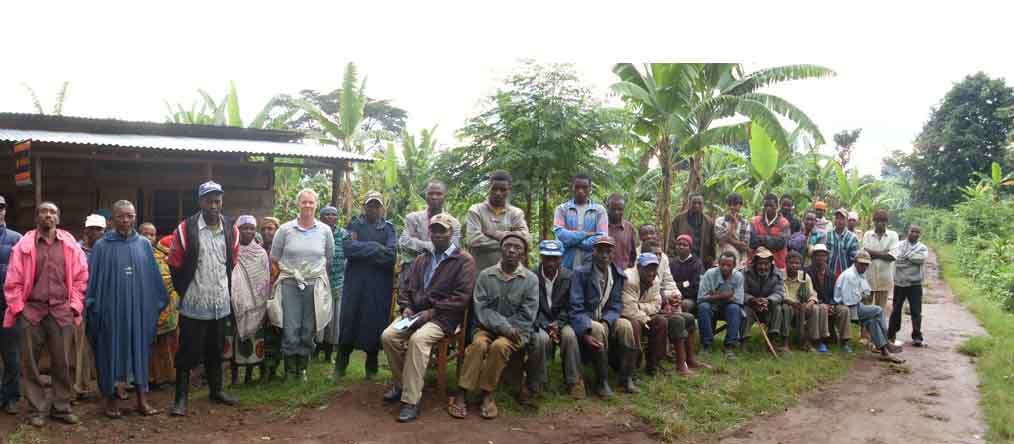
Africa Coffee Orera Villagers 2009

Ethical Addictions purchased it’s first Africa coffee from the Machare farm on Mount Kilimanjaro in Tanzania.

This journal entry features the first three issues of the Daily Espresso that were published in 2009. Reading these articles you will discover some of the projects that Ethical Addictions has been involved with in Tanzania and the difference it has made to the villagers being paid fairly for their coffee.

Table of Contents

March 2009

At the beginning of January we had a discussion in the office (our new Elephant House) about how we were going of-set our carbon footprint for 2008. After discussing a number of options I decided to speak to the farm manager at the Machare farm on Kilimanjaro to see if she had any ideas. She suggested that we buy stoves for the families who live in Orera Village. Each stove will save half a ton of carbon a year but more importantly hugely contribute to the health and life for a family. Have a look at the before and after pictures we have just received.

This is Justina Mrema and her family (her youngest ( a daughter) was born on the 6th of January. We are delighted to say that we have just bought 16 stoves to offset our carbon. I don’t say this to brag about how great we are but more to say that we can all help contribute to one family at a time.

Before
Before
After
After new stove installed

We set out EA in order to drink and supply some of the worlds best coffees, alongside this we genuinely wanted to make a difference in some of the poorest parts of the world. As a small independent company we can only make small, but very real, steps to making a difference.

Following last year’s hydro-electric project and this year’s stoves project the real difference is starting to show. We’re hoping that through continued growth and customer support we’ll see a significant, sustainable difference in the Orera Village and other farms we work with. If you want to talk about how you can help make a difference than give us a call.

Did you know?

We have purchased the whole of the Orera Village’s 2009 coffee crop and it will be available online as “Mountain Top” coffee very soon.

This will provide for the 600 villagers a guaranteed income at a price higher than they could have hoped to have achieved before and a commitment to future crops.

July 2009

As some of you are aware; we set out on this Ethical Addictions adventure with the hope that we could enjoy some of the worlds best coffees whilst also being able to make a genuine difference to some of the poorer parts of the world. Probably the most exciting venture so far has been working alongside the Orera Village on the slopes of Kilimanjaro.

The Orera Village consists of 150 households and is situated just below the rainforest nestling at 6100 feet up the mountain. Being the highest village on Kili and due to its isolated location it isn’t connected to mains water or the electricity network. So far we have been able to assist the village with its three major projects.

The first one was in 2005 with the hydro-electric project. 10 hydroelectric units that produce 500 watts will provide renewable electric for 15 homes. Not only has this system provided electricity but the added benefit is the piping system which which can divert to water for irrigation for the coffee trees and vegetables. This has reduced the water usage by 98% which means considerable less soil erosion but will mean that water is available all year round for drinking. 

Africa Coffee Orera Villagers 2009

The second project was helping to purchase cooking stoves for the village. The homes have been burning wood inside their huts for cooking and heating. The amount of smoke created by the fires inside the homes is equivalent to smoking forty cigarettes a day.

The stoves will also mean that 1000 litres of Kerosene will be saved per month – the money saved will go towards paying for school fees.

The third project has just arrived! When we were last out in Africa we visited with the village elders of Orera and in discussion with them we agreed to purchase their entire next crop of coffee. The main problem for small villages producing coffee is getting a guaranteed sale at a price that makes it a viable proposition. The shipment of 719 kgs of Orera village coffee has just arrived – for us this is a very exciting day. With much anticipation we cupped the

first batch. We were shocked at just how good the Tanzania Kilimanjaro coffee tastes. Shocked because even though the geography is perfect, we weren’t certain about the first years crop. The taste was dark and smooth with a velvety cocoa and caramel finish that was up there with the very best we have tasted.

For those us us who run small business’ we know how tough it can be, but having the Orera coffee arrive goes a long way to making it all worthwhile. The adventure continues… 

Due to the small quantities Mountain Top coffee is only available online.

November 2009

A huge thank you to all those who contacted us and wished us well on our recent trip out to the African coffee farms in Tanzania and the charity work in Uganda (more about Uganda in next months newsletter). 

As many of you who partner with us (that’s you our much loved customers – you know who you are!) We hope to make a difference in the developing world as well as sourcing some of its best speciality coffee. Now we aren’t always sure that we are having an impact. However a couple of emails from a friend on Kili helped us see what difference Ethical Addictions and those who supply the coffee are making. I will let some of the villagers from the Manoshi Village tell you in their own (translated) words.

❛❛

"This season, I harvested exactly 488kg of coffee cherries. I intend to finance the secondary school fees for my two older children and the primary school fees for my three younger children. Moreover, I will finish the building procedures on my house. If there are still some savings remaining, I will buy hens and a goat."
Bernard Malya
Manoshi Villager
"I have to raise my four children on my own. With the earnings of the 25 kg harvest, I would like to finance the secondary school fees of the two eldest and the primary school fees of the two younger children. To this purpose, I also need to invest in the improvement of my coffee farm so that next year’s harvest will be more fruitful."
Ionofefa Kiwia
Manoshi Villager
"I collected exactly 236 kg coffee cherries. I would like to start building a new house in which we will better protected against the heavy rains during the rainy season. I also would like to buy hens. Last-but-not-least, I will be proud and grateful if my two children can finish high-school so that they can attend University in the future."
Alois Shahuri
Manoshi Villager
- This year, I harvested exactly 416.5 kg coffee cherries. With the benefits of this harvest, my priority is to invest in the improvement my coffee farm’s efficiency, send my eight great children to primary school and repair my house.
Elisabeth Mambo ~ Africa Coffee
Elisabeth Mambo
Manoshi Villager
The exceptionally favourable price for the coffee helped me to pay the tuition fees for secondary school for my eldest son and for primary school for my two younger children. We could also finance the food for the all-day school.

Moreover, as there were heavy droughts this year, the money facilitated us to buy beans and maize that we couldn’t grow in self-reliance. Last-but-not-least, I could buy a cow supplying my family with milk. This is just a flavour of the letters we received. I hope like us your thrilled that together we are making a difference.
Laurent Josef Manoshi Villager
Laurent Josef
Manoshi Villager

❜❜

This is just a flavour of the letters we received from the farmers coffee. I hope like us your thrilled that together we are making a difference.

COVID-19 Response

NOVEMBER UPDATE

We continue to deep clean regularly and as a ‘food manufacturer’ are permitted to carry on during this new lockdown.  If you visit the roastery to collect coffee please observe social distancing rules and wear a mask.  At-home customers can order online for collection or delivery.  Wholesale customers we can maintain roasting and delivery to still serve you if you are operating a take-away service to carry on business during this month.


–Announcement: March 16th 2020–

Ultimately our response is to be well-informed and follow government and health advice as necessary.

We are also aware this is a rapidly changing situation and any plans are subject to change at very short notice.

Most of what we have discussed in-house is common sense (and we are doing anyway) however for reassurance of our customers please note the following:
> We are being extra vigilant hand-washing and cleaning at roastery.
> We have plans in place to work from home if necessary (this may make some delays with shipping).
> If we have to close we intend to give notice to customers to place orders (however this may not be something in our control).

Until circumstances change it is business as usual.

Stay safe, keep calm, and please look out for those more vulnerable than yourself in you neighbourhood.

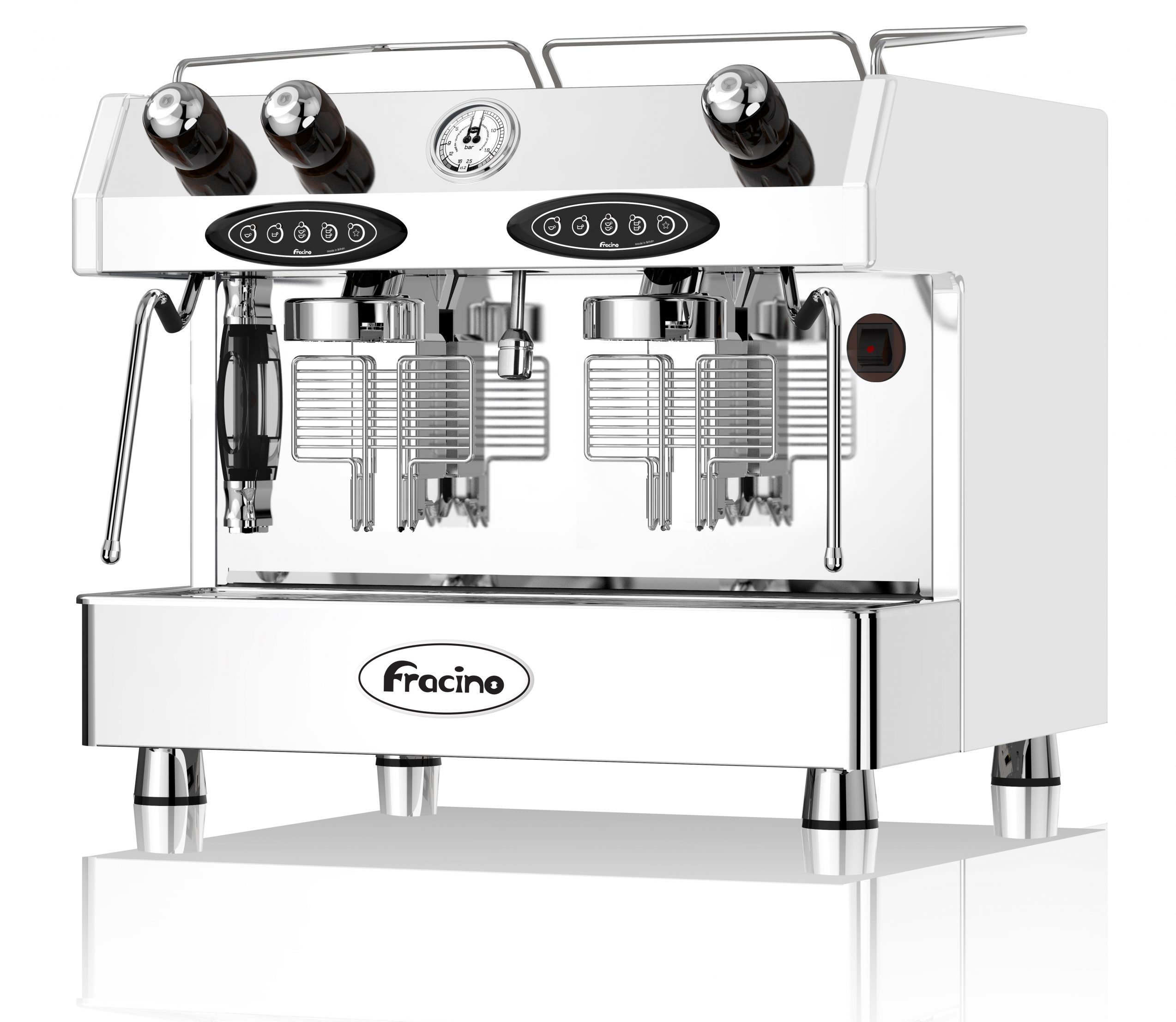
Fracino launch new Bambino Luxury model BAM2LE

Ethical Addictions Farm Direct Coffee sign on back of Bam2e Fracino

The award-winning UK manufacturer has upgraded their Bambino range with a 2-group luxury model, boasting it’s normal robust engineering and reliability with a range of additional features.

Key Features

  • Requires only a standard 240v 13 amp power supply.
  • 2 group models have 120 mm group height clearance to accommodate taller or take-out cups.
  • Rotary solid brass valves for the steam and hot water dispense.
  • Thermosyphonic heat exchangers within the boiler ensure that each group is kept constantly hot for perfect and consistent coffee extraction.
  • Front, Upper and Rear Panels are all made from highly polished stainless steel 304 for easy cleaning and to ensure durable working surfaces. Easy clean stainless steel steam tube.
  • Electronically controlled.
  • Four accurately pre-programmed coffee measures.
  • Automatic group cleaning cycle.

Luxury Additional Features

  • Two fold-away espresso trays.
  • Two steam and one hot water valves. Handles with chrome finish caps.
  • Chrome finish to feet.
  • White side panels and bespoke design pressure gauge.
  • Rear oval 3D logo panel, with option to be personalised to bespoke order – which we did!

It may be the ideal ‘entry level’ machine for smaller coffee shops and restaurants, but it is far from simply being a basic model or budget option.

Partnered with the Luxo On-demand espresso grinder (also available in white) it makes a stunning combination.

Technical Specifications

Model Groups Height Width Depth Weight Boiler Capacity Element Rating
BAM2LE 2 535mm 580mm 500mm 55Kg 10L 2.8kw/13Amp

Can blockchain help enforce ethics within the coffee industry?

❛❛

Currently the average green coffee export value is less than 10% of the $200 billion revenues generated in the coffee retail market. This imbalance illustrates the pressing need for transparency of transactions in order to achieve re-distribution.

page 10 of the 2018 Coffee Barometer report.

❜❜

Table of Contents

The Problem

For a lot of coffee consumers in the UK, we want more than great tasting coffee. We want our coffee to be grown in sustainable environments that are environmentally friendly. Sadly this has not always been achievable. Not because farmers didn’t want to but because they simply couldn’t afford to. 

In 2018, FairTrade wrote an article about Peter d’Angremond of the Max Havelaar Foundation’s concern for coffee farmers who were being paid less for their arabica coffee beans than they were worth. The consequences of underpaying farms is that it has led to human rights issues of poverty and environmental destruction. There are currently estimated to be 25 million coffee farmers around the world so there are a lot of people effected by this issue.

Blockchain to the rescue?

With those sobering statistics in mind, you will be pleased to know that actions are being put in place to increase traceability and accountability to the coffee industry. 

You may have heard of the term blockchain associated with digital money system bitcoin. I’ve included a couple of videos that explain Blockchain simple but in more depth way , but essentially blockchain in the context of food supply is a way of tracking a product from grower to consumer.

The way blockchain works, makes it nearly impossible to hack. This removes the risk of greed and corruption. What this means for a farmer can ask for a fair price for their coffee because they are able to see how much it is being sold for. Consumers can track the source of their coffee back to the farmer to ensure that it meets their own personal criteria for ethics and sustainability.

Two of the bigger companies involved are Oracle and the IBM Food Trust. Oracle has recently used it’s software to help conserve the bee population

IBM’s Food Trust branch is applying blockchain to ethical sourcing of food and drink. As part of this, they have created an app called Thank My Farmer  which allows consumers to track the source of the coffee they are drinking and ensure that it has been fairly traded. They also have a list of projects based in coffee growing countries that you can donate to.

Essentially both platforms are designed to create transparency between each organisation on the supply chain. Trust between organisations is both the strength and weakness of blockchain software.

There has been a strong focus on data privacy in the last few years, so ensuring users data is handled correctly is an important aspect of the process.

Ian's Thoughts

Firstly, we’re very happy that technology is being put in place that encourages accountability between farmers and suppliers. Anything that encourages ethical business is a positive thing for everyone involved. Will EA be signing up to a coffee specific blockchain software soon? Whilst I wouldn’t rule it out in the future, we have essentially been doing what the software wants suppliers to do since the inception of the company.

When we started Ethical Addictions in 2006, we didn’t use traceability as just a buzzword to band around, but as an integral part of our business. Ethics were, and are, so important to us that we literally put it in the name of the company!

Ethical (financial adjective) : avoiding activities or organizations that do harm to people or the environment.*(Oxford Dictionary)

At the core of our business are relationships. Relationships with customers, with suppliers, with us as a team and of course with the farmers we work with. We have a deep respect for the farmers’ knowledge and effort to produce exceptional arabica coffee, and as such we believe that they should be paid what the coffee is worth. We are doing everything in our power to ensure that we maintain our long-term relationships and buying commitments into 2021 and beyond, despite being hit by a global pandemic.

One of the most rewarding parts of my job is being able to sit down with farmers, eat together and share stories. I remember one evening back in 2014 when I was sitting with one of the farm managers discussing the historical aid situation in Africa. We were discussing the way that an extensive quantity of money has been spent on loans and charity, whilst concurrently abusing the same countries in the way we trade with them. He said this:

❛❛

Lots of money has been spent on projects, but no good price has been paid for coffee. If people would just pay well, trade well, and make long-term commitments to relationships, then let producers take care of themselves, their own school fees, their own housing and so on.

❜❜

We pay our farmers the price they deserve for their wholesale coffee beans. We set-up projects to help them improve the quality and quantity of the coffee. As a result their quality of life is improved and they can invest in their families and their children’s education. They are also able to implement sustainability and environmentally friendly systems on their farm.

As a result we receive fantastic quality coffee beans that are environmentally friendly and ethically sourced that we can sell to businesses and individuals.

Blockchain trying to bring accountability to the coffee industry is fantastic news. As I said earlier in the article, it might be something we end up using ourselves in the future. However, I feel that we already do this organically. Not only do we hold each other accountable within EA, but you, our customers, do as well! I am not saying we are a perfect business or that we haven’t got room for improvement but holding ourselves accountable to you our customers is an important part of how we continue to develop as a business and live up to the “ethical” part of our name.

If you would like to trace the interactions with our farmers then please read the farm pages and journal section of our website. 

Newsletters: Archive (2009 – 2018)

The News Shot is our “readers digest”. A one page update on what we get up to throughout the year in a pdf format. Below are the archives ranging from 2009 – 2018. 

Click on one of the compendiums below to see the journey we’ve taken with our farmers.

2014-2018
2009-2014

Cameroon Boyo ~ Impact of the Coronavirus

Back in June our friend in Cameroon, Matti Foncha, who we buy our Cameroon Boyo coffee from, uploaded a video to YouTube where he talks about how the coronavirus  has affected him and coffee production. We have also included a transcript for people who would prefer to read rather than watch the video.

Impact of the Coronavirus Crisis

on the production & direct trade of coffee from Bamenda

Transcript (11 June 2020)

My name is Mattie Foncha. I’m a farmer and I’m in Bamenda (Cameroon). We grow coffee as well as many other crops which we take to world markets. I organise and coordinate the work of so many other farmers in this region but when the government banned travel and closed the borders because of Covid 19, I found myself at home with my elderly mother. She’s in her nineties. So it places both her and me in the high risk category for Covid 19.

In Bamenda most people have not really felt the true impact of Covid 19. We haven’t seen the dramatic deaths that they’ve seen in other countries around the world. People go through the motion. We wear masks and we try to keep our distance but people don’t really truly understand what it’s about so I am glad that I happen to be home with my mother when this travel ban was imposed and I’m going to continue to be here until I am absolutely sure that she can be protected and kept safe. So yes in a way Covid 19 has affected me and my life but it’s in a way for me it’s a positive effect because it gives me a chance now to be sure that I’m giving my mother the best protection she can get at a time like this.

Our main production is coffee. I’m in the farm here where you can see a lot of coffee trees but we also grow beans and other crops along with the coffee. So when we were faced with the issue of Covid, my own work professionally got a little bit disrupted because typically I’ll go to market areas mostly in Europe and the United States. We also have customers in Asia.

I will visit our customers and make arrangements for pricing. We sell our coffee directly to the world market and directly to farmers. That was directly to coffee roasters. So not being able to travel we had to restructure how we work and so now we mostly use online channels to communicate. We use social media as much as possible but we also use direct emails, phone calls and that way we can keep ourselves going.

Why we were able to do this and not feel too much the effect of Covid is because we built up very strong relationships. Direct sale relationships, direct trade relationships. For the roasters who handle our coffee and then the roasters for us who they trust to do the right thing to give them quality.

It is mid- August … the daily rains have stopped, but only for about a week – our “small dry season” – time to harvest and replant supporting crops. Let’s hope that that the rains resume soon – good for our farms, good for our coffee!

Our hometown Bamenda is still functioning pretty good because again the dramatic effect of Covid hasn’t really hit home yet so we go through the motions when you go to the bank they keep a social distance . When you go to churches they are also like that but the markets are still open and people enter crowded buses and crowded motorcycles so we have some ways to go but again were fortunate that the rest of the world has experienced Covid and they’re able to give us some pointers for what to do to take care of ourselves.

Were obviously looking forward to what people call the new normal that’s going to be coming up post Covid but I somehow think were already living the new normal when you look at sister city relationships like Bamenda and Dordrecht and you look at the potential for direct connection in that way that is how trade should have been and that is how were developing our trade. Intimately connecting the partners one with the other and in the spirit of mutual respect and trust that each party will do whatever it can do to empower the other one and were very very grateful for the people of Dordrecht for being our partner and our sister city.

Recommended Reading

You can also find out more about what the country of Cameroon is going through right now then we recommend the following:

BBC article on the city of Bamenda (Cameroon)

Video by the Washington Post:

Cameroon, divided by two languages, is on the brink of civil war:

Ethical Addictions Coffee Roasters
Privacy Overview

This website uses cookies so that we can provide you with the best user experience possible. Cookie information is stored in your browser and performs functions such as recognising you when you return to our website and helping our team to understand which sections of the website you find most interesting and useful.