Ethical Addictions Logo link to homepage

We’re back! News from Orera, Kilimanjaro
Following our visit to the Orera village in December I want to share the following updates.

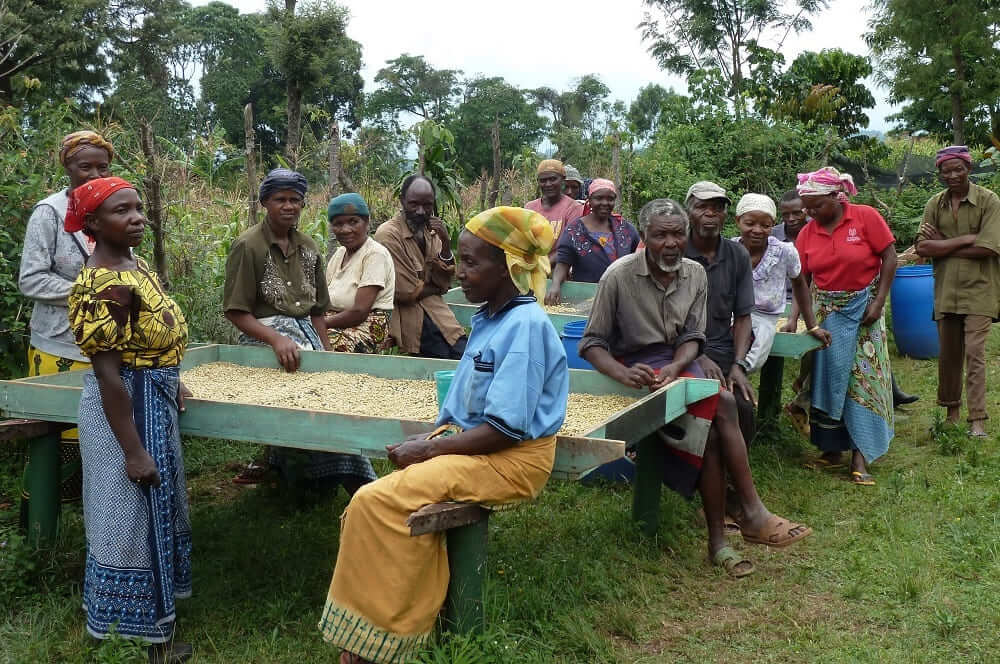
The harvest was early and so most of the picking was done. All the beans were in the final days of drying before going to the mill and then being packed to send to us in the UK.

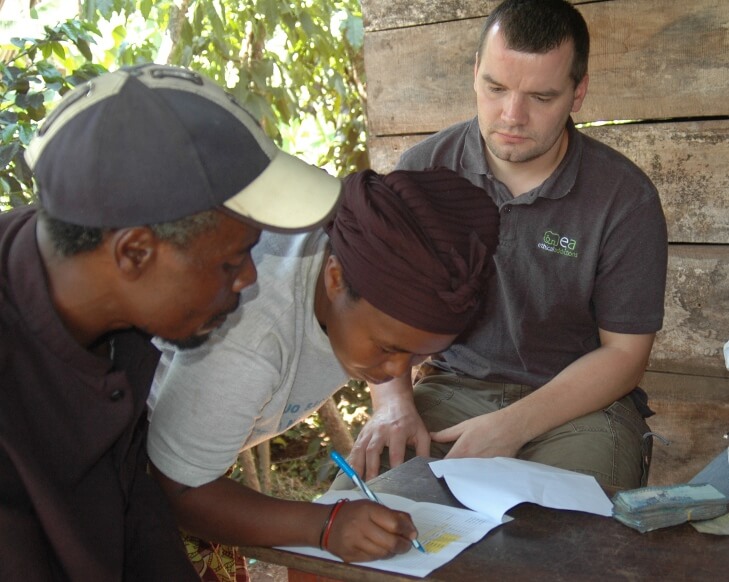
signing for payment
We made some pre-payments on the crop which is essential for smallholders given they often have no other sources of income, and no lines of credit like big companies. The money helped them to pay for food for Christmas and for education fees due early in the new year.

We looked around the village and met with the kids, taking gifts and playing silly games. We sat through long meetings and then one-by-one paid each smallholder and had them sign for their receipt which is such a huge leap forward in transparency and avoids dispute and corruption (even if it is a long process!) See the list of signatures here.
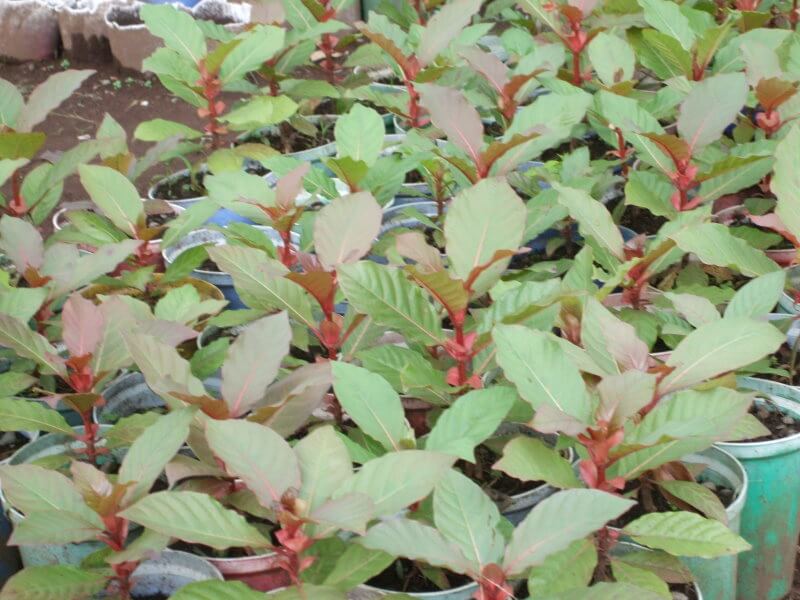
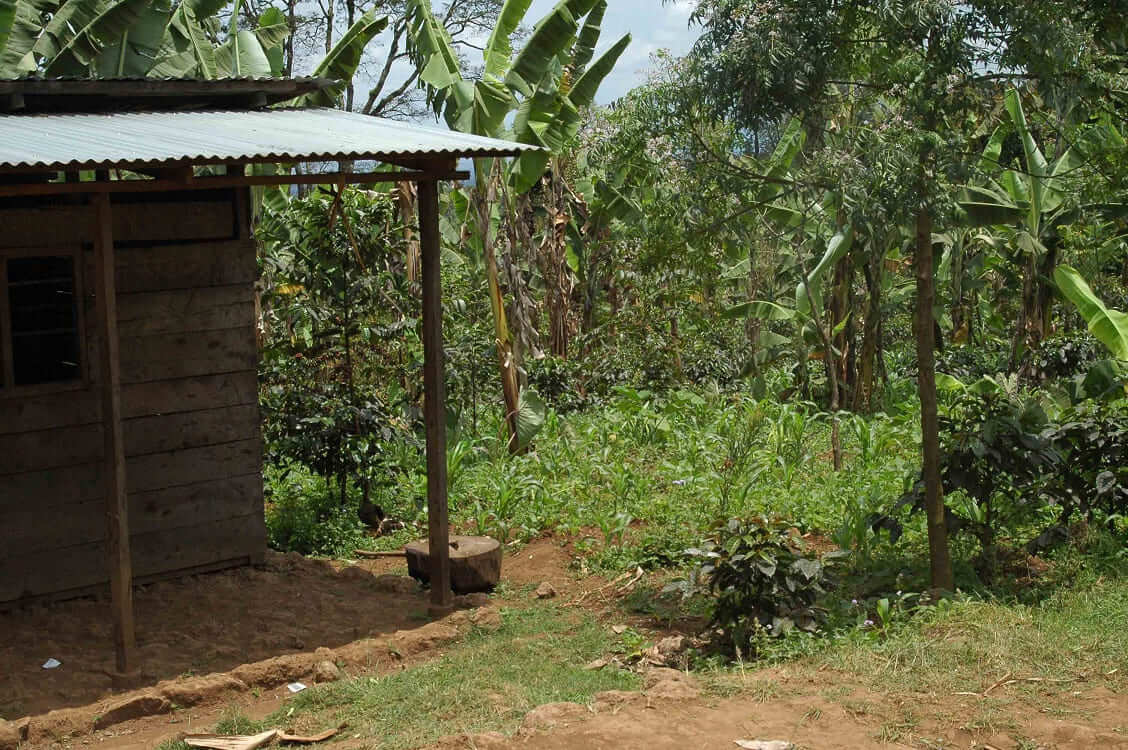
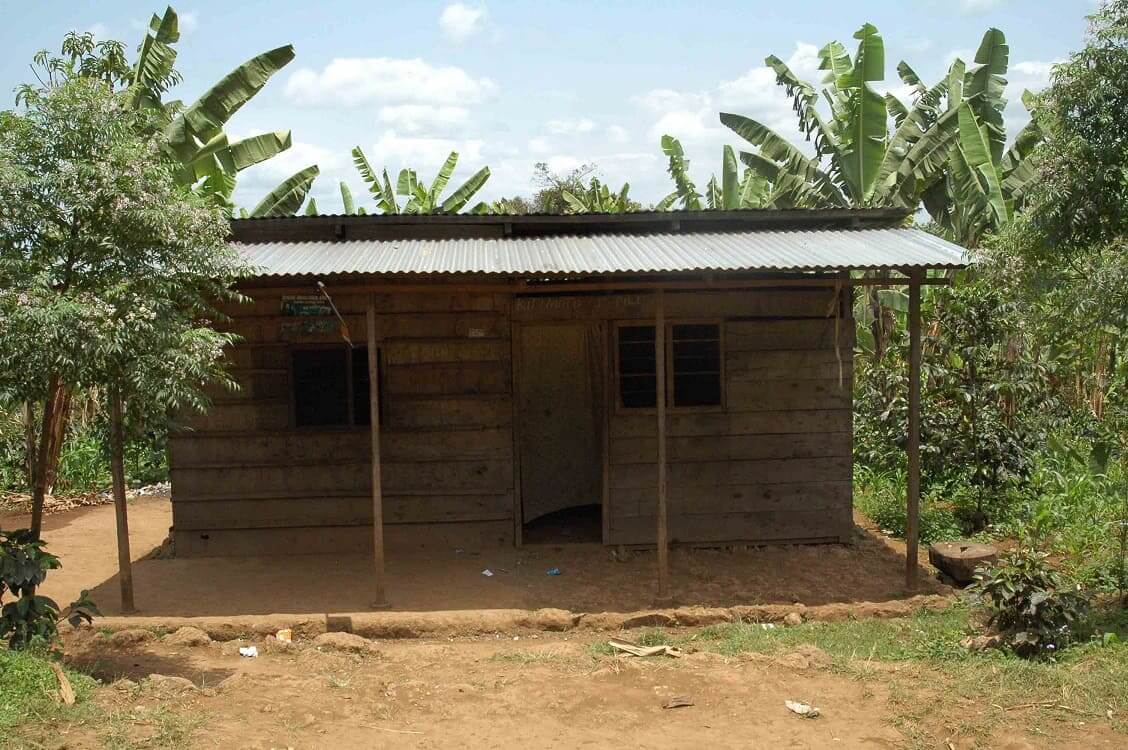
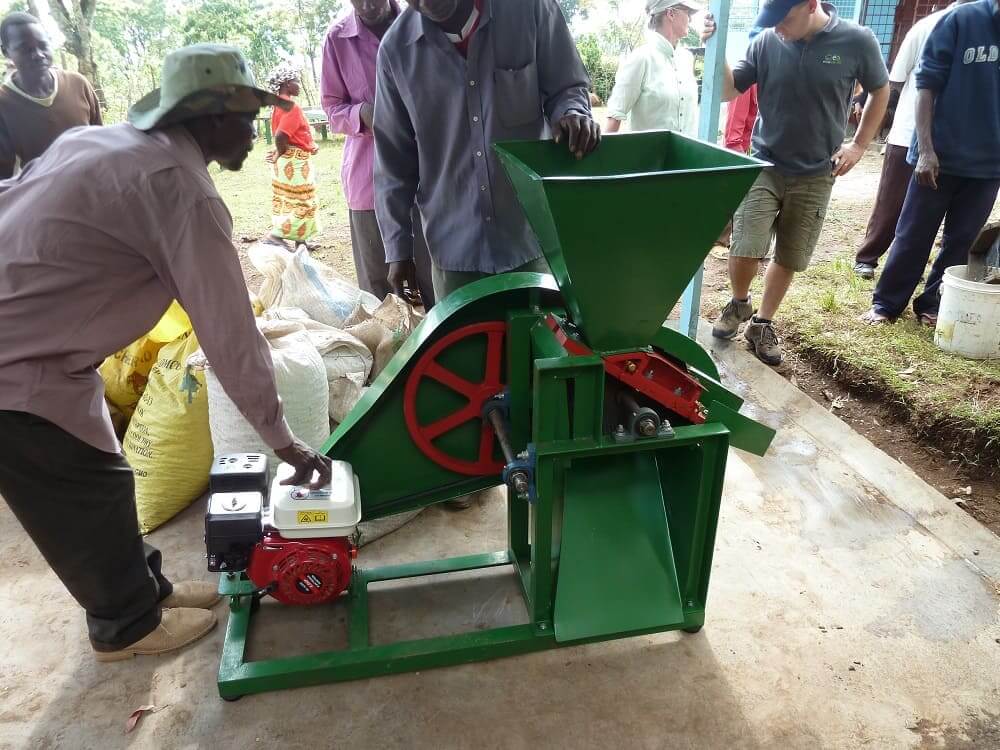
There was further encouragement with progress on tree-planting by the Community Club and a new bee project. The land that was jointly purchased for pulpery and processing is now finalised and ready for the building of a store house which EA were able to make a donation towards construction.

Great trip, and encouraging to see the real difference we get to make. The work we do is a privilege and we’ve returned thankful for the customers we have who make it all possible.
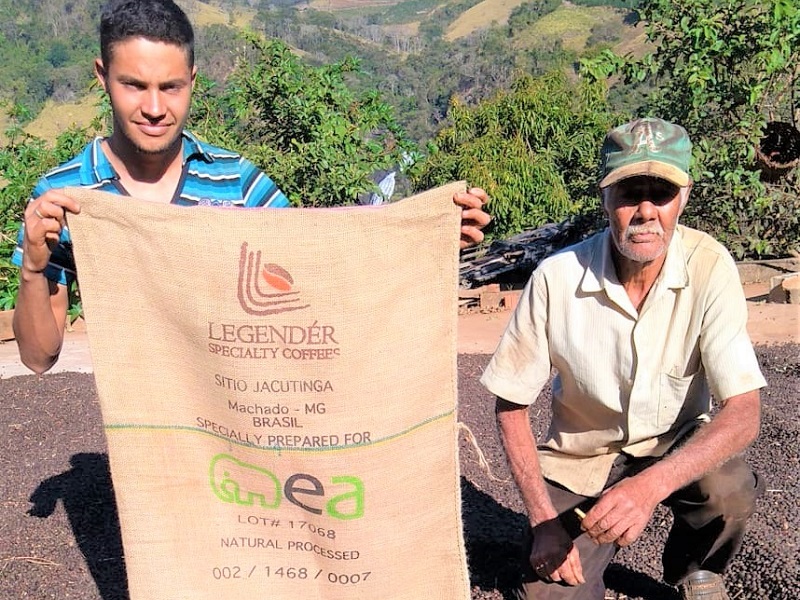

Brazil crop packed and ready to ship

Exportação Café Ecologico–Inglaterra

This was the title of the email I received last week. Simple translation/meaning – the export of eco/organic/biodiverse coffee to England.
Just had confirmation from Athos at the Gerezim Farm in Brazil that our coffee is packed and ready to ship – as many of you know this is one of our direct trade relationships and their coffee is outstanding.


New research on Fairtrade

‘Ethical Objections to Fairtrade’ by Peter Griffiths has just been published in the Journal of Business Ethics


It quotes a wide range of academic field research and information provided by Fairtrade itself. Its conclusions are:

The Fairtrade movement is a group of businesses claiming to trade ethically. The claims are evaluated, under a range of criteria derived from the Utilitarian ethic. Firstly, if aid or charity money is diverted from the very poorest people to the quite poor, or the rich, there is an increase in death and destitution. It is shown that little of the extra paid by consumers for Fairtrade reaches farmers, sometimes none. It cannot be shown that it has a positive impact on Fairtrade farmers in general, but evidence suggesting it harms others is presented. Many of the weaknesses are due to an attempt to impose political views on farmers and others.

Secondly, the unfair trading criteria require that sellers do not lie about their product, nor withhold information that might alter the decisions of a substantial proportion of buyers. It is argued that the system only can exist because of the failure of the Fairtrade industry to give the facts on what happens to the money and what it can be proved it achieves. This unfair trading compromises the reputation of charities in general.

Much of the trading may constitute the criminal offence of Unfair Trading in the EU.

Peter Griffiths says: “I have worked on food and agricultural marketing in 30 countries around the world, for governments, the EC, the World Bank, UNDP, FAO etc. Few people would claim my knowledge or experience of this subject, which is where Fairtrade operates.”

Source: http://www.griffithsspeaker.com/Fairtrade/why_fair_trade_isn.htm

You can read the full article  here: http://www.griffithsspeaker.com/Fairtrade/Ethical%20Objections%20to%20Fairtrade%20web.pdf

Orera Village buy new land for pulpery

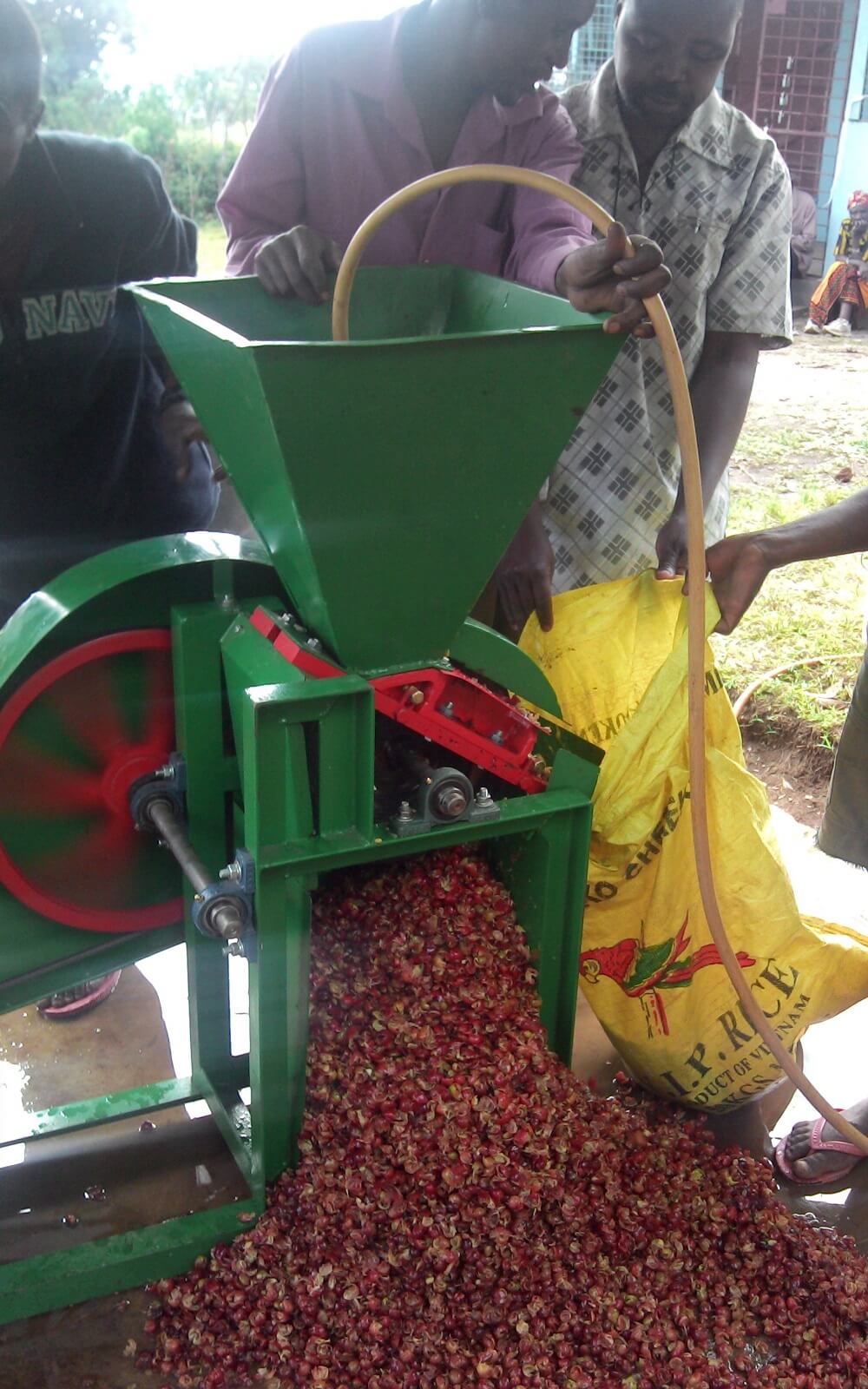
With the help of farm management from Machare and gifts from EA, the Orera Village were able to buy new land for the village nursery and for the central pulpery – further allowing them to develop their coffee production and coffee quality.

EA remain committed to working with smallholders like Orera and have bought their crop again for 2011. When it is in the UK the first batch of roasting will begin soon.

New research on fairtrade

An interesting research article on fairtrade from the Institute of Economic Affiairs.

Fairtrade Without the Froth is available in summary or in full on the IEA here

Summary

  • Fair Trade is part of the market economy and is not, in any way, in opposition to free trade. Fair Trade sales have grown enormously in the last few years.
  • Fair Trade brings certain benefits to producers, such as guaranteed prices, a social premium and the enforcement of particular labour conditions.
  • These benefits may not be as great as many of Fair Trade’s proponents imply. For example, if the market price falls below the guaranteed price level, though the guaranteed price will be paid for any Fair Trade purchases, the quantity of produce that will be bought from the producer is not guaranteed.
  • The benefits of Fair Trade also come at a cost. There is a levy on the wholesaler as well as a certification charge for producers. The certification charge starts at £1,570 in the first year – a huge sum of money for producers in the poorest countries.
  • Fair Trade does not focus on the poorest countries. Fair Trade penetration is greater in middle-income than in poor countries.
  • Criticisms of Fair Trade are also exaggerated. At its current level of penetration it is likely to do little harm in terms of distorting markets.
  • The benefits claimed by Fair Trade can also be obtained from the normal business relationships that exist between primary product producers and buyers. Attempts by proponents of Fair Trade to denigrate free trade and normal market practices are not helpful and distort realities.
  • Primary product producers will often gain much more by selling speciality brands of their product than they will from adopting the Fair Trade label.
  • Many other social labelling initiatives exist with objectives that are different from and often more transparent than those of Fair Trade. Attempts by Fair Trade to require schools, parishes and so on to stock Fair Trade goods can damage other social labelling initiatives or require very poor producers to suffer the bureaucracy and costs of obtaining multiple labels.
  • Fair Trade is not a long-term development strategy, and the model is not appropriate for all producers. It is also unable to address structural problems within trading systems. Fair Trade’s proponents need to show some humility and accept that it is a niche market designed to benefit some producers; nevertheless, it does achieve that limited objective.
Ethical Addictions Coffee Roasters
Privacy Overview

This website uses cookies so that we can provide you with the best user experience possible. Cookie information is stored in your browser and performs functions such as recognising you when you return to our website and helping our team to understand which sections of the website you find most interesting and useful.