Origin Report: Brazil

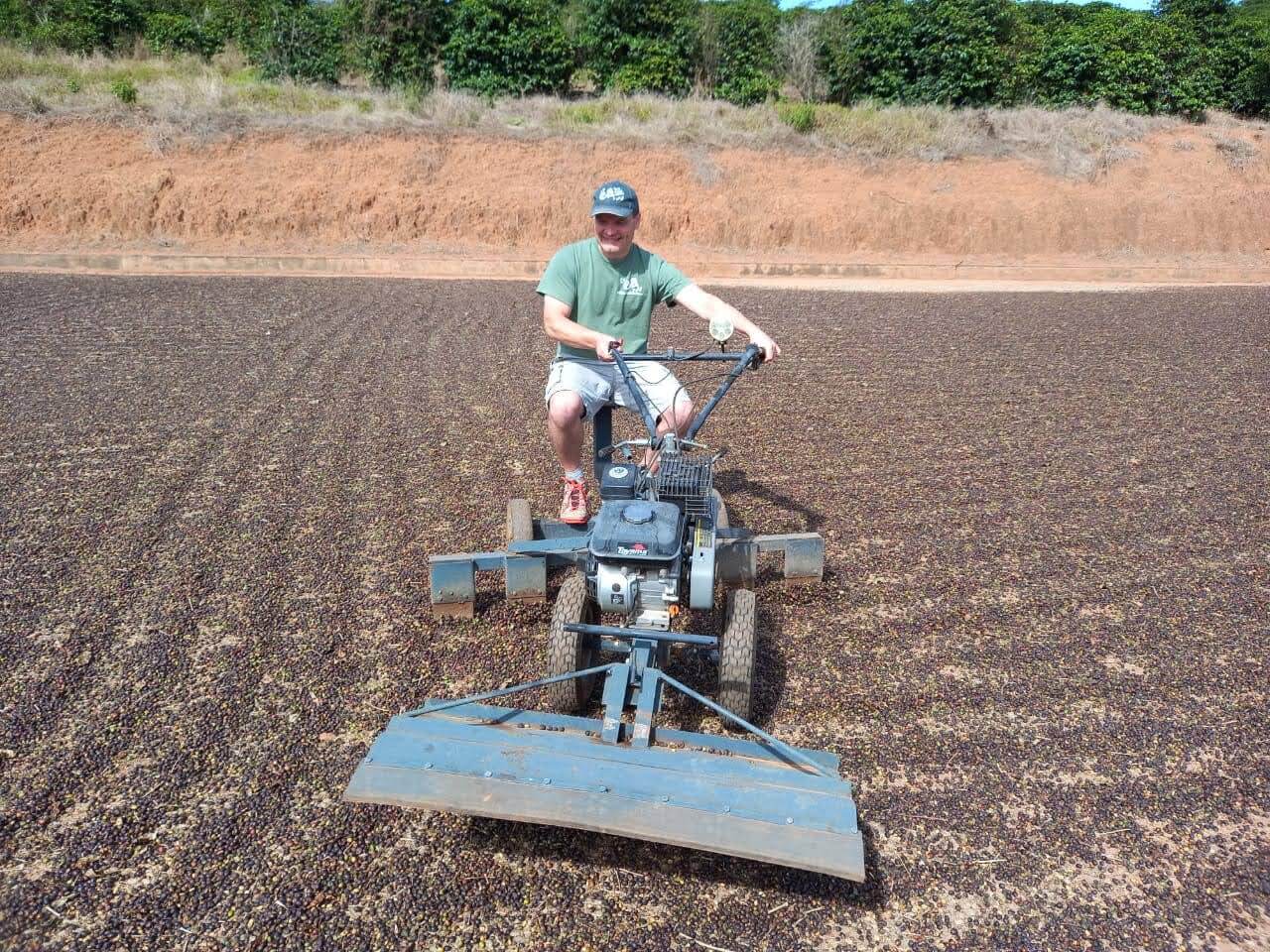


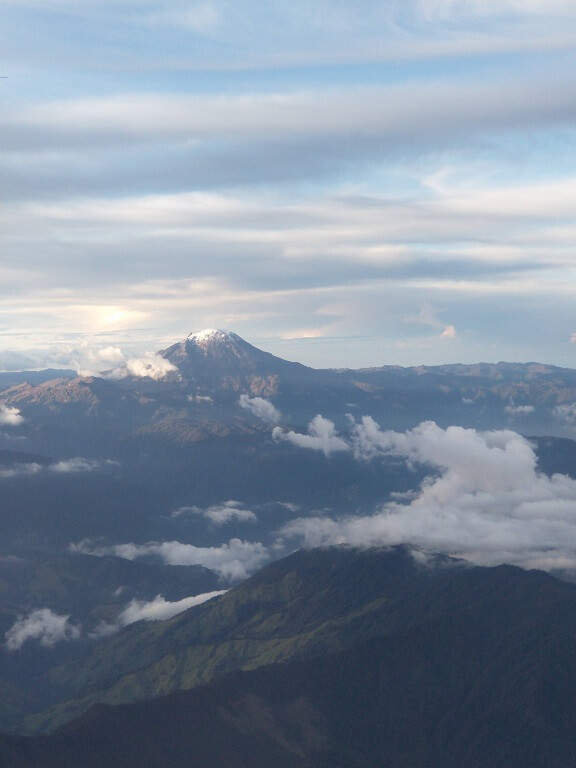
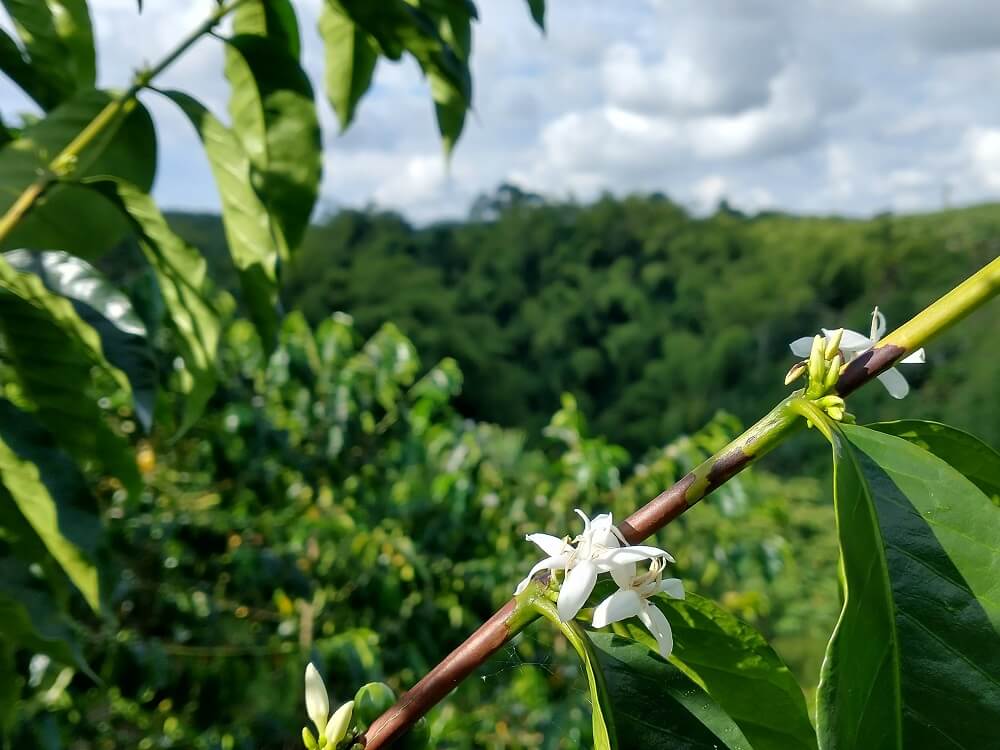
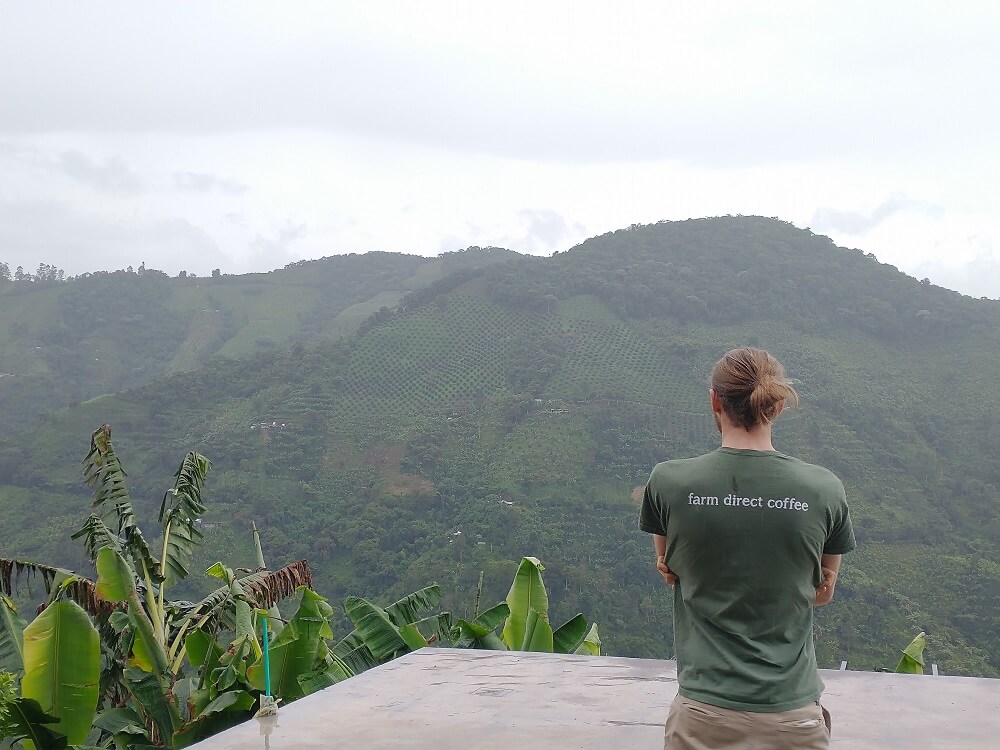
From Colombia, onto Brazil . . . . flying 6 hours across the continent; across the great Amazon rainforest, down into Sao Paulo.
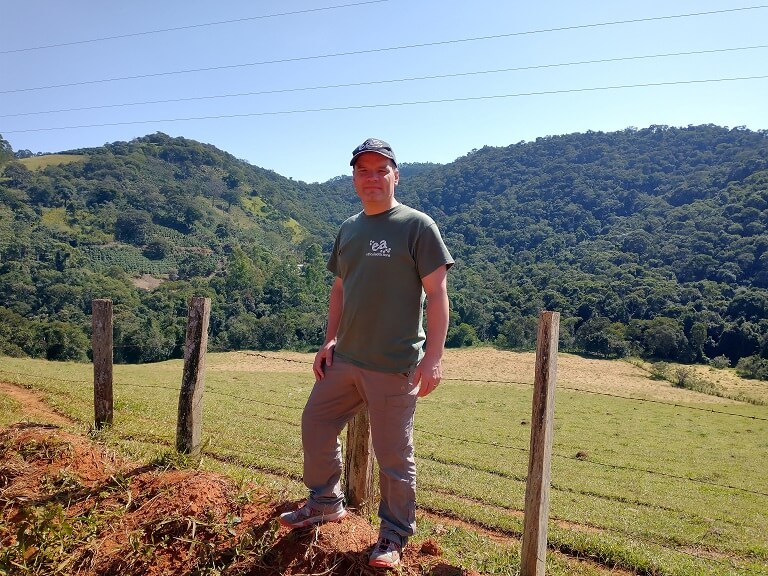
From Sao Paulo airport I’m met by Athos & Isaltino, who I’ve known for 12 years now and we spend the 4-5 hours car journey back high up into Sud de Minas reminiscing and catching up on family, business and football.
I stayed 5 days in the small town of Machado, visiting farms and farmers, and it was joyful.
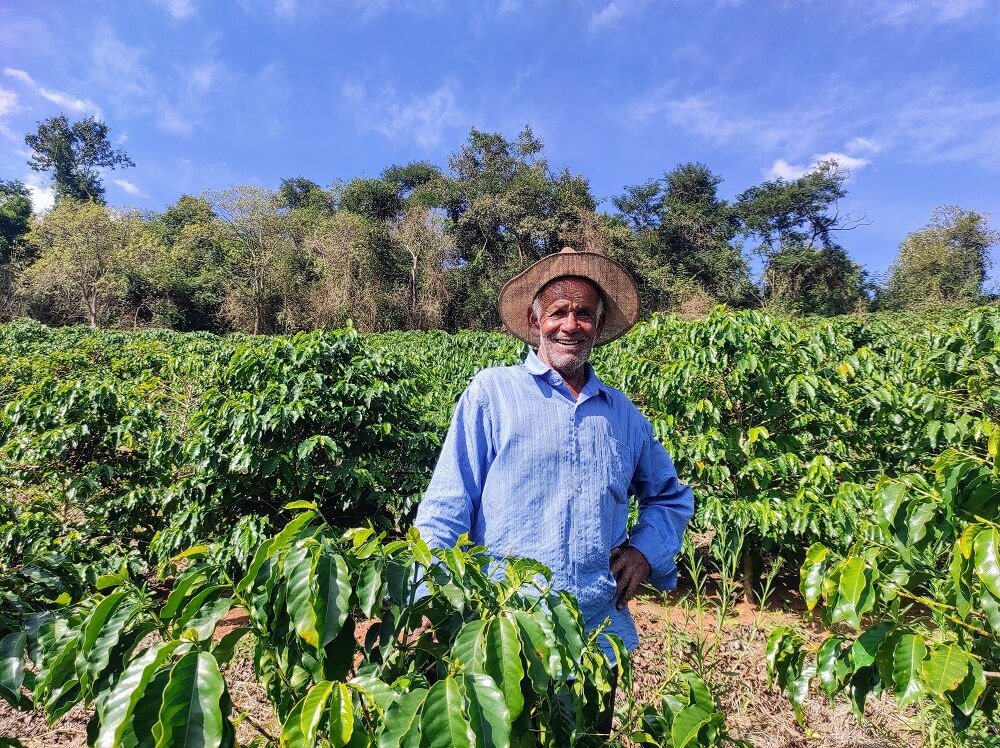
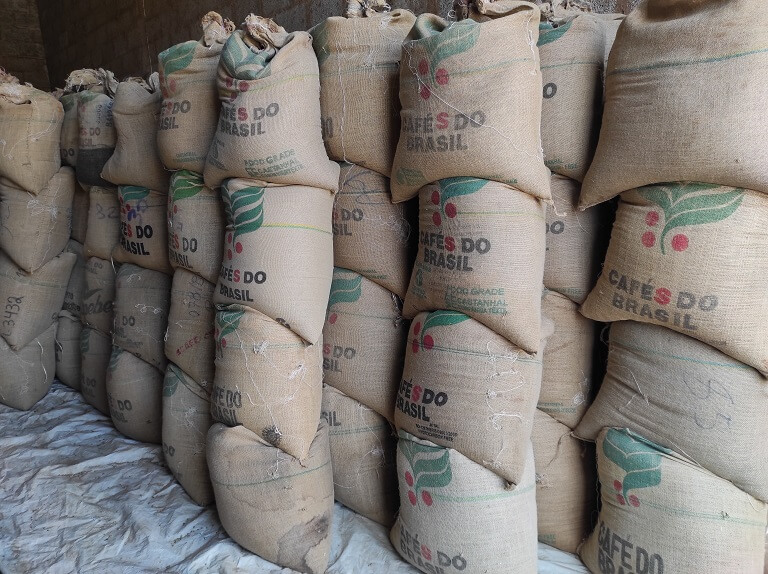
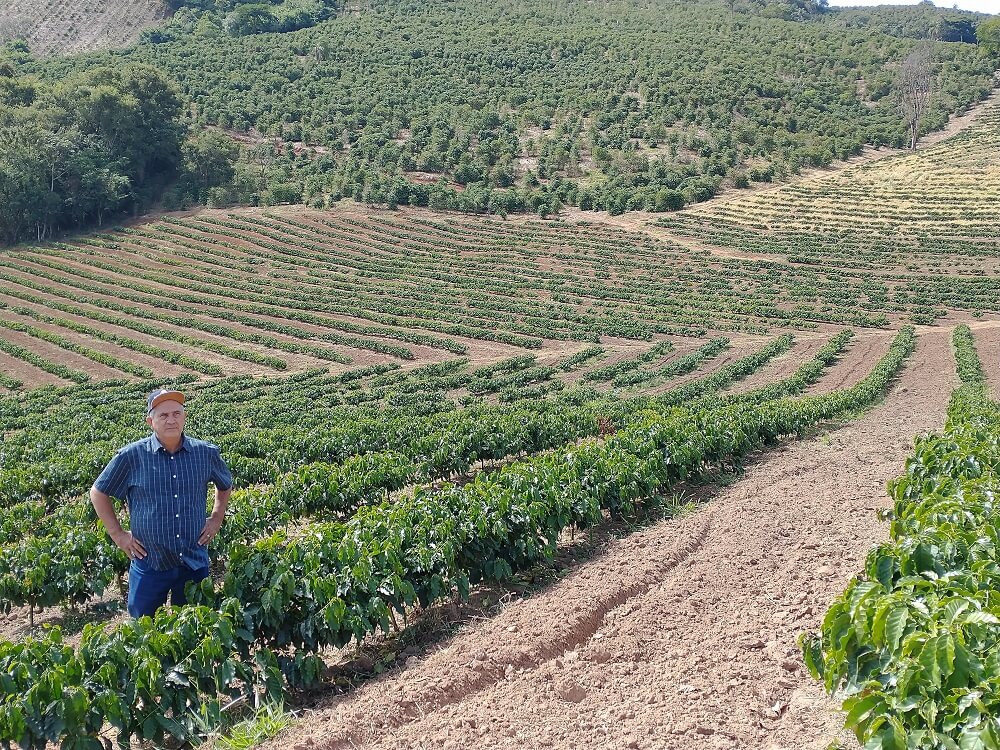
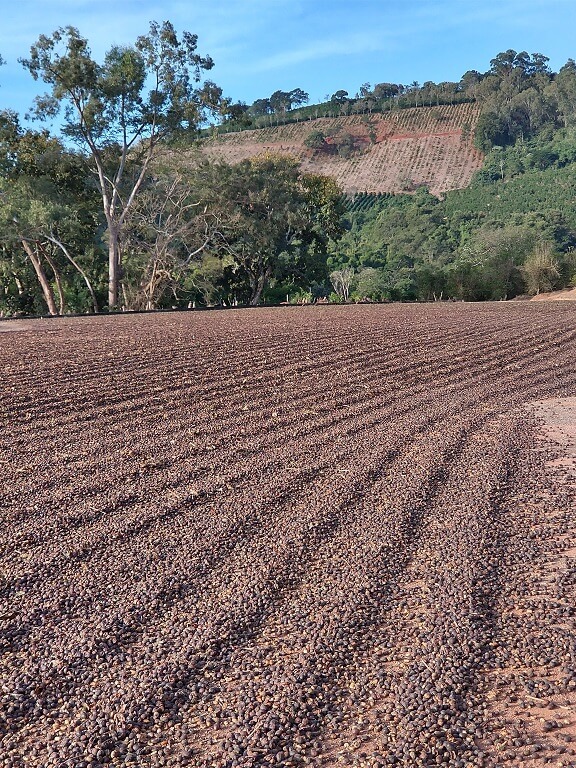
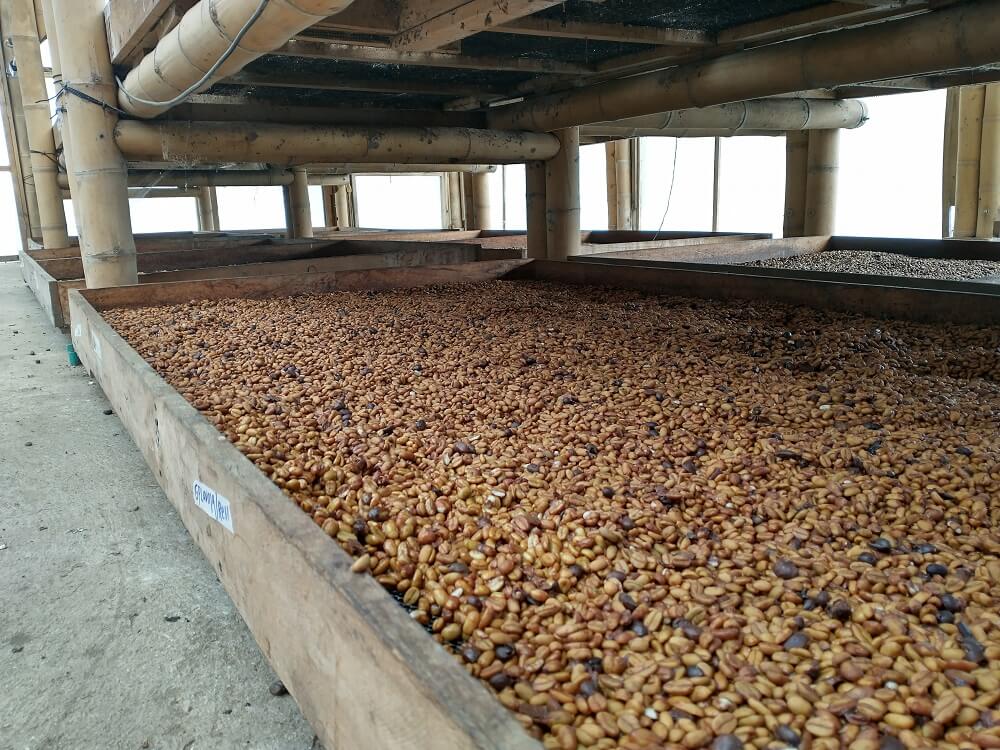
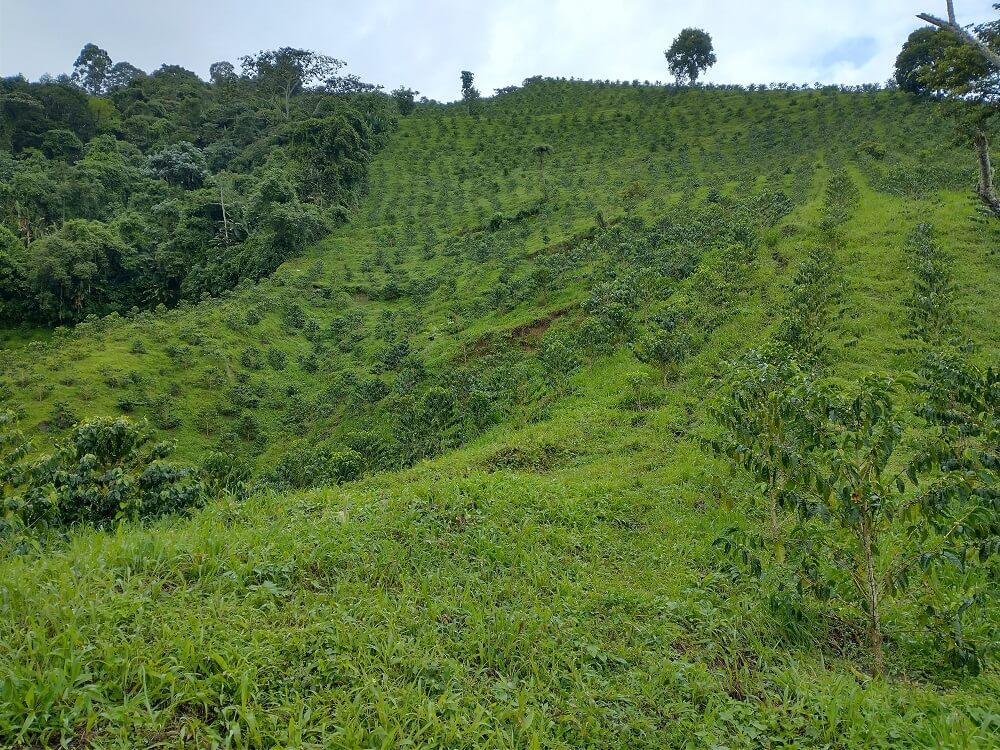
Initially with the Caixeta family on Vira Mao Fazenda (farm) – the whole family were there, we ate together, talked, laughed, walked the farm and chatted about the new exciting future they are investing in there. New varietals being planted, new trees (40,000 already!) which should give healthier larger crops in the coming years. Isaltino’s brother Ivan has moved back to live on the farm, so they will now work together to really develop the farm, improving the coffee further with new plants, better selective processing, and new dryers. An overall reignited passion and commitment to this farm, which will now provide a lot of our Brazilian coffee going forward.
It’s been a great relationship for more than decade now and it was an absolute joy to see them thriving not only financially but thriving as a close extended family.
A good crop last year means a reduced crop this year as trees recover, so questions being asked here as well as Colombia what that means for global supply and therefore coffee prices.
Staying in Sud de Minas, but moving more to the sitios (much smaller, remote farms), I linked up with Demilson and Herico from Legender, again long-term friends in this part of the world, with a wealth of coffee experience, and a passion for these rural communities and the coffee they produce.
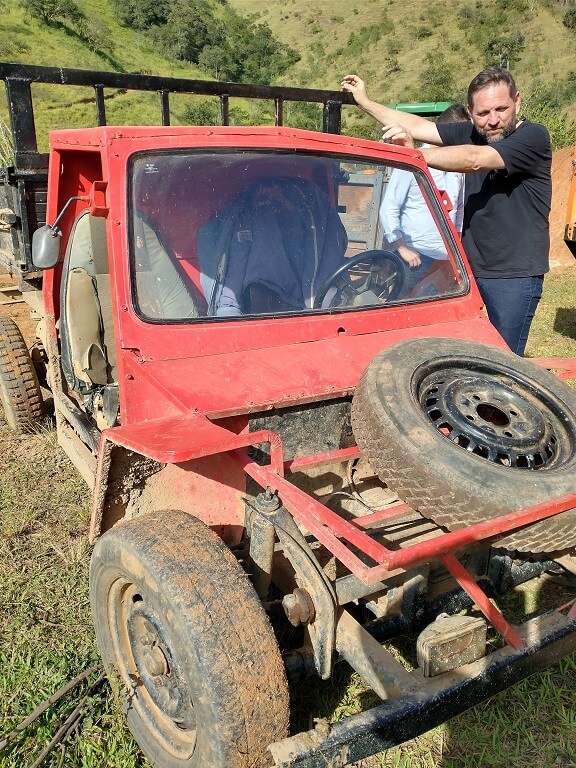
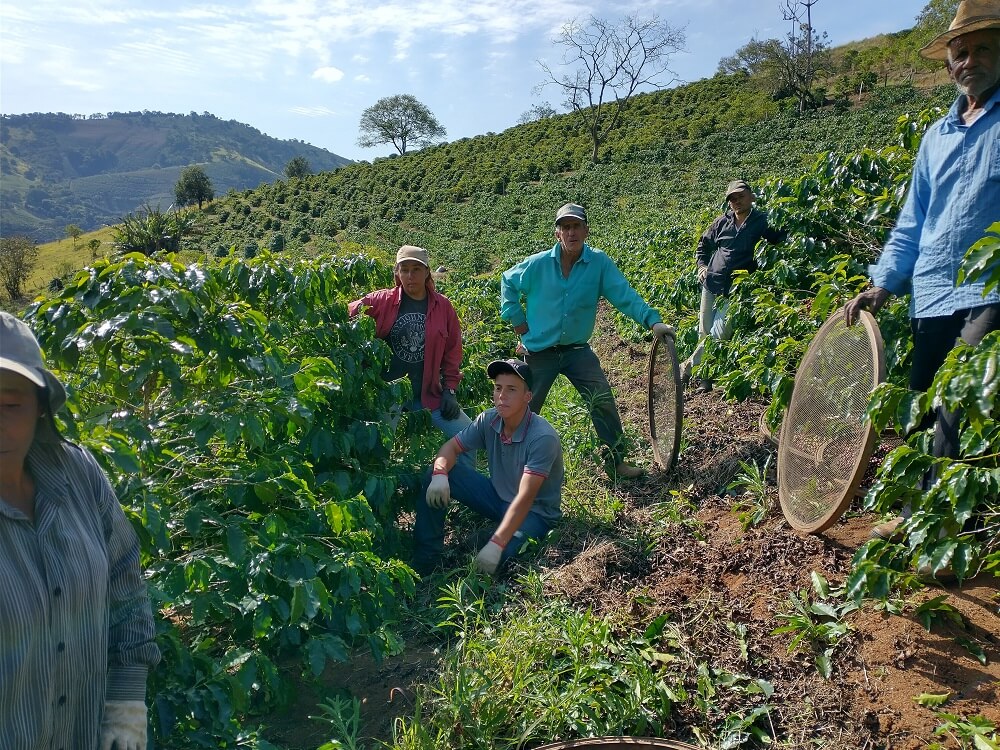
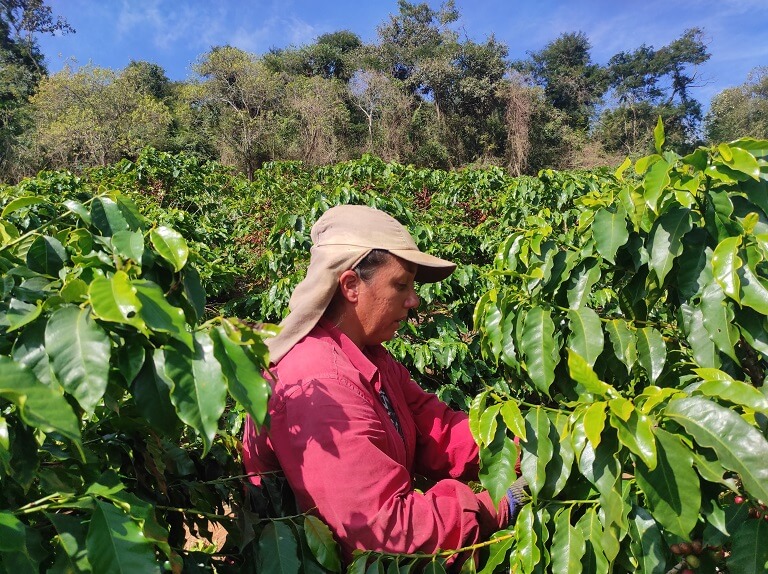
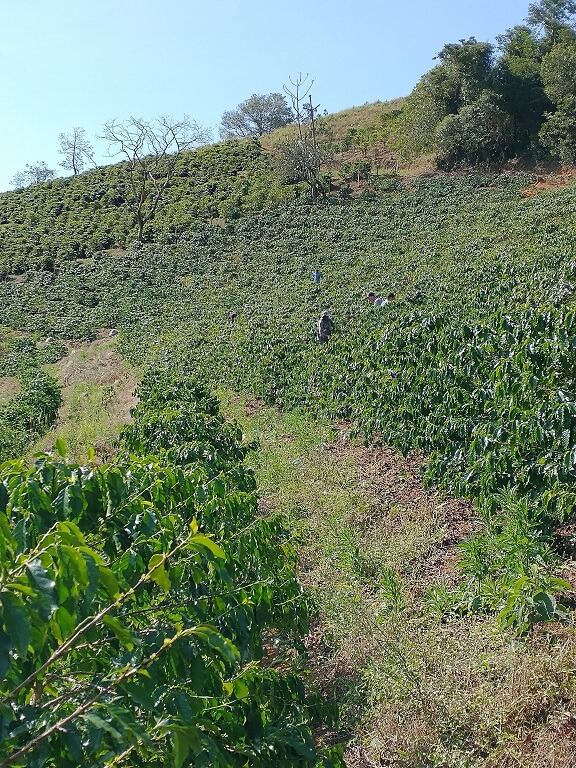
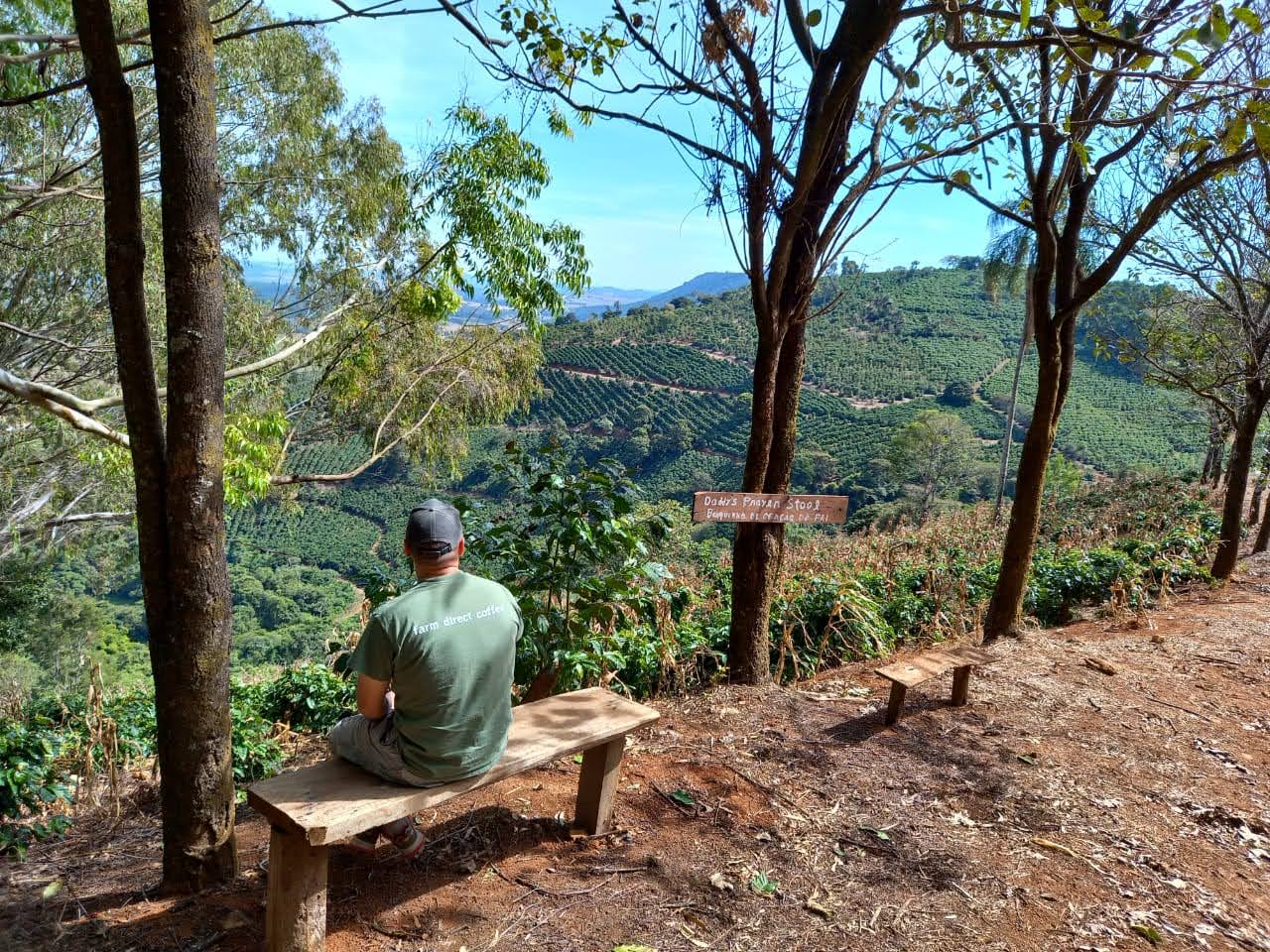
First to Jacutinga, to visit Osmar and his family up by the waterfall where we have been buying coffee for the past 5 years. But they weren’t home, so we abandon the car on the rough track and hike up 350m into the fields to find Osmar and his family picking at the start of this years harvest. After pushing through the branches and getting to them, only then are we cautioned to ‘look out for snakes!’
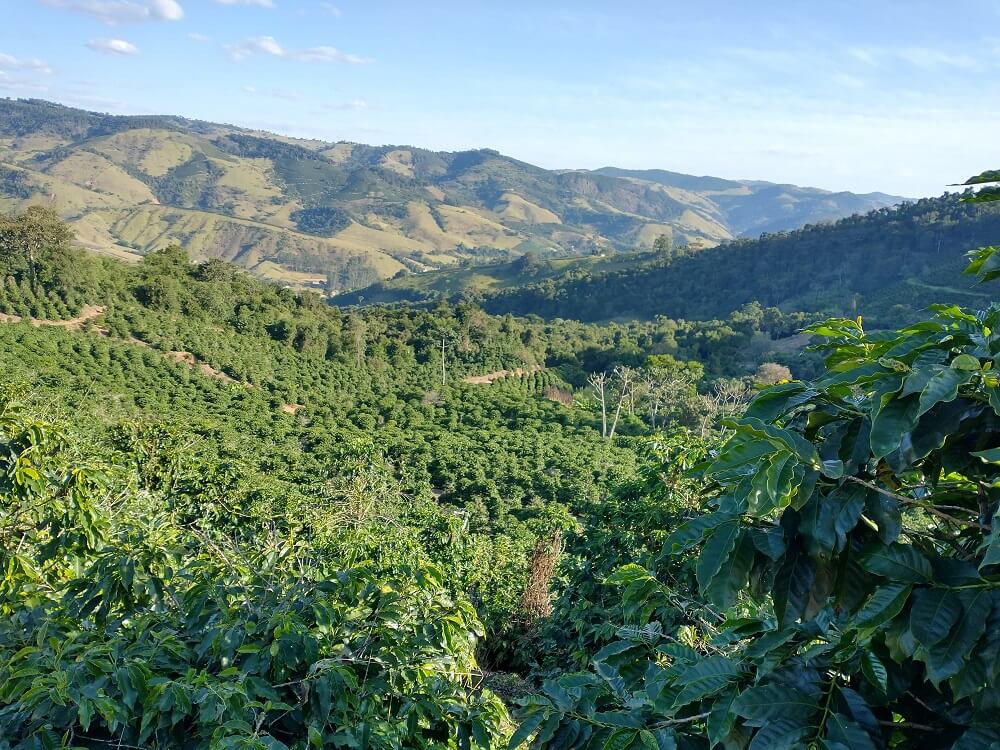
The view is incredible as always and they were so pleased to see us. I felt like we were interrupting but they were so welcoming, and even didn’t get mad when I dropped some of their picked coffee trying to sift it. We stood in that beautiful scenery telling stories, chatting, laughing, picking coffee and reaffirming our commitment to buy their coffee, whilst encouraging them in their attention to detail and quality of their work.
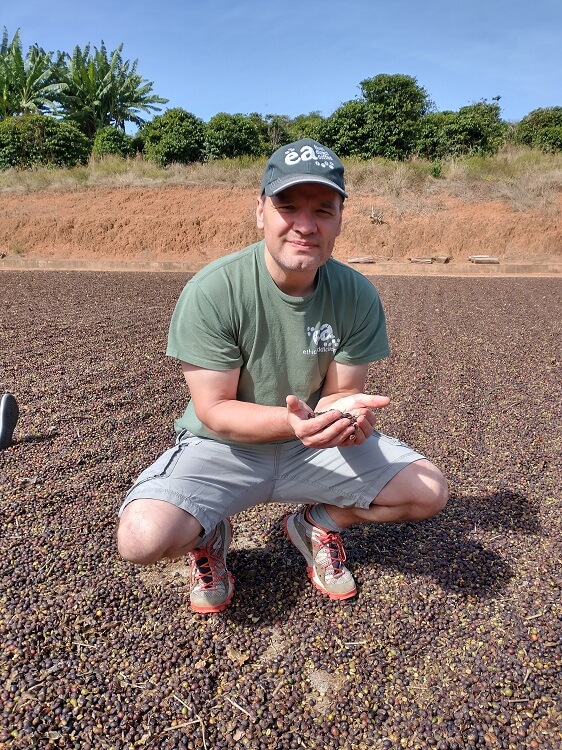
It’s hard, hot work for long hours in the fields, and they care so much about being selective and drying it well as a natural processed coffee – they deserve to be paid well and to have a sustainable future for their family. Diversification of crops will help, but maintaining long-term relationships, commitment to buy quality and fair prices are where we can play our part.
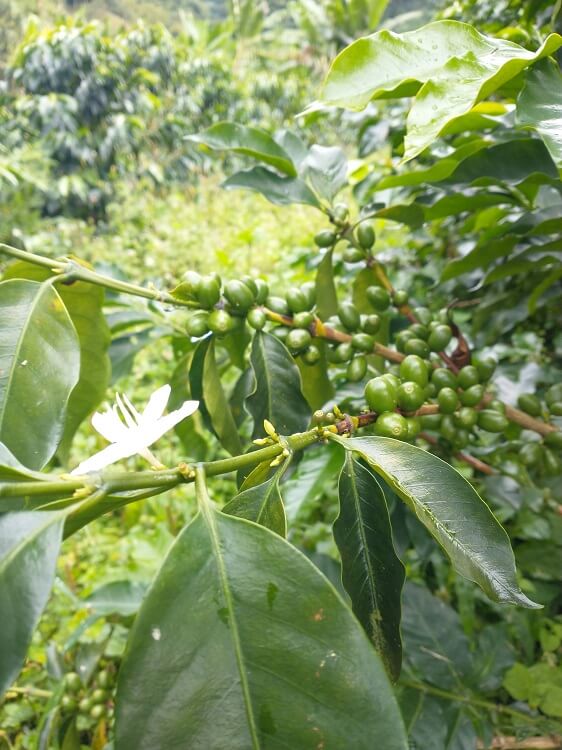
We also visited Posses community, Lavrinha and Serra Negra where we hope to be buying smaller lots in the future. Paulo, higher up at 1250masl is growing a new variety – Arara – a sweet yellow cherry offering a different flavour profile whilst also being more hardy and resistant to disease. We’re excited to cup this from the first harvest later this year.
Leopoldo lives with his grandmother, and is a creative character managing bee-hives and investing in processing on his small family farm. Ian was the first foreigner to ever visit their farm. Despite being a humbling experience for him it didn’t stop him enjoying coffee roasted traditionally over the fire, with cake.
This trip reminded us and reinforced our passion for people, for doing business
well and the highest of values, true and honest relationships; and reminded us that certain facts and knowledge can’t be gained without being there, seeing it first hand and having conversations face-to-face. Opportunities and understanding would simply be missed.


It was just so good to be back on the road again, back travelling after two years of lock-down, not allowed to travel, with limited communication overseas, especially with the smaller villages and more rural communities.
We spent some of lock-down reaching out and exploring new potential connections in new origins for us. So back on a plane in May our first stop was in Colombia, one of the most famous origins for coffee, of course, incredible countryside, super-high altitude (which is good for Arabica coffee) and generations of vast experience in coffee farming.
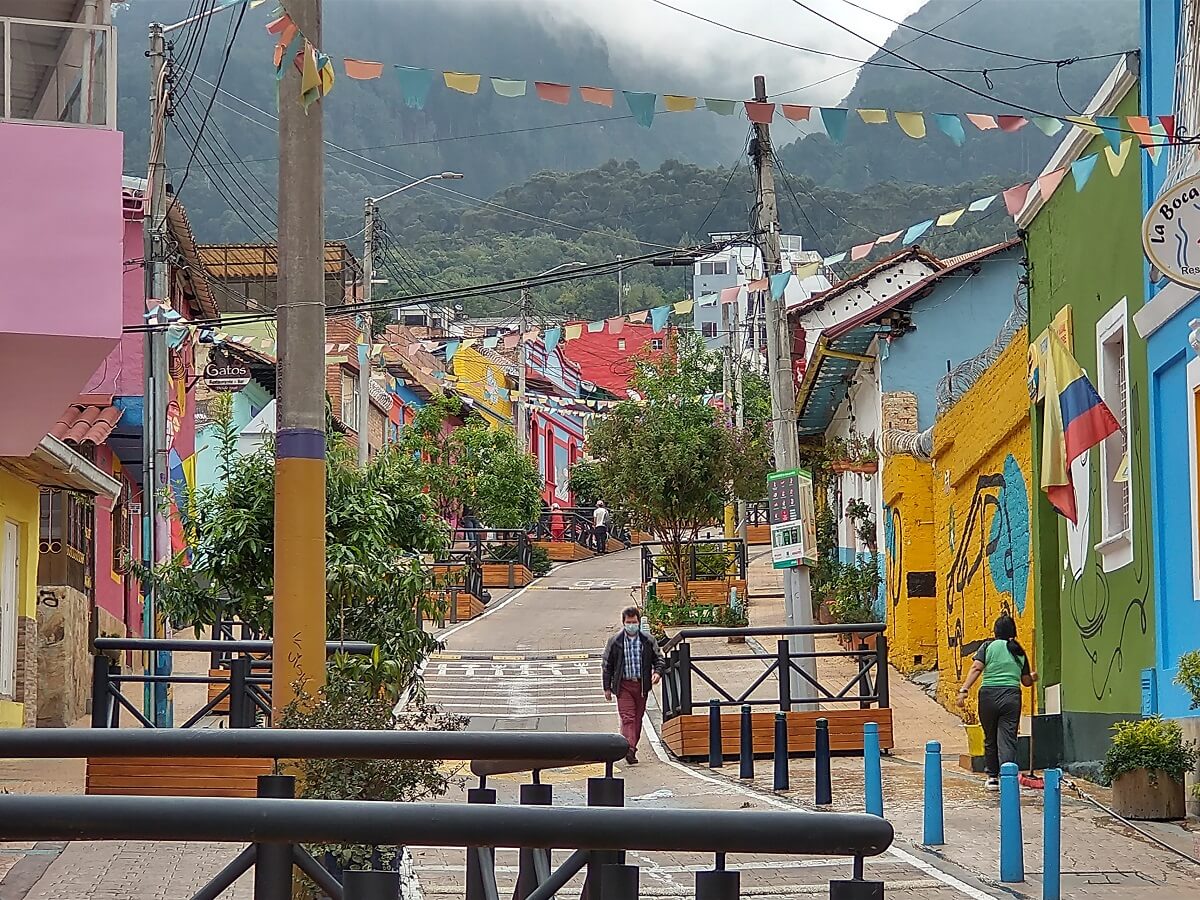
We met with Angela, a farmer only an hour or so from the capital, Bogotá, and then flew to Armenia, Quindio, a well-known region of coffee in the country, to spend time with Felipe and his family, who not only farm themselves, but also work regionally with dozens of small family fincas (farms) helping them improve their coffee and have a better route to market, reaping higher rewards for their hard work.
We had the privilege of drinking coffee as high as 2,000masl with Cesar and his family after a hike (‘hike’: slip/slide/fall in torrential rain!) around his farm to see different varietals and his organic methods of growing on very steep slopes in the middle of wild rainforests and beautiful scenery as far as the eye could see. They were a beautiful family, living a simple life, but a thankful life – a real highlight of the trip.
We also got to cup and experience some of the new processes of fermentation and infusions that some farmers are experimenting with to try and draw out different flavours, acidity and more to. This was good to understand more fully by seeing these processes first-hand, but also to cup so many different varietals and fermentations and make comparisons. Particularly fruit flavours from the natural coffee is accented through fermentation.
But Colombia washed coffees are well-known, and appreciated worldwide, so we also got to cup plenty of these with smooth notes of sweet chocolate, and caramel.


But of course, as you know for EA it is not just about how good the coffee is, it’s the story behind it, the family who grow it, their care for the environment, how they farm, and further how we can help in any way, obviously paying well for the care and hard work, but also looking to invest in developing their farm or in social projects in the wider community. So these were the opportunities we were seeking out – who should we be working with long-term that will match our ethos to marry exceptional coffee with care for the environment and improving lives in coffee growing communities.
We believe business can be such a powerful tool for good, to help everyone along the trading chain to not only live a better standard of living, but a more sustainable improved lifestyle.
Two stand-out moments for Jack & Ian were meeting with Angela and the conneciton made of matched values and passions that we now hope will develop into tangible business long-term, and impact with farmers. And secondly visitng Finca Esmerelda, with Ceasar and his family – thankful every day they wake up in the surroundings they live in and the people they have around them. Just thankful for all they have.
We have nothing nailed-down as a direct trade connection (yet) but really positive options, that match for us, and we’ll be exploring these for a permanent, sustainable model of trade for good coffee and social investment over the next few months. It’ll probably need another trip to secure it (oh well!). Lots of options, lots to be decided.
Of course we saw the farm, Casa Negra, where our Colombian coffee currently comes from. And moving forward in the short-term we will be working through partners to bring excellent Colombian coffee to our roastery for customers to enjoy, and some guests from small family farms that offer a taste of Colombia and the variety it has to offer.
We press ahead with EA’s passion and model to work as directly as possible with farmers and communities where we can secure great coffee and maximum impact by doing good business this way.
We left tired and happy, reflecting on the value of relationships in our global community, but also how precarious our environment is. How precarious the coffee world is and prices so volatile from crop yields, environment and weather, before global crises, demand, transport complications, currency and market changes even get involved. More on that later.
On to Brazil . . .

That summer sun is right around the corner and we’re sure you’re thinking about those potential summer drinks!
With the help of Sweetbird & Zuma, we have curated five drinks we think your customers will love, with easy to follow how to’s.
We’ve got five cold drink ideas for you to try.


In their most recent brochure, Sweetbird say that Cafe culture is continuing to flourish on the high street, with 80% of people who visit coffee shops doing so at least once a week!
All the more reason to be experimenting with new drinks, and keeping up with your customers needs + wants!
To see the full brochure click on the button below.

The art of brewing proper coffee is an enjoyable experience and how you brew does make a difference to the taste. In fact the same coffee brewed by different methods can seem almost unrecognisable to one another as they extract and emphasise different flavour notes. There are entire websites and youtube channels devoted to the subject but when you are starting out, knowing what advice to listen to can feel overwhelming. That’s why we decided to strip it all back to basics and create this journal post where we will go through the different ways to brew coffee and the type of flavours you can expect.
Coffee beans contain caffeine, natural oils and flavours within them. Depending on how much of those oils your brewing method lets through its filter will change the taste of your coffee.
Tip #1: This should go without saying, but step one, of any brewing process is to purchase high quality coffee. Low quality coffee will always taste bad, no matter how you brew it!
Tip #2: Grind your own beans. This is not only part of the overall experience, but it ensures freshness and allows for the correct grind for your chosen brewing method. The size of grind dramatically affects the brew method and flavour profile each time.
Tip #3: Water temperature. Unlike making tea where using boiling water is ideal, coffee actually requires a slightly cooler temperature (about 92 degrees). When too hot the boiling water can burn the coffee grounds, destroying the oils and flavours in the beans. The simple solution is to wait a minute after boiling the kettle before using.
The cafetière or French press is the most popular way of making coffee at home in the UK. It’s fairly simple to use and you can buy a basic cafetière for about £10. The coffee is brewed by immersing it in water for a few minutes. This method allows more of the strong flavour to come through giving you a fuller, stronger and rich bodied taste.
The minor point for this method is that there will always be a small amount of coffee dregs in the bottom of your cup. However, if you use the Planetary Design Bru-Stop, the coffee dregs issue is greatly reduced.
Get a cafetière if … you want an affordable and simple way to make coffee with full flavour.
EA recommends: Grizzly Bear Blend

The stove pot is one of the oldest methods of brewing coffee and is still used today for people who love ‘espresso’ coffee without the need of an espresso machine. They work by forcing boiling water upwards through the coffee and into a separate compartment.
Get a stove top if you … love the old school way of brewing and love your coffee rich, thick and creamy.
EA recommends: Espresso Duo

Named because you literally pour water over the ground coffee to extract the flavour. This is a great introduction to drinking better coffee and works well if you are making a single cup for yourself. If making for two or more, you can use a chemex (traditionally made of glass).
This process takes out more of the oils which means you get a smoother cup of coffee. Sometimes described as a sweeter cup of coffee with far less bitterness.
The other great thing about this process is that it’s easy to clean up. The ground coffee stays in the filter and you can place it straight into your food waste.
Get a pour-over if you … love a smoother cup of coffee and a mess free, easy clean up.
EA recommends: Brazil Jacutinga

In some ways the Aeropress is like a pour over, but it is unique enough that we have given it its own separate category. This is a very popular brewing tool among the coffee nerds … and for good reason!
The Aeropress uses air pressure to push coffee through the filter producing a smooth and rich flavour. Like the V60, the coffee is not so strong due to lower levels of caffeine.
There is also another way of brewing with the Aeropress called the inverted method, which works in a similar way to a cafetiere and allows more caffeine into your cup, giving you a stronger taste.
Get an aeropress if you … want a quick and convenient way of making coffee that is easy to take to work or on holiday.
EA recommends: Mountain Top Mweka Villages

For those lucky enough to have an espresso machine at home this gives you a range of options for different drinks, and a whole other extraction experience from the coffee beans. With the water at a high pressure forced through much finer ground coffee than most other brew methods you get strength, boldness and a rich crema full of aromatic flavour.
This is then ideal for your base, giving you a punchy espresso base to enjoy on its own or with steamed milk depending on your drink of choice. You need a bold bean to cut through the milk and ensure you still get plenty of flavour in the cup.
Get an espresso machine if you … want the cafe experience at home!
EA recommends: World Select Espresso

❛❛




❜❜
The best thing about brewing high quality coffee is that you can brew it however you want and nobody can tell you you’re wrong! There is definitely a level of enjoyment that comes from not only drinking great quality coffee but the ritual of brewing it the way you like it.
Part of the fun of starting out is experimenting with your brewing process to find the right system for you and then continuing to experiment with different techniques and coffees to discover new flavours.
When brewing high grade arabica beans, you can make it as simple or as complicated as you want. If you are on a tight budget or just starting out, using a regular kettle and our pre-ground coffee will be significantly better than instant or cheaper filter coffee.
However, as you get into the groove of making coffee and want to take it to another level then any coffee aficionado will tell you, that the most important tool to invest in, is a grinder.
In our next journal post, we will look at coffee grinders and why you should consider investing in one.
From March 14, retailers must check that it is you making the payment before they take money from your card as new changes to bank card transactions come into force.
The changes come as part of the new Financial Conduct Authority (FCA) fraud-prevention rules, known as ‘Strong Customer Authentication (SCA).
But don’t worry, we’ve planned ahead and it’s already in place on our website, in collaboration with our card processor. You may have even already noticed we are using ‘3D Secure’ (3DS) technology to verify it’s you using the card when you’re buying things online. 3DS is a standard many card providers are now using to reduce e-commerce fraud.
For the vast majority of customers buying coffee on our website there will be no issues at all, the transaction will go ahead exactly as before although some customers will face an added step to the checkout process when buying online.
If there is a problem and security information does not match then the payment could be declined if the transaction cannot be verified as being genuine.
Any problems online, questions or concerns just get in touch.
01452 308774
hello@eacoffee.co.uk
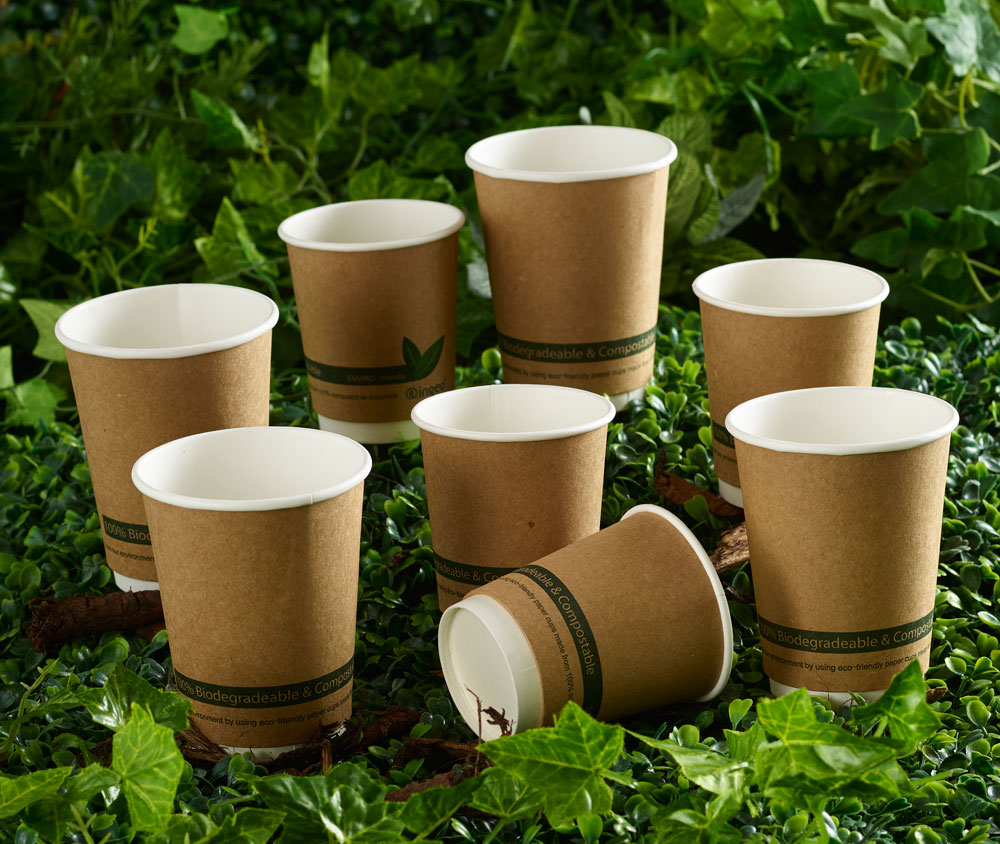
Due to ongoing increases in material and operational costs that have been passed on to us, we are again left with no alternative but to make price rises on certain products.
We are really frustrated by this, but equally sympathetic given our own firsthand knowledge of the shipping and logistics issues globally at the moment we have to navigate with coffee.
So, regrettably there are more price rises this month on takeaway items. Please note we are holding our margin and simply passing on increases from suppliers. We have searched the market for other suppliers and negotiated prices so again be assured we’re doing all we can for you.
We also want to assure you that both us and our cup suppliers have every intention to reduce prices again as soon as possible.
In the meantime it does represent a great opportunity to encourage customers to use reusable cups and/or follow the many coffee shops that are now charging a premium on menu price for a disposable cup.
A perfect storm of global and local issues along with uncertainty have forced a price increase as of December 1st, 2021.
We do not believe in rising prices for the sake of it, in fact we haven’t done any coffee price rises since 2017.
Everyone is aware from news stories week-in-week-out that there are significant on-going problems with our supply chains in the UK, including delays on imported goods and huge price increases on shipping and shipping containers. Coupled with growing demand this has forced prices up sharply.
You have probably already had price increases and whilst until now we have been able to absorb most of them, particularly coffee prices since we buy our coffee in such a unique way our crops are secure for a whole year and not price sensitive month-by-month.
However, with the new crops due in now and shipping costs particularly very high (container prices are up about six-fold!) we unfortunately have to face the reality of passing some of these increasing costs on.
The price of coffee, packaging and almost everything has risen rapidly since the Coronavirus pandemic. In addition, Brazil, the largest world producer of coffee had a late frost and therefore destroying a significant proportion of the crop, in turn affecting coffee prices globally. It is well documented that, as the climate crisis worsens, extreme weather occurrences will only get more frequent, and their effects will be far-reaching.
More locally here in the UK, driver shortages, gas prices, wages and inflation have led to increased roasting, packing and shipping costs too.
As such coffee prices need to go up to cover these rising costs. Other items are simply price increases passed on from our suppliers of cups, hot chocolate, tea, etc.
We are committed to close working relationships with all of you, and value not only your business but your friendship too. As such this is a very reluctant move by us, but please note we haven’t increased coffee prices since 2017, and even these price increases in a coffee shop will represent only about 2p per cup of coffee, something we hope you can easily offset by modest menu price changes yourselves.
UPDATE Jan 2022: BBC News Article on inflation
We won! 🏆🍾😁
All will be official in November but we are allowed to tell you that we received this email recently:
On behalf of LUXlife, I am writing to inform you that the results of the 6th annual Food & Drink Awards have been finalised!
It is an absolute pleasure to confirm that EA Coffee has been awarded:
Coffee Distributors of the Year 2021 – South West England
Needless to say we’re pretty proud of ourselves.
Selection Process
As in previous years, LUXlife has endeavoured to ensure that only the most deserving are recognised. All nominees were judged on their merits with assessment centred around an extensive evaluation of skills and services on offer.
LUXlife’s merit driven approach has brought us much commendation throughout its use and allows our team to identify those most dedicated to demonstrating expertise and an unwavering commitment to excellence within their field!
We’ve been working with Zuma and Sweetbird for years and love what they do. They consistently produce the highest quality products and are always full of great ideas. They recently released their new catalogue which is chock full of interesting news and great recipes.
In this post we’ve curated the information that we think is most useful to you. You can read the catalogue for yourself by clicking on the link at the bottom of this post.
Have you heard of these expressions before?
‘Flexitarian’ – people choosing to consume less meat without fully committing to a vegetarian only diet.
‘Climatarian’ – eating inspired by affecting the environment as little as possible.
‘LOHAS Lifestyles of Health & Sustainability’ – People choosing to live a healthy lifestyle not just for themselves but for the planet as well.
More than ever before, consumers care about the origin of their food and the ethical and environmental way it was grown. As you know, Ethical Addictions Coffee is completely transparent about how we source our coffee and our impact on the environment as well as the farmers we work with.
More and more people are choosing to reduce their alcohol intake so offering non-alcoholic options is a great way to encourage people.
The pandemic has led some to think back to simpler times with consumers seeking childhood favourite flavours in their food and drink which gives them that warm and nostalgic feeling. We are loving the gingerbread and mint flavours at the moment.
Over the last few years pumpkin spice syrup has become very popular throughout autumn and can be used for more than just warming up that latte.
Here’s three other drinks that use Pumpkin Spice Syrup, and are perfect for Christmas shoppers in need of a pick me up:
Sweetbird has finally blessed us with their 250ml home syrups in glass bottles! They have chosen their four most popular flavours to start with which are Caramel, Vanilla, Hazelnut and Gingerbread – these are great additions to sell in your shop, either on their own or as part of a gift set or hamper – so many options!
After a year and a half of lockdowns and many people not able to see family over the Christmas holidays, Christmas 2021 is going to be HUGE! People will be eager to make the most of the festive season. This could be a great opportunity to take advantage of a busy time, get creative and use existing stock to create some fun creative holiday themed drinks. Ideas on page 80
If you prefer a more visual medium, Beyond the Bean who make Sweetbird and Zuma produces, have recently released a 40 minute video where they talk about latest trends and talk you through a few new recipe ideas.
To see the full articles and get some great recipe ideas, you can download the full Winter brochure in pdf format here 📕.
With the word “ethical” in our company name you won’t be surprised to hear that we are often asked what ethics means to us; why we do what we do; how we do it; and what makes us different to others. Particularly being in the coffee world which in the past has had a notoriously bad reputation for the way it’s treated coffee growers and the environment.
Our journey began in 2006 with a vision to sell high quality arabica in the UK at an affordable price whilst offering fantastic customer service. We also wanted to pay farmers what their coffee was worth and throughout the entire process be environmentally friendly. By our own admission, we set the bar high!
We made it a priority to visit the coffee farms to not only see how the coffee was grown and processed, but to meet the farmers, giving us an understanding of what their lives were really like. When we got on the ground with small farmers, particularly in East Africa, we realised that if we worked through organisations like the Fairtrade Foundation then we wouldn’t be able to meet our own high standards. Although Fairtrade can be good we knew we could do more by working with the poorest farmers directly. We quickly realised that if we were going to work with these communities and do right by them, then we would need to work directly with them. We were determined to do the right thing, not just be seen to do the right thing.
Fast forward to 2021 and it’s a very different market to 15 years ago. More consumers seem to care about ethics and more companies are taking up the mantle to support and work alongside coffee growers rather than exploit them. As a business we need to make a living for the EA team in the UK but also ensure the farmers we work with around the world are treated fairly and paid a good price for the coffee they produce. As we have always done, we continue to strive to be a more sustainable business and take the threat of environmental disasters and ecology seriously. We vowed to never rest on our laurels and to continuously make sure we are doing everything we can.
And yet, there’s a real difference between those companies like ourselves that are genuinely in it to do the right thing and those who are simply jumping on the bandwagon for their own gain. They see the credentials of ethics and good behaviour simply as a marketing tool. It is what is known in the food industry as greenwashing[1].
It gets frustrating when you’re in this industry, or in any industry, trying to genuinely do the right thing, and all around you others are misappropriating language.
There is an article I read recently by Greg Meenahan referring to this phrase, greenwashing, first coined by Jay Westervelt in 1986, which really resonated with me. So if whitewashing means to cover up unsavory or incriminating information to make a business look clean then greenwashing is when a company makes claims about environmental (or social) ethics but is not actually living up to those claims fully, maybe just doing the bare minimum, or in some cases outright lying. These situations are driven by a corporate culture of dishonesty and amoral behaviour for the purpose of profit rather than ethical behaviour.
You might be guilty of ‘green-washing’ if:
❒ You imply that a coffee is green based on an unreasonably narrow set of attributes, without paying attention to other important environmental issues.
❒ You make claims that cannot be substantiated by supporting information or reliable third-party verification.
❒ Your claims are so broad or poorly defined that their real meaning is likely to be misunderstood by the consumer.
❒ Your claims may be truthful, but are unimportant or unhelpful for consumers concerned about the economic and environmental well-being of producers.
❒ You make abundant use of jargon or technical information that the average person cannot understand or verify.
❒ You are making claims that are simply false.
‘Selling Sustainability’ Standart Magazine no. 21 – Greg Meenahan
This mindset can be true of all sized companies but it can be particularly noticeable from large corporations. It is easy for these large corporations to make these big claims, knowing that in some cases it takes a lot of time and resources to prove them wrong.
A large multinational can say that they have donated a sum of money to a particular project which on paper sounds fantastic because it could be millions of pounds. Yet, when you look into how much profit they make, that donation is just a drop in the ocean. They may well spend more on promoting the ‘good’ they are doing to generate more profits for themselves than the amount they gave away. [2] [3]
In absolute terms, the amount given by large multinational companies is often more money than we could ever give away, so it is doing good for sure, but proportionally they could do so much more. At EA, we want to behave better in all our business relationships, and act generously from our heart to be more significant, and more proportional in the impact that we make. Our behaviour and generosity needs to come from a value and belief system, rather than trying to grab a marketing advantage.
In the coffee industry greenwashing is happening in both small and large companies. It gets frustrating when you are in this industry, or in any industry trying to genuinely do the right thing, and all around you people are misappropriating language. In this article I want to talk about some of the morally grey statements that are used in marketing within the coffee industry. The type of things that sound fantastic on paper but in reality, make little to no difference whatsoever to the coffee farmers or the environment.
For obvious reasons I will not be naming names. This is more of a ‘for your information’ type of article to inform you of what is happening and what you decide to do with it is up to you.
With the driving popularity of veganism, there are a lot of companies promoting their coffee as ‘plant-based’. It is a seed, all coffee is plant-based!
That’s not to say we haven’t been completely innocent of playing up to this marketing ourselves during ‘veganuary’, granted it was a tongue in cheek effort.
This happens a lot in many industries, but I saw one coffee company who teamed up with a charity and said, ‘for every bag that we sell, we’re going to donate a pound to this charity.’ At face value, that sounds fantastic. The coffee bag was the same weight and contained the same grade of coffee, BUT the price was increased to cover the donation and a bit more! So they were justifying selling coffee at a much higher price because it was for ‘a good cause’, whereas in reality they were not donating anything themselves, and in fact earning more from the promotion.
I have seen a significant increase in adverts promoting equal opportunities and empowering women in the coffee industry from growers and pickers, through to roasters and baristas. And to some extent, so we should, but it infers that certain companies are supporting women in the coffee chain more than others, or that women are kept in the minority. The truth of the matter is that the majority of coffee across the globe is picked by women during harvest time[4], that is one of the jobs that they have done for a very long time and will continue to do. So, ‘hand-picked by women’ is not a unique credential, or a good thing one company is supporting, it is nothing more than a long-standing fact exploited for marketing purposes.
If companies actually want to make a positive impact for women then giving women more influence within their communities would be a really positive step forward.
What about the instant coffee company that stopped selling in glass jars and switched to ‘refill pouches’, proudly claiming a 98% reduction in packaging? A small asterisk led you to read the (very) small print that simply said “98% less weight.” The irony being that at least glass is recyclable and the pouches were not!
CSR or Corporate Social Responsibility, is a set of policies and commitments laid out by a company which states how they are going to be a beneficial influence on the world. That can mean volunteering time and money to charities, dealing with environmental issues or defining their ethics within their particular industry.
It is really frustrating to see businesses who just use CSR as a marketing tool rather than having a genuine desire to do the right thing. Those organisations who outsource their CSR so they can go down their CSR audit, tick some boxes and then the marketing team use it as a sales tool to say how great they are. It is a very cynical way of thinking and we are not interested in that at all.
We use the term direct trade to explain that we literally trade directly with farmers. You would think something like trading direct or direct trade as a phrase doesn’t need any explanation. They are two really simple English words that we all use and yet, the phrase gets misused or even abused.
So sadly, we feel the need to clarify our definition. We know everything throughout the process, including the environmental and social conditions for our farmers. We literally buy direct from the farmer or smallholder community, negotiating volume, quality and price. We offer full transparency. That for us is direct trade.
In our opinion the phrase ‘direct trade’ should only be used in this scenario. It should not mean that you buy from someone who buys from someone who trades directly – there is always someone in a chain who has to trade directly with the producer. It is not that you know some of the details of the trade; not that you have a photo of the farm, or even that you visited once. Direct trade seems like it should be clear and obvious in what it means, but it gets manipulated to mislead consumers all too often.
Now the caveat in that, is that trading directly does not mean you are necessarily doing the right thing. In theory, you can trade directly with farmers, even pay them slightly more and make a larger profit by cutting out the middlemen. It is also no guarantee of working conditions or environmental care, this only comes through transparency and openness of the company who are trading.
‘Direct Trade’ we think is easy enough to define but ‘ethical’ is not. It is broader, more nebulous and of course subjective – where I set my ethical bar may be different to yours, there is no absolute ethical value. The big question in ethical business is who defines it and where does the company choose to set the bar? For us, it means being transparent, showing customers, our farmers and those we are accountable to exactly what we are doing. Our founding principles were to set the bar particularly high, because that’s our ethical value. Others may set the bar lower and genuinely for them that is their ethical value and there may be nothing wrong with that.
My biggest frustration is organisations claiming credit for what other coffee companies are doing just for marketing purposes rather than just being honest. Honesty is all that we ask for.
With most of these concerns and questions for us it comes down to the heart value. Are we operating this way because it’s who we are, and how we want to behave to make a better world and to treat people well, or is it simply a business gimmick? For us it’s in our DNA.
To be honest our business would be much easier if we did it differently, but by trading directly wherever we can; investing in coffee producing communities; being generous with our profits; striving for excellence in our products and customer service – in all this we are trying to live out heart values that drive us personally and corporately for our behaviour as human beings and as a business.
To be honest our business would be much easier if we did it differently, but by trading directly wherever we can; investing in coffee producing communities; being generous with our profits; striving for excellence in our products and customer service – in all this we are trying to live out heart values that drive us personally and corporately for our behaviour as human beings and as a business.
Put simply, openness and honesty. We encourage questions and accountability. We try to be clear who we are, what we do, and what we don’t do that we want to improve. Happerley Transparent is a company that takes the time to research food companies to discover which ones are being fully transparent and honest about the claims they make. We were one of the founding members because we have nothing to hide. They have checked all our supply chains and certified us to their highest ‘Gold Standard’, which confirms that we practice what we preach. We are proud to be part of a food community who have similar principles to ours.
A few years ago, journalist Connor Woodman investigated us as part of his research whilst writing the book Unfair Trade “How big business exploits the world’s poor and why it doesn’t have to”. Initially checking out whether we truly did what we said or not, he ended up using us as an example of positive alternatives to ‘unfair traders’. He visited us in Gloucester, then travelled to Tanzania, to meet the farmers who grow coffee on the highest slopes of Kilimanjaro. Alongside other great companies with great ethics, he included EA in two chapters of the book.
We’ve also had numerous undergraduate and post-graduate students write about us as part of their academic research and I have also been asked to speak on this to various groups, universities and podcasts.
For us at EA though, the most important people who testify to our claims through the last fifteen years are the farmers we work with, and our loyal customers. Videos, interviews, and online reviews testify to our values and authenticity.
So my wish is that ethics becomes the DNA of UK coffee companies, rather than just being something that is outsourced to tick a box, or manipulated for marketing gain. I hope that transparency becomes a part of corporate social responsibility rather than a marketing tool.
And I guess the challenge for us as individuals is to decide how our ethics affect how we purchase and consume and who we choose to buy from.