Winter Drinks


We’re coffee hunting again, trying to find the right coffee farm that we hope to be our long-term partner in Colombia. The next few days are enlightening, exciting and pure joy. We’re staying with Francisco, who along with his sister and brother have inherited the family farm and are rehabilitating it as an eco farm, one of the most environmentally conscious farms I’ve ever visited; and in total harmony with nature. When they talk about it they have so much passion and emotion in their desire to “heal the soil” and “celebrate the return of wildlife”. It was inspiring.
We work shade grown farms in different countries, and this is really important to us – maintaining the indigenous trees, the natural habitat and the vital ecosystems rather than stripping forest for easily managed farmland. But this was the next level of shade grown – a more accurate description would be that it was some coffee trees planted in a rainforest!
The farm is also certified bird-friendly, and we had the privilege of spotting so many incredible bird species, including several humming birds.
Furthermore, they have invested in a small dry mill on the farm itself, which adds value, adds quality control and helps diversify income through servicing other small farms. The brief connection last time in Colombia, followed up with conversation online and research came together perfectly.
La Primavera grow both Castillo and Tabi, and with the altitude and care produce exceptional coffee, but for us at EA it is so much more than the coffee itself. We start there and it has to be good, really good speciality coffee, but its the heart of farmers like Francisco and his family that makes the difference. The desire for a proper, fair trading relationship, a friendship, and then their care and attention for the coffee, the environment, and the ten families they support year-round. We loved this visit – and the first crop should be with us early 2024.

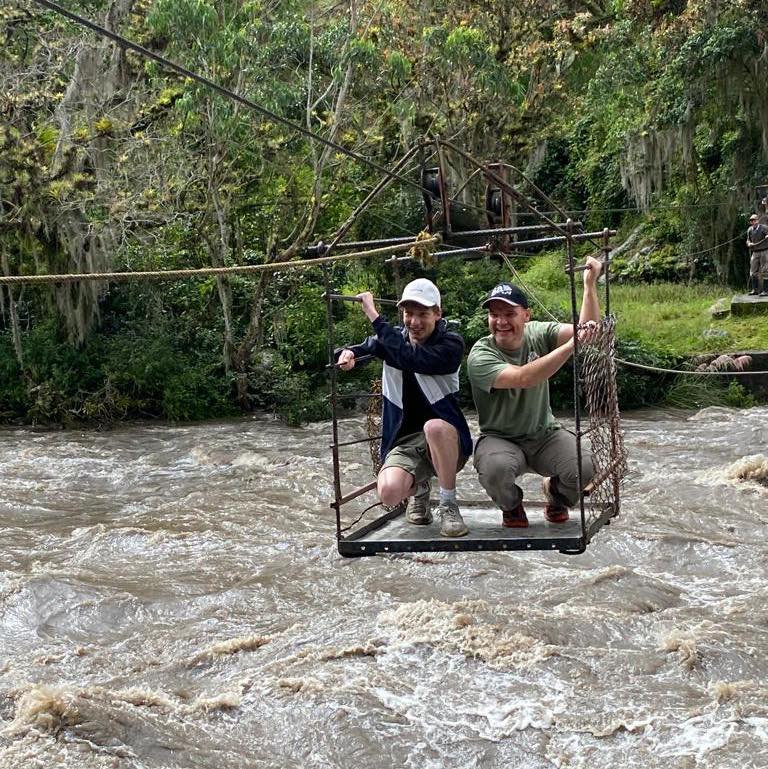
The small region of Gacheta-Junin, north east of Bogota, is separated by a river whereby half is accessible by road and the other completely cut off. So to get coffee from one side to another they need donkeys to transport coffee sacks down to the river where it is then hoisted across on what can loosely be described as a tray on cable, even if the river is raging. It’s mad!!!
Other highlights involved walking up to Alfonso’s farm with him at over 1800masl, and drinking coffee on Dora’s farm.
This is a community with great coffee, and we think we can help build a sustainable relationship to improve income over time, and help invest in a nursery to improve the quality and robustness of saplings for new crops. Watch this space as plans unfold over the next few years.

I’ve been doing this more than 15 years, hunting good coffee and communities to work with. The normal 3+ hours of winding bumpy roads. The normal characters. The normal stories and experiences. The normal beautiful individuals and families. The normal happy welcome. Yet none of it is normal. Its exceptional. And after more than 15 years it is still special, emotional, exciting and rewarding. I love what we do, and I love that we can do business this way, challenging the status quo of me me me, take take take, to share the journey; to be honest, fair and put relationships first. To want the best for those we work with not just for ourselves. Coming back and reflecting . . . .
Firstly, great coffee doesn’t just happen it takes knowledge, learning, and dedication to produce and consistently produce from farm to cup. That’s why we love the connections and relationships we make for the whole process; the constant learning we do; and of course the end result. It’s teamwork. From the farmer, to the roaster, to the barista we all have an important role to play.
Secondly, there is so much power in business to do good. I hope we can continue to challenge ourselves to keep doing better, doing more, and taking both our social and environmental responsibilities to new levels. But also challenging the status quo of business in general to be about more than just profit. We love what we do, we love the impact we can have, the relationships we make, and the fun we have along the way.

Whenever we are in East Africa, we’re not only checking coffee quality and sorting the next year’s crop, we are looking for opportunities to invest in communities and improve lives. We believe in the power of business to do good, and the ‘full circle’ whereby we not only trade directly, honestly and generously, but with our profits, we look to give back even more to the people who grow our coffee.

At the end of 2022, we visited Omi School in Mweka, Northern Tanzania. This is the local school where the children from the coffee-growing families, that we know and work with will go. Whilst visiting we saw the terrible state of the current toilets.
The government had built the basic structure of two new toilet blocks – one for the boys and one for the girls. However, that’s as far as it went. Unfortunately there was no more funding to finish the build, they still need access steps, doors, windows, plumbing, painting and finishing. There is still a lot to do! This felt like a great project to get involved with – relationally as we know the families, and because it will have such a positive impact on health and hygiene.
So discussions started with John, a local education support officer and Pascalina, the Omi school headteacher to see if and how we can help. Excitingly, in February we sent the money to complete the toilet blocks. John has met with the school committee and the MP, so we’re ready to go!
Scroll down to the bottom of this page to see the short thankyou from the school children.
❛❛
Hello, we are incredibly happy to have a modern model toilet in the whole district. We are very happy, teachers, students, and all the school committee, especially girls. we thank them. Thank you very much to you and your family together with Mr. John for good management, and for our efforts, we pray for you.
God bless you very much, our children are happy, also on behalf of the elementary school committee, we are happy.
Head Teacher Pascalina
❜❜

It’s late November 2022, Ian and I have travelled to Tanzania and the slopes of Kilimanjaro to visit the farmers, smallholders and friends that grow our coffee. For EA the relationships in Tanzania are the oldest we have and are a key part of our story. Regular trips and visits to the farm and the villages have been a critical part of not only securing contracts, but maintaining friendships and identifying where we can help with projects.
In the past few years, the global pandemic has put a rain check on any plans for travel and as such there is much that we need to catch up on. Personally, this is my first trip to origin, so there is a great deal for me to learn.
A few days into our visit and much of that time has been spent learning about coffee, not in a classroom or from a book, much of what I have learned were things that I thought I had understood from what I had read or been told. It wasn’t until I saw them in practice that I gained a true understanding of the magnitude, means or care given in each stage of the process.
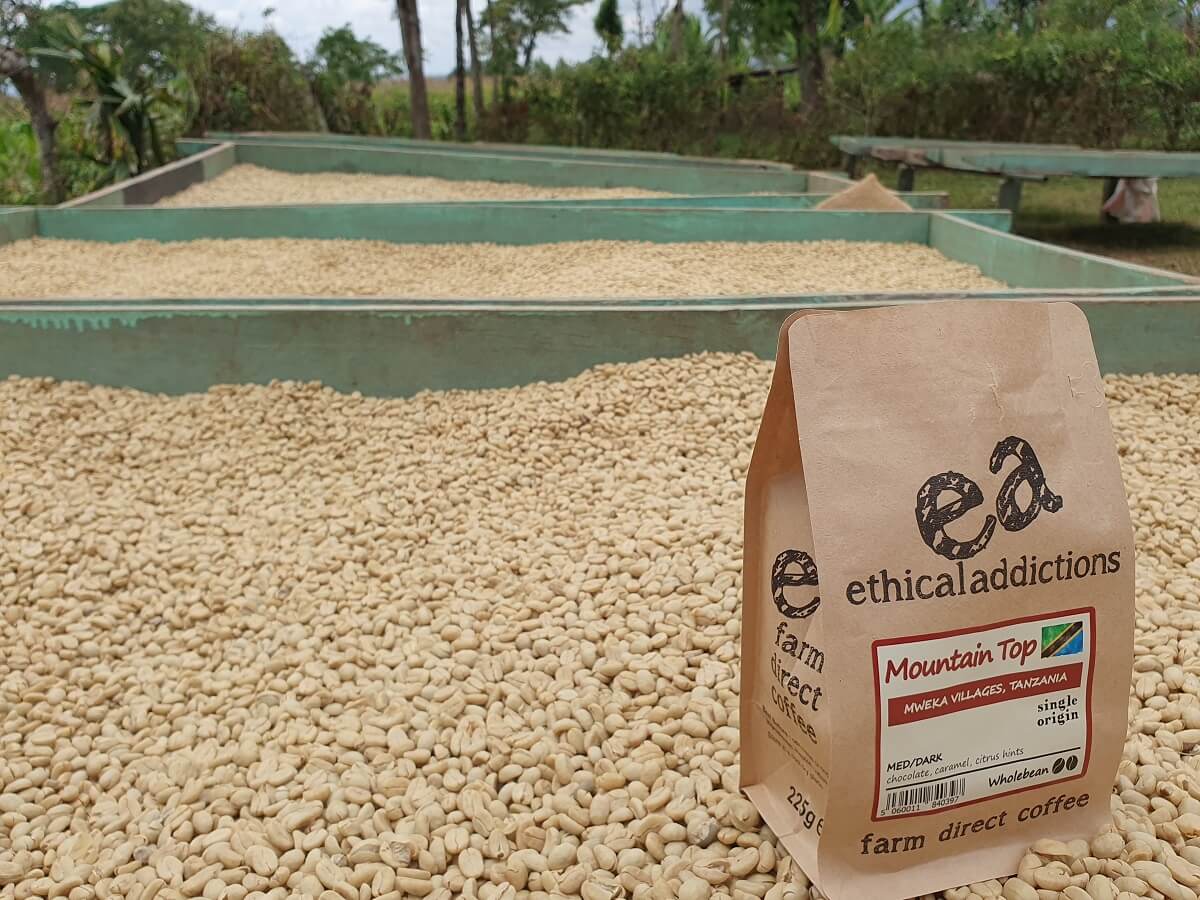
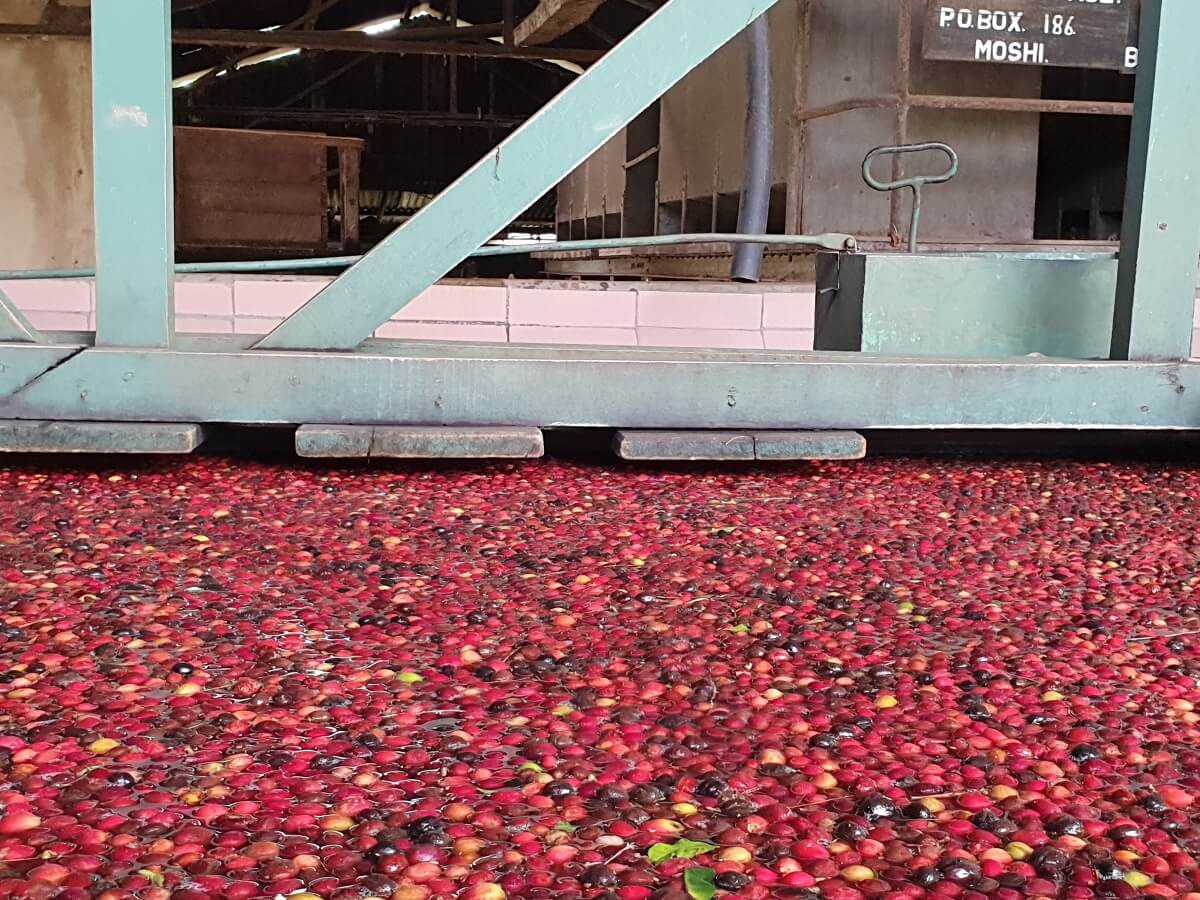
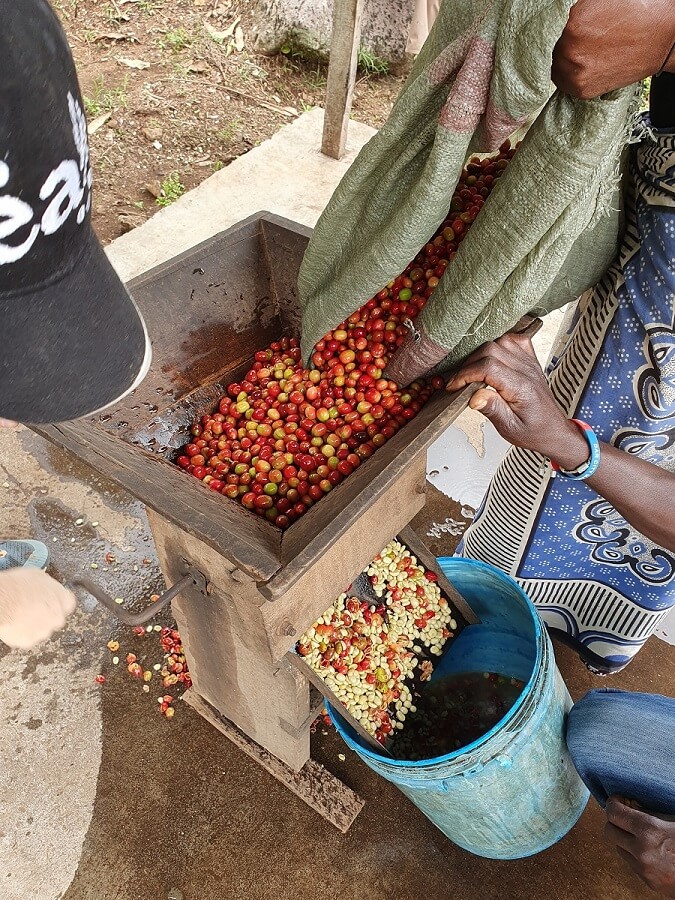
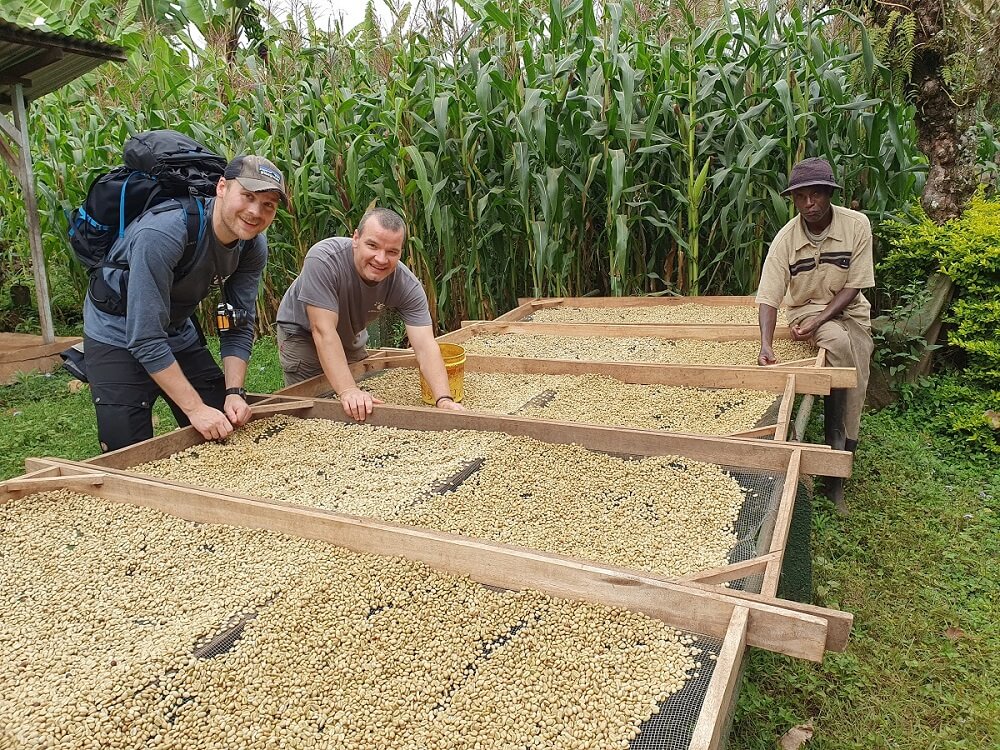
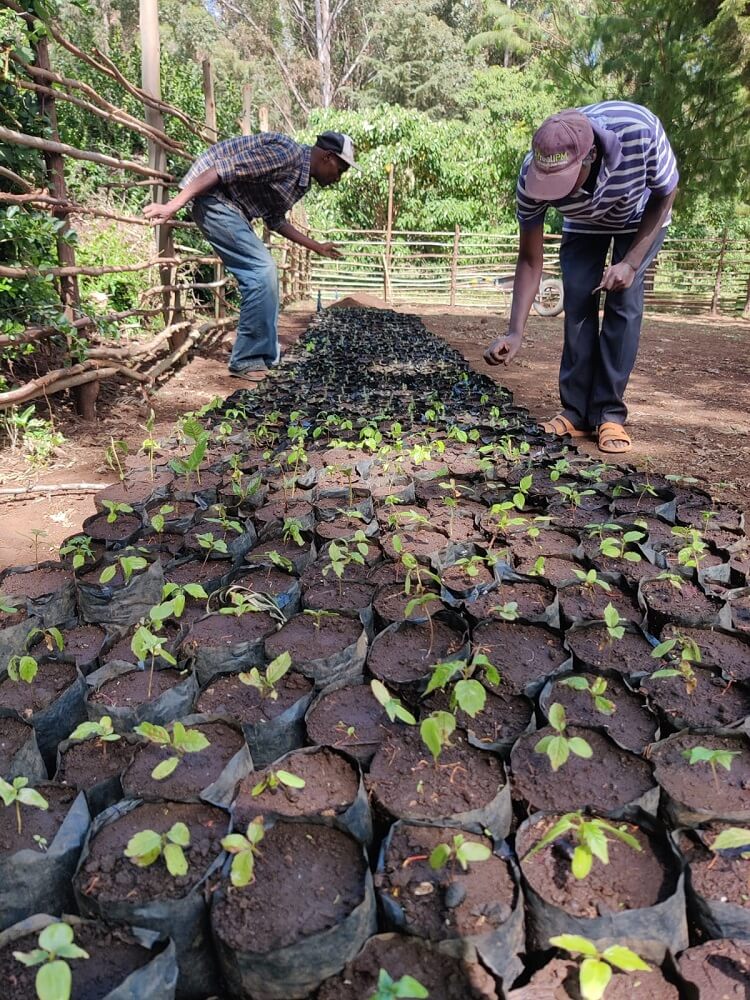
At the farm I have seen the cherry be sorted in the syphon, pulped, washed, fermented and sorted during a second wash; I have watched and helped with the tireless process of hand sorting the beans on the drying tables. Although the magnitude and the means are impressive, it is the care that is given at every stage of the process that is truly astounding. That process begins in the nursery with the care given to the coffee trees themselves right up to the beans being milled and packed ready to be sent to Ethical Addictions for roasting.
This care also extends beyond the farm and the small holdings to the environment that they rely on. Reusing the pulped cherry as compost,growing coffee amongst the indigenous trees (shade grown), and building beehives.
Walking up to the Orera Village, that borders the top of the farm, we have had the privilege of picking alongside the owner of the small holding Laurent. Laurent is the chairman of the Orera CPU (Coffee Processing Unit) who’s sun stained EA cap is a testament to the long standing relationship between the village and us.
The same care is present on this small holding as it was at the farm. We manoeuvre around and through the trees selecting only the ripe cherries, placing them in the buckets, as we weave in and out of the maize and banana trees growing amongst the coffee.
By the end we are put to shame and our haul looks measly next to the experienced pickers. In spite of our meagre haul, the villagers are insistent that they honour our efforts. I’m told that since Ian already has a Chaga (the tribe indigenous to the mountain) name and since I picked on this small holding then I should take their name as my Chaga name so am christened Eliud Mrema (Eliud was given to me on a trip I made to Kenya where they struggled to pronounce my name).
It is a small thing but it feels like a genuine honour (even if, as I write this I still have no idea of the correct pronunciation of it). Following my naming, we take the coffee to the CPU to be pulped and washed (again with the same care as at the farm, even if the scales and methods vary.
The weather has turned, we have not long left the CPU but fat, soaking raindrops are beating down, soaking us and turning the narrow pathways though the lots of maize, coffee and banana trees into a greasy red mud. Thade our guide is ahead of us, leading the charge for shelter. When we finally arrive at his house we are drenched but smiling.
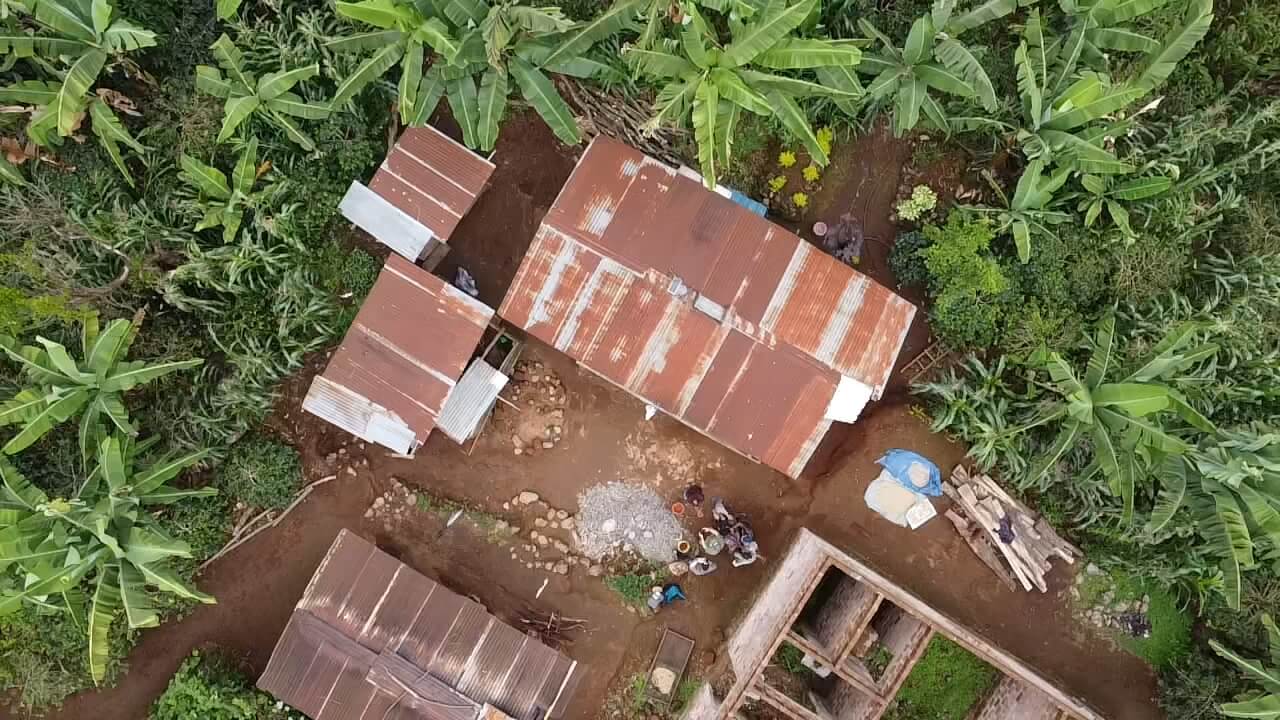
Thade’s house is further testament to the importance of the relationship EA has with the Orera Village. As I mentioned earlier, while this is my first trip to origin, this is not my first trip to East Africa, nor even its agricultural parts. When travelling in Africa, the majority of villages I have seen have consisted of almost entirely mud huts, or shacks of wood and corrugated sheet metal.
Like many in the Orera village, Thade’s house is made of brick and concrete, meaning that his family house will be safer and have greater longevity, lasting down his family’s generations. To us in the west this may seem like a strange thing to note, but it is truly a testament to what can be achieved when value is put back into farmers and smallholders, rather than the value of the crop being chipped away at by the various buyers and traders taking a cut of the profits in the markets. Sharing lunch at his house with his family is also a reminder that people and lasting, meaningful relationships are why we do what we do.
It is our last stop of the day and we have made our way to the local school. We are standing outside a disused toilet block that is roped off and with good reason. The ground moves, bounces almost as though the floor is sprung. They were built on the caves in the mountain, the school’s principal explains but as the cave has eroded above and without the proper drainage, they are concerned that the floor could collapse at any moment. She taps her foot for emphasis and the floor shifts again. To the side of one of the toilets the floor has already given way and an unpleasant odour rises out of the pit.
These had been the boys toilets but since the threat of the toilets collapsing into the cave below, they have been using a new block of toilets that had originally been built for the girls. While the shell of that new block of toilets had been built by the government, the school had been left to find the funds to properly finish them. It seemed like this was something that we as EA should help with, especially since eighty percent of the children from the Orera village attended Omi School.
Waking up we walk onto our veranda, looking up at the garden of our guest house at the Machare Farm. Our gaze is fixed far beyond the garden’s end.
It’s still cool, though in the short rains it won’t reach above the mid twenties. A veritable orchestra of different birdsong have already begun the dawn chorus that will continue throughout the day, such is the quantity and variety of life that teems in the trees that bathe the coffee farm in shade.
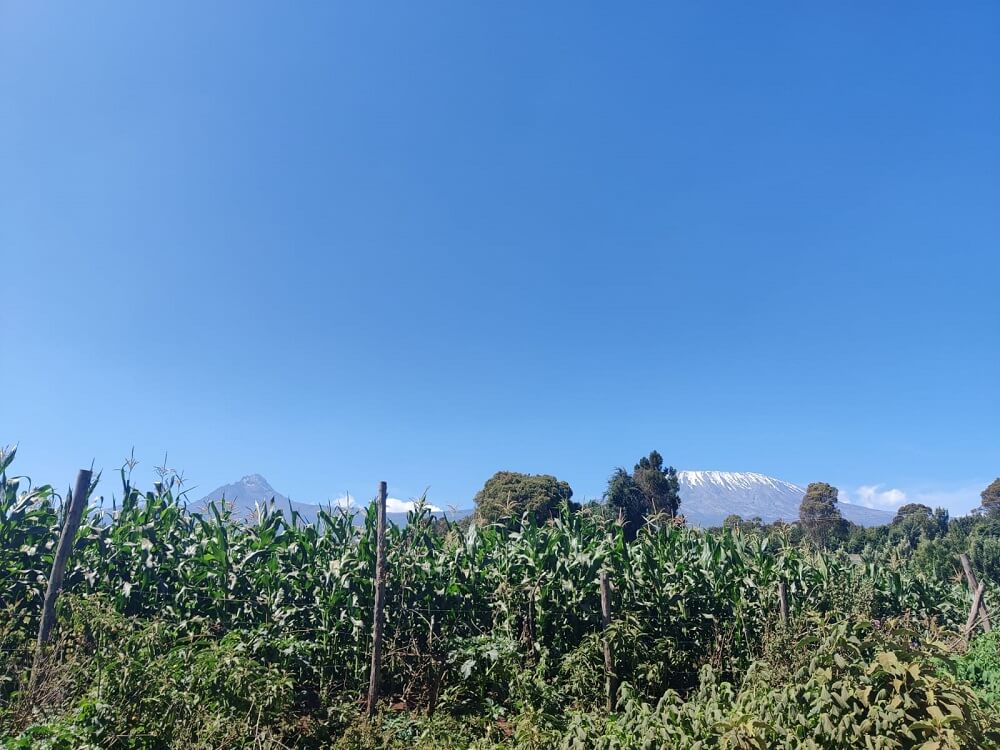
Beyond the rainforest, further up the slopes, who’s evaporating dew snakes lazily through the canopy. Our gaze is firmly fixed on the bank of cloud that is rolling away like a theatre curtain being drawn back, as though nature itself were taking joy in the theatrical, revealing of its own majesty. Kilimanjaro!
It stands dominating the landscape. The recent rain on the farm has translated as snowfall on the mountain. Its white cap is seemingly at odds with its tropical surroundings. It is hard not to be overwhelmed by its beauty. And yet, while we revel in this view and this moment it is also tinged with sadness.
The mountain’s summit slides out of view, once again obscured by a bank of cloud. The summit will reappear from time to time throughout the days, though its sudden disappearance of the snow swept slopes seems apt. The timing of the visit rides on the coattails of COP27. The conference being held on the African continent places a great deal of emphasis on the impact the climate crisis is already having on developing nations.
Much of the climate science published in the build up to and during the conference shared the same lens. Not a month earlier we had read a report that by 2050 a third of the world’s glaciers would be gone, including the Kilimanjaro glacier, the one we had just watched slip behind a bank of clouds.
The loss of the Kilimanjaro glacier is more than a matter of aesthetics. With the current rainfall the rivers that border the Machare Farm and through the Mweka villages, flow freely. The water bowsers for storing water and distributing it among homes are full. However when the rains stop, these rivers that feed all the life on these slopes, providing water to farms and farmers, rely on the glacial melt waters to flow year round. Without the glacier in the dry season there is a good chance the rivers will just vanish.
Leaving Tanzania it felt like we had packed a lot into just a few days. I had seen how the farm and the small holders worked, I had been astounded by the care that went into producing the coffee and had witnessed the impact of direct trade on the small hold farmers. We had spent time refreshing relationships and we had the possible beginning of a new project.
I’m returning to the roastery with a new sense of why the DNA of EA and what we do matter, both in the impact on the coffee and those who care for it at every part of its journey from farm to cup.

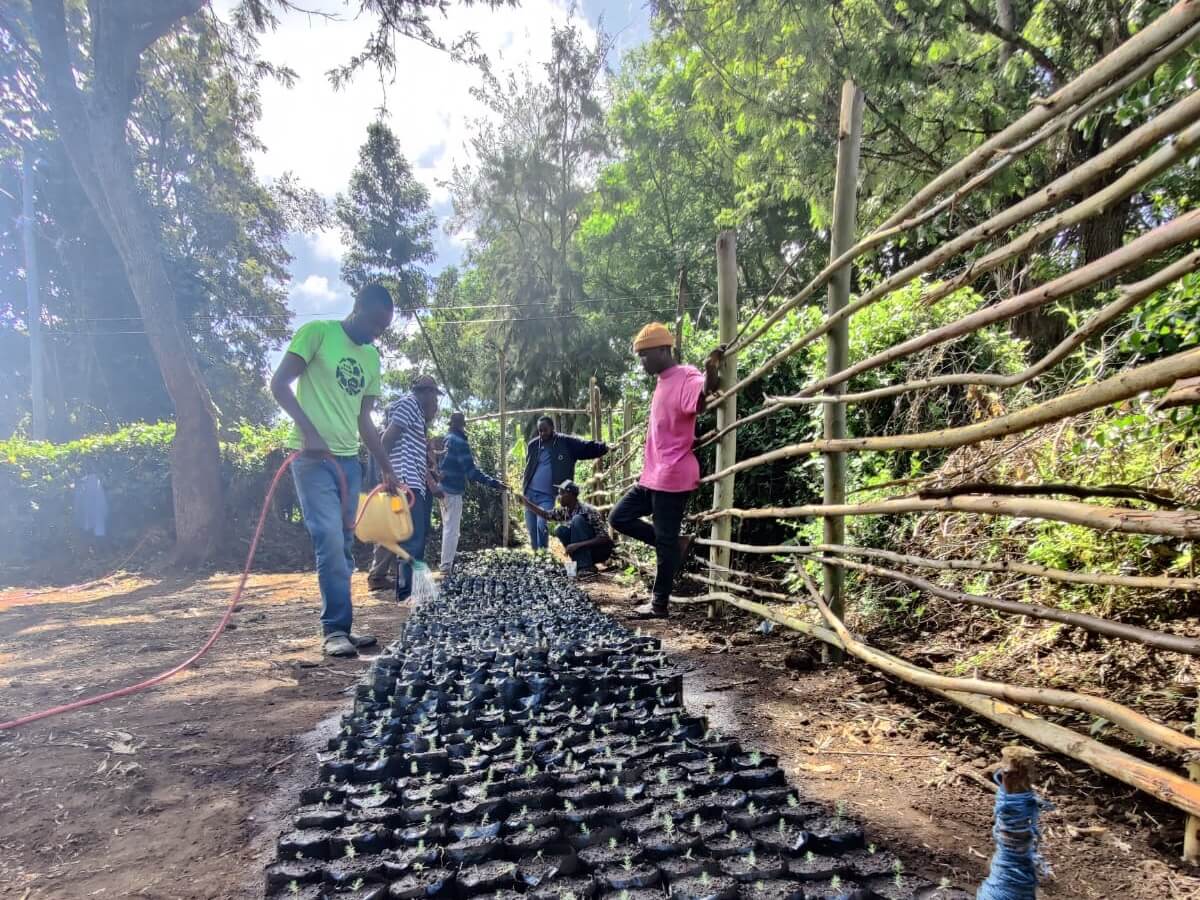
Mount Kilimanjaro lies on the border of Tanzania and Kenya, and when our friend Josh came to EA with his plan to go back to Loitokitok, Kenya and invest in tree nurseries and tree planting it was a no-brainer for us to support him. Kenya has suffered with severe deforestation in the past, so right now there are various initiatives to restore degraded land, increase forest cover, protect habitats and tackle climate change. The trees will also improve the agricultural fortunes of the community.
So in Feb 2023 Josh was there, in Loitoktok, a remote Masai region, donning EA merchandise to represent us, and planting trees that we donated. We’ve seen it first-hand ourselves in various countries, but once again I am humbled and amazed to see communities with apparently so little, caring about the environment, we need to change our mindset in the West and learn from people like Joe and others that Josh is working with.
“When I was chatting with Ian about my plan to plant some trees in Kenya, to my amazement, he instantly offered Ethical Addictions full support by funding all the 200 mature trees I had in mind. When I arrived back in Kenya this year I was struck by the severe dryness, it has been 3 years since my last visit and the impact of the heat and the lack of rain was shocking.
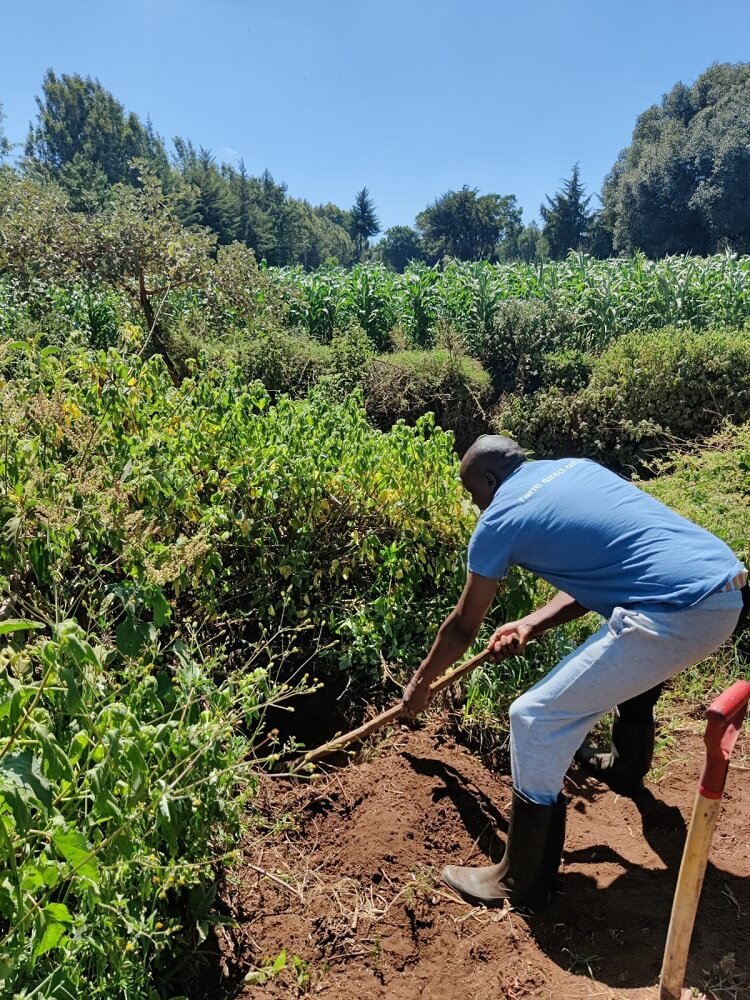
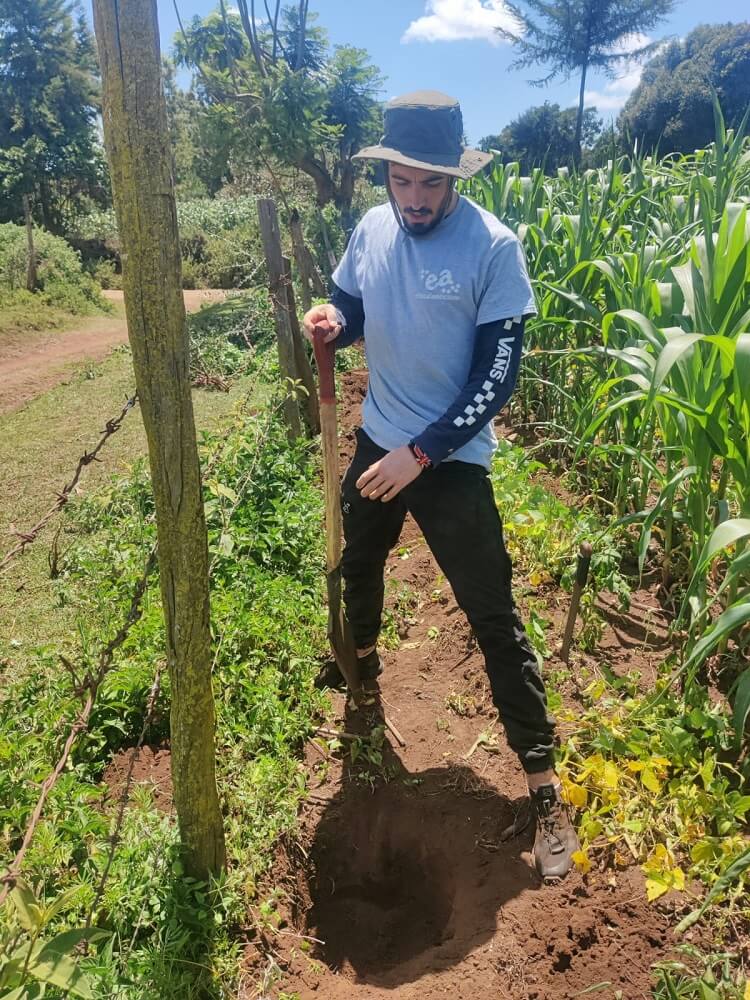
As I entered the village, Mt Kilimanjaro came into view and slowly we saw the place begin to get a little greener. I got together with my close friends in Loitokitok and began to dig holes, all day, whilst roasting in the sun.
One week later all 200 holes were dug and we began to plant the trees EA had sponsored.
During the planting, we had drawn attention around the village and so by the end of the week I managed to gather 22 men who would commit to regularly continuing the work. They would meet as a prayer group each week and also create a tree nursery. This kickstarted by planting 15,000 seedlings, received from other organisations meaning watering the seedlings and continuing to plant more is possible.
Both myself, Joe and the community in Loitoktok want to say a huge thank you to Ian and EA – not only for the sponsoring of the trees, but the fact that he has set a passion in me for planting trees where the world and our people who live on our planet need them most. Without him saying yes to giving me the opportunity to plant these trees, none of this would have been possible. Thank you.”
– Joshua Metcalf (Friend to EA, Project Lead, and all-round good guy)

We’re so pleased to win another award. EAcoffee has been awarded:
Best Commercial Coffee Machines Wholesaler – South West England
How we were chosen…
Our extensive research and judging process is driven by merit and centred around an in-depth evaluation of skills and services on offer.
Awardees must demonstrate expertise within their field, dedication to customer service and a commitment to promoting excellence. This approach has brought us much success and commendation throughout its use and enforces our stance that victors are not determined by popularity of votes, but by their contributions to their industry.
See our entry here.

I’m sure you have been expecting this, and so I will not give a long explanation about all the global crises and cost pressures we are all facing, particularly fuel, energy, wages and the weak pound given all coffee comes from overseas.
I do however want to say you should have noticed we have held our prices all year despite growing costs everywhere – this is because of the unique way we buy our coffee and secure it annually from the harvest, hence not price sensitive month-by-month. So even whilst other costs were rising we had a solid base price for coffee for our customers. That said, there has been pressure on us from other suppliers, particularly energy, and we have had price rises ourselves throughout the year. We have held off as long as we can and with gas particularly, let alone all the other costs we are unable to avoid this any longer.
With shipping costs, gas costs and many other increases it is inevitable that now coffee prices are going up. Other items are simply price increases passed on from our suppliers of cups, hot chocolate, tea, etc. and will be item specific. Where we have been able to hold prices we have.
We are committed to being effective and sustainable as a business, but also remain deeply supportive of both our customers and producers. We value not only your business but your friendship too. As such this is always a reluctant move by us, but please note these price increases represent only about 2p per cup of coffee, something we hope you can easily offset by modest menu price changes yourselves.
We also believe we continue to offer exceptional value, not only in the quality of our speciality coffee, but with added value through the provenance of the coffee itself, and the support services we offer in-house with servicing, advice and training. Delivery remains free for most orders, and we are removing the temporary fuel surcharge. And as I hope you know we do not operate on greedy large margins, so as we have in the past, when energy or production costs fall we will maintain fairness and reduce prices in line where possible.
I trust you understand. Please know how much we value each and every one of our producers and customers, and we remain firmly committed to supporting these relationships from farm to cup.

Ian had a phone interview with independent journalist Oliver Blach talking about the vision and ethos of Ethical Addictions. Part of that conversation was turned into an article in the Financial Times! The article features a number of different companies in the UK who are not motivated by profits alone but.
❛❛
“We’ve been asked to love God and love our neighbour, and we need to live that out, whether that’s as a member of the clergy, sweeping the roads or running a business,”
Ian Meredith
❜❜
You can read the full article here:
Oliver Blach – Faith at work: the entrepreneurs who connect the spiritual and professional

Reflecting: coffee prices, environment and relationships
Coming back from South America I have been reflecting a little on what we do, how we do it and why out direct trade approach is so important to us. I have also returned with a lot of new information running around my head with regards to how climate change is dramatically affecting coffee, and how the current perfect storm of global crises is forcing unprecedented upward pressure on coffee prices. I alluded to this in the previous origin reports but here is a little more depth to what is going on.
Just search ‘coffee supply problems’ online and you will get plenty of results from the past year explaining the myriad of reasons from climate change and low yields, to logistics and the fuel crisis. Let alone the war in Ukraine and massive inflation globally affecting everything from packaging, gas for roasting, delivery costs and of course wages.
The start of the issue at origin is summed up by the BBC News article published 25/07/2022:
The problem for Brazil, and world coffee supplies in general, is that last year the country’s annual crop plummeted by almost a quarter due to a drought across its main coffee growing region . . .
The knock-on affect has been a global reduction in coffee beans supplies, and a subsequent doubling in wholesale prices since this time last year.
Obviously here in the UK we hear the news from our perspective and how it will affect us – whether we will be able to get a cup of coffee and how much will it cost – but seeing and hearing first-hand what is happening from the other end of the supply chain, from the farmers perspective, has left us pondering the next 18 months.
Harvest is down, there is potential of more frost (or other issues brought about by climate change), the coffee market is up, fertilizer comes from Russia and has jumped in price, pickers wages are up, and all that before you get the challenges we face overseas since container freight prices have skyrocketed, and fuel prices here are affecting roasting and delivery costs.
Conversely, will global demand be down because of the war in Europe, or because of the inflationary pressures on our disposable income? As with most of the cost and price challenges coming about in our lives right now, it is all somewhat unknown.
Oh the complexities of our globally connected world, and the precariousness of our environment right now!
As in all things we promise to be transparent and honest with what we know; and the reasons for any changes we make.
Thankfully, given the way we buy coffee, we’ve secured most of our coffee for the next six months or more, which gives us some protection from the current instability in the market and inflated prices, but it’ll be interesting to see how things develop.
We expect prices to remain high for all the reasons discussed here, and so our prices are inevitably going to have to go up too. If coffee remains high, logistics remain complicated and expensive, fuel for roasting is insane, then add packaging, delivery costs and wages – there’s only one realistic outcome.
We are always reluctant to do so, and we will resist until we have to, but we won’t compromise on coffee quality, looking after our farmers, or ensuring we provide excellent customer service.
Business in itself can be done by email, but relationships just need to be in-person, so it was so good to be with our friends in Colombia and Brazil.
Certain facts and knowledge can’t be gained without seeing it for ourselves, and there are conversations and learning that simply can’t happen by phone or email.
As we discovered meeting Angela in Bogota, some opportunities just come in the moment. And again in Minas Gerais the new opportunities for working with small sitios just wouldn’t happen without us walking the land and talking with different farmers.
It reminded us and reinforced our passion for people, for doing business well and that high value that we place on true and honest relationships, from farmers in coffee origins through to great customers in the UK.

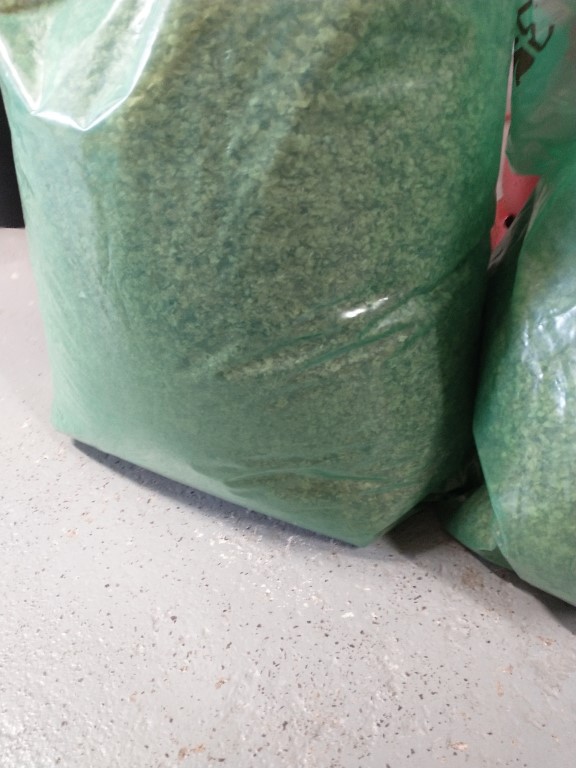
Coffee chaff is a natural waste product from roasting coffee beans, but we don’t like the word ‘waste’, so wherever possible we get creative around the mantra of reducing, repurposing and recycling.
It is natural, clean, dry and soft . . . and we have lots of it. But actually, chaff can be repurposed rather than being thrown away:
Compost. Chaff is organic, light and mixes well with other compostable contents. It’s best to layer it (as with most composting) with food waste, existing compost, a little cardboard. grass cuttings and more. Coffee chaff is rich in nitrogen and so not only enriches soil but helps vegetables like tomatoes grow well.
Even better, it also helps to ward off slugs and snails – they can’t stand the smell of coffee. So make sure you put your used coffee grinds on your garden too!
Animal Bedding. Chaff makes great animal bedding for pets like chickens and rabbits. It’s easy to handle, clean and soft.
We currently give it away for FREE, so if you want some pop in to the roastery and just ask!
Whilst you’re here you might like to know we’re also keen to see other items repurposed or recycled. We’re working hard to do the best we can across our whole business, and you can read a bit more on the link below.
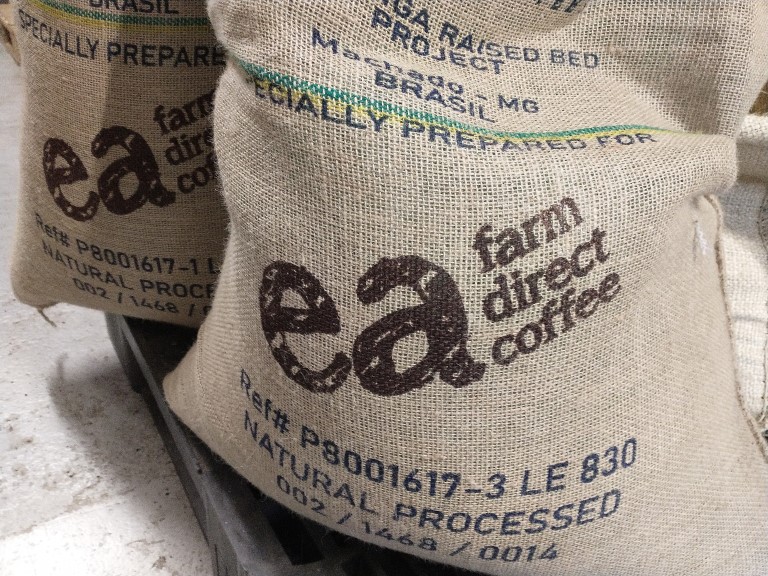
Coffee Sacks. Those beautiful jute or hessien sacks we buy our coffee in – we get 100s a year so if you want some for upholstering, a craft project, your allotment carpet or anything else we have plenty available.
Coffee sack liners. Similarly, the coffee (60Kg) comes lined with very strong sacks that have dozens of uses and plenty of life left in them.
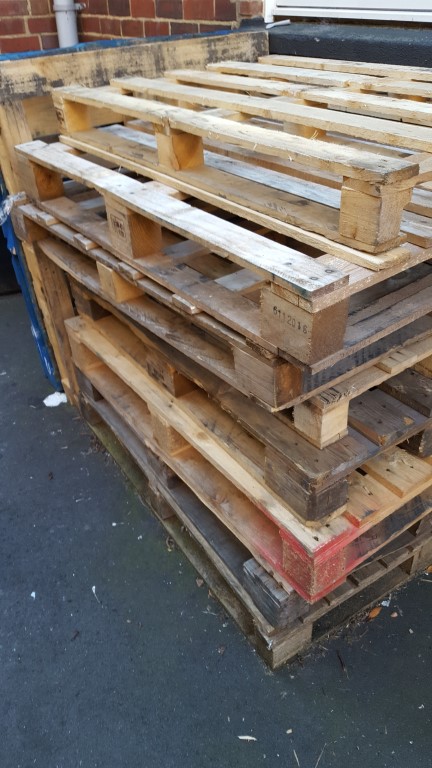
Pallets. We get a lot of pallet deliveries and only send some of them back out, so we encourage upcycling them into garden projects.
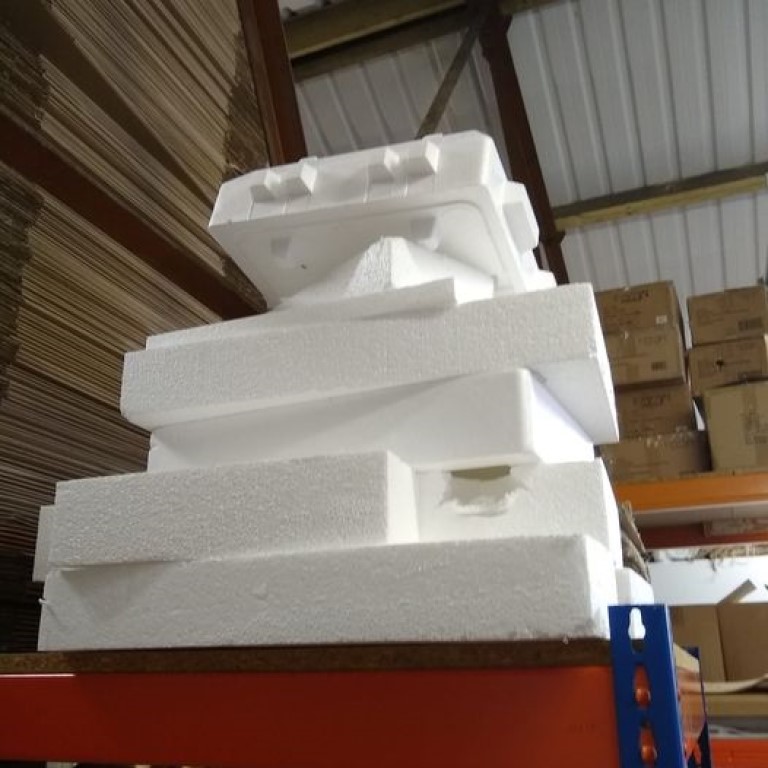
Polystyrene. This is a nightmare product but sadly still used for packaging expensive coffee machines (and we sort of understand but wish there as a better option). When we have any it’s available free for gardeners and model-makers, or to insulate your shed. Come and ask, we’ll gladly give it away FREE.
We’re also keen for suggestions where we can be even better so get in touch.