Ethical Addictions Logo link to homepage

Africa Coffee Archive
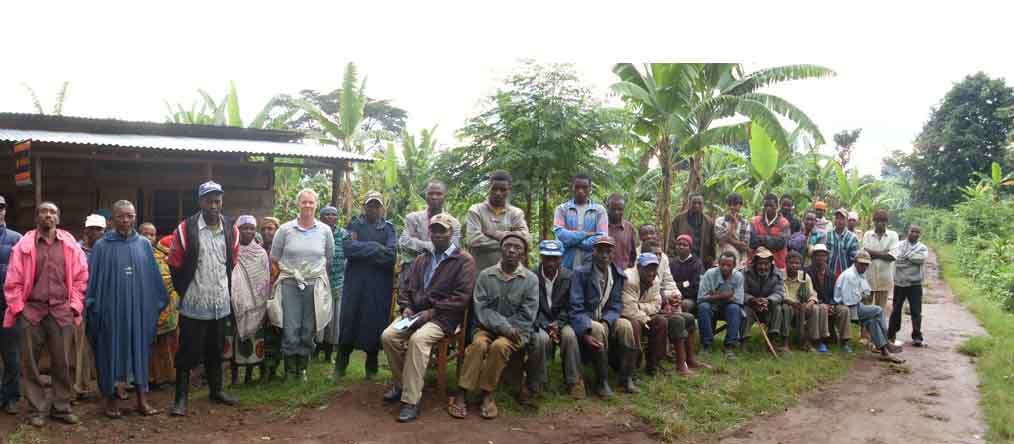
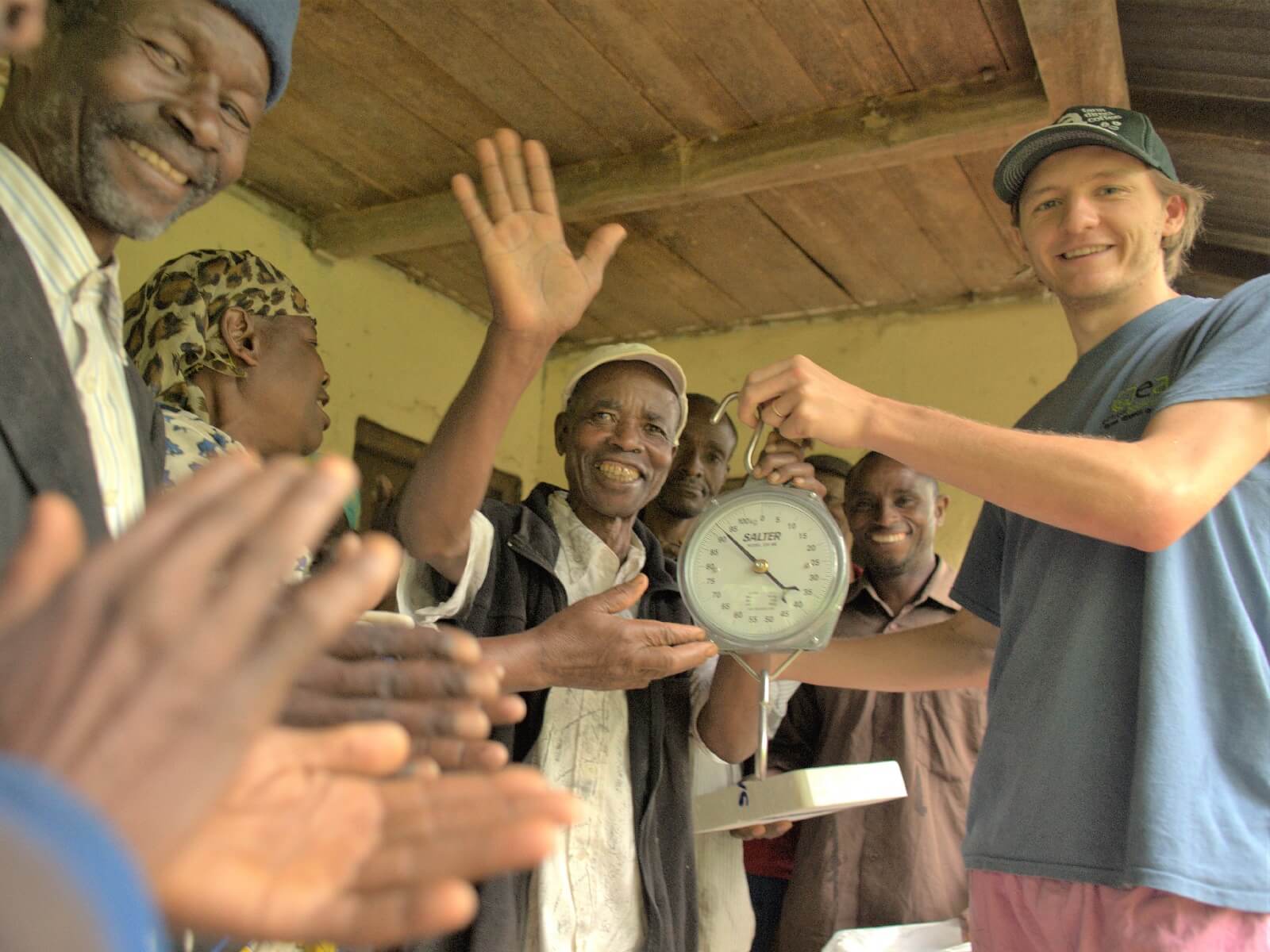
Africa Coffee Orera Villagers 2009

Ethical Addictions purchased it’s first Africa coffee from the Machare farm on Mount Kilimanjaro in Tanzania.

This journal entry features the first three issues of the Daily Espresso that were published in 2009. Reading these articles you will discover some of the projects that Ethical Addictions has been involved with in Tanzania and the difference it has made to the villagers being paid fairly for their coffee.

Table of Contents

March 2009

At the beginning of January we had a discussion in the office (our new Elephant House) about how we were going of-set our carbon footprint for 2008. After discussing a number of options I decided to speak to the farm manager at the Machare farm on Kilimanjaro to see if she had any ideas. She suggested that we buy stoves for the families who live in Orera Village. Each stove will save half a ton of carbon a year but more importantly hugely contribute to the health and life for a family. Have a look at the before and after pictures we have just received.

This is Justina Mrema and her family (her youngest ( a daughter) was born on the 6th of January. We are delighted to say that we have just bought 16 stoves to offset our carbon. I don’t say this to brag about how great we are but more to say that we can all help contribute to one family at a time.

Before
Before
After
After new stove installed

We set out EA in order to drink and supply some of the worlds best coffees, alongside this we genuinely wanted to make a difference in some of the poorest parts of the world. As a small independent company we can only make small, but very real, steps to making a difference.

Following last year’s hydro-electric project and this year’s stoves project the real difference is starting to show. We’re hoping that through continued growth and customer support we’ll see a significant, sustainable difference in the Orera Village and other farms we work with. If you want to talk about how you can help make a difference than give us a call.

Did you know?

We have purchased the whole of the Orera Village’s 2009 coffee crop and it will be available online as “Mountain Top” coffee very soon.

This will provide for the 600 villagers a guaranteed income at a price higher than they could have hoped to have achieved before and a commitment to future crops.

July 2009

As some of you are aware; we set out on this Ethical Addictions adventure with the hope that we could enjoy some of the worlds best coffees whilst also being able to make a genuine difference to some of the poorer parts of the world. Probably the most exciting venture so far has been working alongside the Orera Village on the slopes of Kilimanjaro.

The Orera Village consists of 150 households and is situated just below the rainforest nestling at 6100 feet up the mountain. Being the highest village on Kili and due to its isolated location it isn’t connected to mains water or the electricity network. So far we have been able to assist the village with its three major projects.

The first one was in 2005 with the hydro-electric project. 10 hydroelectric units that produce 500 watts will provide renewable electric for 15 homes. Not only has this system provided electricity but the added benefit is the piping system which which can divert to water for irrigation for the coffee trees and vegetables. This has reduced the water usage by 98% which means considerable less soil erosion but will mean that water is available all year round for drinking. 

Africa Coffee Orera Villagers 2009

The second project was helping to purchase cooking stoves for the village. The homes have been burning wood inside their huts for cooking and heating. The amount of smoke created by the fires inside the homes is equivalent to smoking forty cigarettes a day.

The stoves will also mean that 1000 litres of Kerosene will be saved per month – the money saved will go towards paying for school fees.

The third project has just arrived! When we were last out in Africa we visited with the village elders of Orera and in discussion with them we agreed to purchase their entire next crop of coffee. The main problem for small villages producing coffee is getting a guaranteed sale at a price that makes it a viable proposition. The shipment of 719 kgs of Orera village coffee has just arrived – for us this is a very exciting day. With much anticipation we cupped the

first batch. We were shocked at just how good the Tanzania Kilimanjaro coffee tastes. Shocked because even though the geography is perfect, we weren’t certain about the first years crop. The taste was dark and smooth with a velvety cocoa and caramel finish that was up there with the very best we have tasted.

For those us us who run small business’ we know how tough it can be, but having the Orera coffee arrive goes a long way to making it all worthwhile. The adventure continues… 

Due to the small quantities Mountain Top coffee is only available online.

November 2009

A huge thank you to all those who contacted us and wished us well on our recent trip out to the African coffee farms in Tanzania and the charity work in Uganda (more about Uganda in next months newsletter). 

As many of you who partner with us (that’s you our much loved customers – you know who you are!) We hope to make a difference in the developing world as well as sourcing some of its best speciality coffee. Now we aren’t always sure that we are having an impact. However a couple of emails from a friend on Kili helped us see what difference Ethical Addictions and those who supply the coffee are making. I will let some of the villagers from the Manoshi Village tell you in their own (translated) words.

❛❛

"This season, I harvested exactly 488kg of coffee cherries. I intend to finance the secondary school fees for my two older children and the primary school fees for my three younger children. Moreover, I will finish the building procedures on my house. If there are still some savings remaining, I will buy hens and a goat."
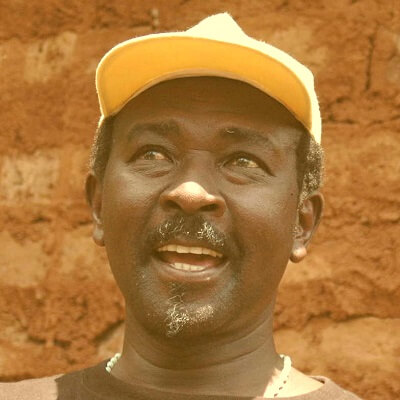
Bernard Malya
Manoshi Villager
"I have to raise my four children on my own. With the earnings of the 25 kg harvest, I would like to finance the secondary school fees of the two eldest and the primary school fees of the two younger children. To this purpose, I also need to invest in the improvement of my coffee farm so that next year’s harvest will be more fruitful."
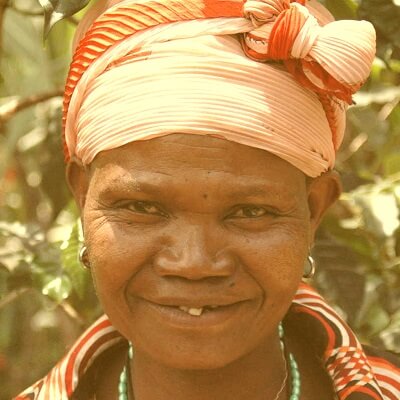
Ionofefa Kiwia
Manoshi Villager
"I collected exactly 236 kg coffee cherries. I would like to start building a new house in which we will better protected against the heavy rains during the rainy season. I also would like to buy hens. Last-but-not-least, I will be proud and grateful if my two children can finish high-school so that they can attend University in the future."
Alois Shahuri
Manoshi Villager
- This year, I harvested exactly 416.5 kg coffee cherries. With the benefits of this harvest, my priority is to invest in the improvement my coffee farm’s efficiency, send my eight great children to primary school and repair my house.
Elisabeth Mambo ~ Africa Coffee
Elisabeth Mambo
Manoshi Villager
The exceptionally favourable price for the coffee helped me to pay the tuition fees for secondary school for my eldest son and for primary school for my two younger children. We could also finance the food for the all-day school.

Moreover, as there were heavy droughts this year, the money facilitated us to buy beans and maize that we couldn’t grow in self-reliance. Last-but-not-least, I could buy a cow supplying my family with milk. This is just a flavour of the letters we received. I hope like us your thrilled that together we are making a difference.
Laurent Josef Manoshi Villager

Laurent Josef
Manoshi Villager
❜❜

This is just a flavour of the letters we received from the farmers coffee. I hope like us your thrilled that together we are making a difference.

Newsletters: Archive (2009 – 2018)

The News Shot is our “readers digest”. A one page update on what we get up to throughout the year in a pdf format. Below are the archives ranging from 2009 – 2018. 

Click on one of the compendiums below to see the journey we’ve taken with our farmers.

2014-2018
2009-2014

Cameroon Boyo ~ Impact of the Coronavirus

Back in June our friend in Cameroon, Matti Foncha, who we buy our Cameroon Boyo coffee from, uploaded a video to YouTube where he talks about how the coronavirus  has affected him and coffee production. We have also included a transcript for people who would prefer to read rather than watch the video.

Impact of the Coronavirus Crisis

on the production & direct trade of coffee from Bamenda

Transcript (11 June 2020)

My name is Mattie Foncha. I’m a farmer and I’m in Bamenda (Cameroon). We grow coffee as well as many other crops which we take to world markets. I organise and coordinate the work of so many other farmers in this region but when the government banned travel and closed the borders because of Covid 19, I found myself at home with my elderly mother. She’s in her nineties. So it places both her and me in the high risk category for Covid 19.

In Bamenda most people have not really felt the true impact of Covid 19. We haven’t seen the dramatic deaths that they’ve seen in other countries around the world. People go through the motion. We wear masks and we try to keep our distance but people don’t really truly understand what it’s about so I am glad that I happen to be home with my mother when this travel ban was imposed and I’m going to continue to be here until I am absolutely sure that she can be protected and kept safe. So yes in a way Covid 19 has affected me and my life but it’s in a way for me it’s a positive effect because it gives me a chance now to be sure that I’m giving my mother the best protection she can get at a time like this.

Our main production is coffee. I’m in the farm here where you can see a lot of coffee trees but we also grow beans and other crops along with the coffee. So when we were faced with the issue of Covid, my own work professionally got a little bit disrupted because typically I’ll go to market areas mostly in Europe and the United States. We also have customers in Asia.

I will visit our customers and make arrangements for pricing. We sell our coffee directly to the world market and directly to farmers. That was directly to coffee roasters. So not being able to travel we had to restructure how we work and so now we mostly use online channels to communicate. We use social media as much as possible but we also use direct emails, phone calls and that way we can keep ourselves going.

Why we were able to do this and not feel too much the effect of Covid is because we built up very strong relationships. Direct sale relationships, direct trade relationships. For the roasters who handle our coffee and then the roasters for us who they trust to do the right thing to give them quality.

It is mid- August … the daily rains have stopped, but only for about a week – our “small dry season” – time to harvest and replant supporting crops. Let’s hope that that the rains resume soon – good for our farms, good for our coffee!

Our hometown Bamenda is still functioning pretty good because again the dramatic effect of Covid hasn’t really hit home yet so we go through the motions when you go to the bank they keep a social distance . When you go to churches they are also like that but the markets are still open and people enter crowded buses and crowded motorcycles so we have some ways to go but again were fortunate that the rest of the world has experienced Covid and they’re able to give us some pointers for what to do to take care of ourselves.

Were obviously looking forward to what people call the new normal that’s going to be coming up post Covid but I somehow think were already living the new normal when you look at sister city relationships like Bamenda and Dordrecht and you look at the potential for direct connection in that way that is how trade should have been and that is how were developing our trade. Intimately connecting the partners one with the other and in the spirit of mutual respect and trust that each party will do whatever it can do to empower the other one and were very very grateful for the people of Dordrecht for being our partner and our sister city.

Recommended Reading

You can also find out more about what the country of Cameroon is going through right now then we recommend the following:

BBC article on the city of Bamenda (Cameroon)

Video by the Washington Post:

Cameroon, divided by two languages, is on the brink of civil war:

The boys are back in town

Written by Jack

Fresh from the trip to the Machare African coffee Farm and the surrounding smallholders in the foothills of Mount Kilimanjaro I am sitting, reflecting on the privilege it is to now be part of the EA journey, and to realise how great it is to have been working with these communities for the past 12 years.

I’ve been with EA just over two years now and this was my first trip to origin, and what a trip! I knew we have good coffee, and I knew we did great stuff in country, but to see the attention to detail involved in bringing us such high grade beans; to see the impact of the way we do business; and the social investments we make – it just blew me away.

A lot has changed over the course of the decade but two things that stand out are:

  1. The increase in attention to detail 
  2. The improvements in farmers living standards.

Whilst the potential of the coffee has always been outstanding, coffee farmers have grown in their care for their crops and we have seen an increase in quality and consistency year on year. It is touching to see how proud the farmers are of their coffee and grateful for our ongoing relationship. They know and trust that as long as they keep producing their coffee at a high standard, we will continue to supply it to coffee shops across the UK.

For us on a personal level it is hugely encouraging to see how EA and its customers have helped to improve the lives of farmers and their communities. Hearing stories of how farmers can send their children to school, build a bigger home and afford healthcare reminds us of why we believe the direct trade model has to be the right
way of doing business.

Furthermore the success story of the Mweka villages and the relationship with EA is spreading across the region. Our hope is that it will lead to more relationships either with us or other businesses who share our way of doing trade and investing in people. 

We are looking forward to the new year and decade with renewed encouragement to get this unique coffee into more cups and further the lives of our friends in Tanzania, Brazil, Cameroon, Colombia . . . .
Jack has been working at EA for just over 2 years. His favourite blend is our Jacutinga and he takes it black.
Jack Neave
Full of Beans!

A little guest has arrived. Colombia Cauca

A little guest has arrived. We’re exploring opportunities to partner and work direct in Colombia and came across this fantastic Colombian coffee, with a great story too.

Argelia in the region of Cauca, is a remote place and this project is designed to educate and provide investment to assist farmers to increase coffee production along with an incentive to move away from coca production. If you love Colombia coffee beans then you should check this new Single coffee origin out. 

Tasting notes: toffee sweetness and nuts, marzipan and apples with citric acidity.

Newsletter: Jack & Jacutinga

Summer 2019

Beautiful scenes, beautiful coffee

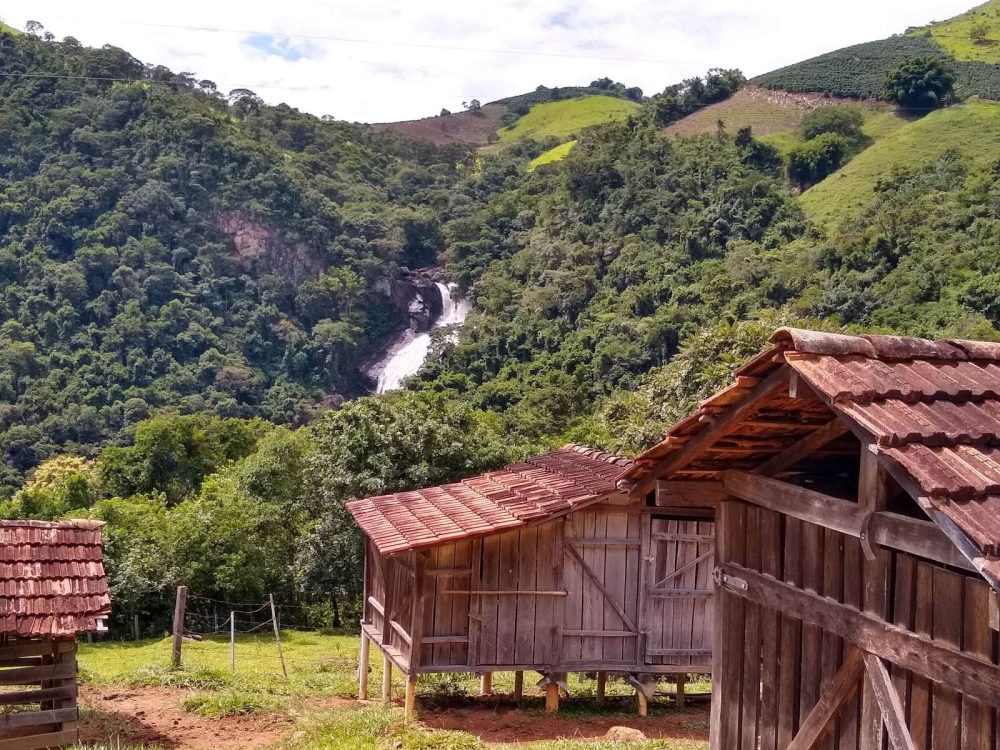
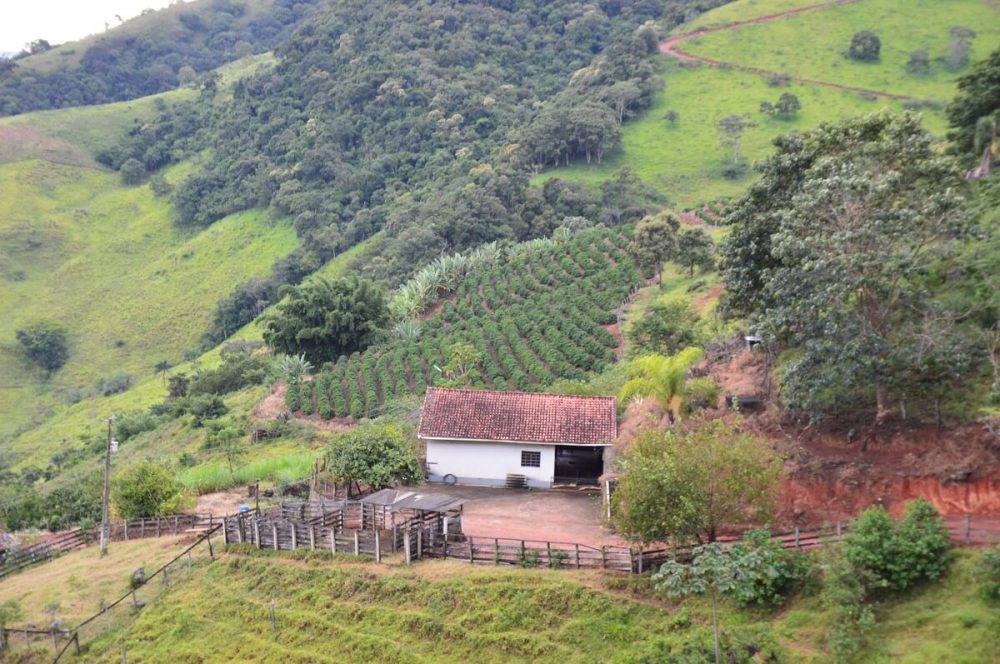
This is Jacutinga, ethically sourced coffee from a small coffee growing community high in the hills of southern Minas Gerais, Brazil.

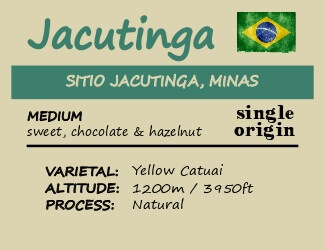
We’ve been back to buy the crop this year and meet with Osmar and his family. The more they understand speciality coffee, and the benefits of taking extra care, the better the coffee is becoming. It’s already cupping in the mid- to high-80s, and offering a full rounded sweet cup, with chocolate and hazelnut notes. And it is grown 1200m high up in the most beautiful scenery.

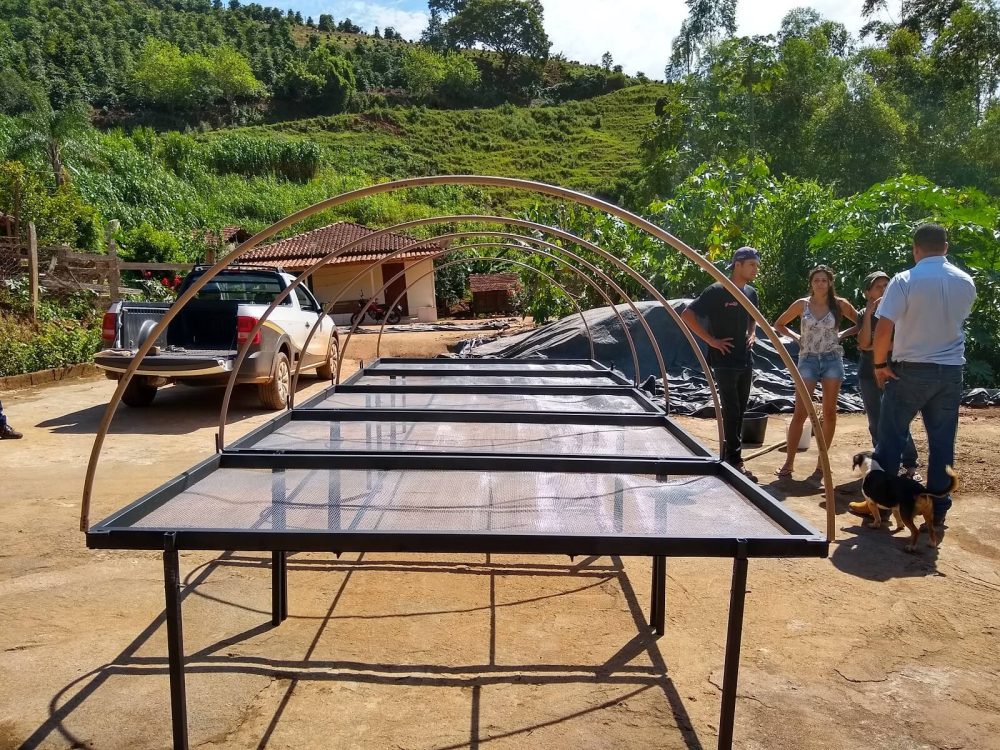
One of the projects we’ve invested in through a social premium per bag is to fund raised drying tables which Elton is keen to use for his crop. These should dry the beans more uniformly, and avoid any contamination reducing rejections. Here’s his mum, Gorete, checking on the first pick to be dried this way. Can’t wait to cup it!

News for next time

brazil jacutinga taste guide

Jack of all trades!

Jack has joined the team full-time and adds a lot of energy and enthusiasm to the office and warehouse – which we love!

He is passionate about coffee and about the way we trade so he is keen to learn and travel to the farms.

What most excites you about working with EA?

Loud, lively and very tall.

Give us 3 words to describe you?

Being able to make a difference where it matters, and having a good time in the process.

What will your role be here at EA?

We all do a bit of everything, but I will mainly look after new customers, training, as well as packing up orders and deliveries.

What's your favourite coffee right now?

Grizzly Brown Bear Coffee through a V60 dripper. I love the dark roast blend.

Brown Bear Coffee bag in roasted coffee beans

A visit from Matti, all the way from Cameroon

The civil war in the region is awful whilst barely making the news. A combination of no oil or rich natural resources, and other international distractions like Brexit, means a tragic story is unfolding with little awareness or assistance from the international community. That happens so often in our broken world, but when you sit with a friend, a brother, another human being, and hear their first hand horror stories of villages burned, people kidnapped and killed, and worse, then it brings home the reality of what is only a short story on a news website.

I am saddened by all of this; frustrated by my helplessness to change it; and angry at our messed-up world.

Our new Boyo coffee is now here and we are roasting. Delayed out of country because of the unrest, fears over the security of the mill, and then road blocks, but it’s here now and tasting great. Chocolate and dark fruits accent this mellow coffee.

Right now this story, this coffee, embodies who we are as EA – our trips out for the past two years have been cancelled, but our relationship has endured. Matti and his fellow farmers are grateful for our commitment in the face of delays, and we are humbled by that gratitude. Helpless on a grand scale the one thing we can do is remain loyal to the relationship and the business whereby they can maintain some income, and have a business to continue on when the troubles cease rather than having to start all over again. And of course it’s good coffee, no compromise.

An economy in turmoil, and a region destabilised, but hope remains.

For now a secure mill and transport and so there is hope that later this year we can get a new delivery of a small micro lot, and hope for some lasting peace.

Fresh roasted and ready, Jacutinga

EA are continuing to work with the rural community of Jacutinga, Poco Fundo, this year. Osmar and his family grow exceptional coffee at around 1200m and it is pure joy in a cup so we are roasting it a little lighter and selling it as a special individual origin.

This high altitude coffee has a sweet chocolate taste, with a little fruit and hazelnut.

Keep an eye out for news and updates from farmers and projects in this community.

BUY NOW

Jacutinga is also where we have invested in drying tables to further help and improve coffee, in partnership with our friends at Neighbourhood.

Cameroon Update – A Worsening Crisis

We had hoped to be out in Cameroon at the end of this year and deepening our relationships with farmers, however that is now not going to be possible.  We hope and pray for a swift and peaceful resolution, for the country and it’s people.  When safe and possible we will continue to support Matti and his fellow farmers.

This is an extract from an email from Matti in Cameroon:


The crisis rapidly turned violent and has taken the country to the brink of civil war. For the past couple of years, the lives of millions of Cameroonians living in the English-speaking regions of the country (where this crisis is unfolding) have been seriously disrupted; thousands have been killed or seriously injured, hundreds of thousands have fled their homes, schools at all levels of education have been closed, villages and towns attacked …

It is not easy to explain how a seemingly peaceful country like Cameroon can so rapidly be breaking apart…

For those of you who are concerned about our operations and the production of coffee, please be assured that we have placed, and continue to place the safety of our field associates and farmers as our most important consideration when conducting field operations:

 * In May a military unit on patrol shot at our washing station warehouse at Sho village without warning, hitting a young man in his eye. He lost his eye, but thankfully the bullet did not enter his brain and we are pleased to say that he has since been fitted with a prosthetic eye.

 * In June the dry mill processing our coffee and neighboring homes and business premises were attacked by the military and many properties were burnt down, including the home of one of the young ladies working on our coffee at the mill; 18 of the young ladies were abducted by the military, but released and returned to their town by the District Administrator.

 * Our export of coffee was interrupted for 4 months, but we have finally moved most of our inventory from the conflict areas and have resumed bagging for export.

I do hope that the Human Rights Watch document will serve as a “wake up call”, a reminder that “prevention is better than cure”, and that it is not too late for us to add our voices to those saying “NO” to violence and disrespect of the rights and dignity of any human being.

Peace and kind regards
Matti Foncha

Newsletter: Improving coffee, improving lives

February 2018

Improving Coffee, Improving Lives

Our Kilimanjaro coffees are exceptional high grown Arabicas and cup consistently high year after year. This year’s trip was a reflective one after 10 years in Tanzania, and we were able to map the increased quantity and quality of the crop, especially from the smallholders higher up the mountain slopes.

Now, as Ethical Addictions coffee brewery, we have only ever bought the higher grades (AA / AB / PB) but the percentage of their overall crop reaching that standard was at an all-time high this year.

It comes to us following its diligent processing by the farmers to ensure excellent selection, utmost care to washing and gentle drying under the African sun. We expect this crop to land with us in the UK in early March, and first cupping shows the usual strong, bold coffee with its subtle hints of dark chocolate and orange.

Quality of Life

How good our coffee is, is important to us as coffee drinkers, as a business, for our customers, and because it offers a sustainable way to help those who work hard to grow it. That’s why we have endeavoured to build a business that does coffee, trade and social action excellently. Ian’s recent trip to Tanzania did all of the above – checking quality, agreeing the trade, and digging furrows for the latest water project – literally!

For more on the water projects and some of the villagers it has helped, including photos and video, simply click on the links on the right hand side of this journal.

Coffee prices held for 2018

We have already booked our main shipments for the year and managed to save a little on the exchange rate to offset any increase necessary.

Meet Chief Mushi

In honour of the work EA has done in Mweka for the past 10 years Ian was surprised to be made a chief in the Chagga tribe. We think he looks great and should wear his tribal dress in the office!

Ethical Addictions Coffee Roasters
Privacy Overview

This website uses cookies so that we can provide you with the best user experience possible. Cookie information is stored in your browser and performs functions such as recognising you when you return to our website and helping our team to understand which sections of the website you find most interesting and useful.