Ethical Addictions Logo link to homepage

You did this!!

Kichao Water Project

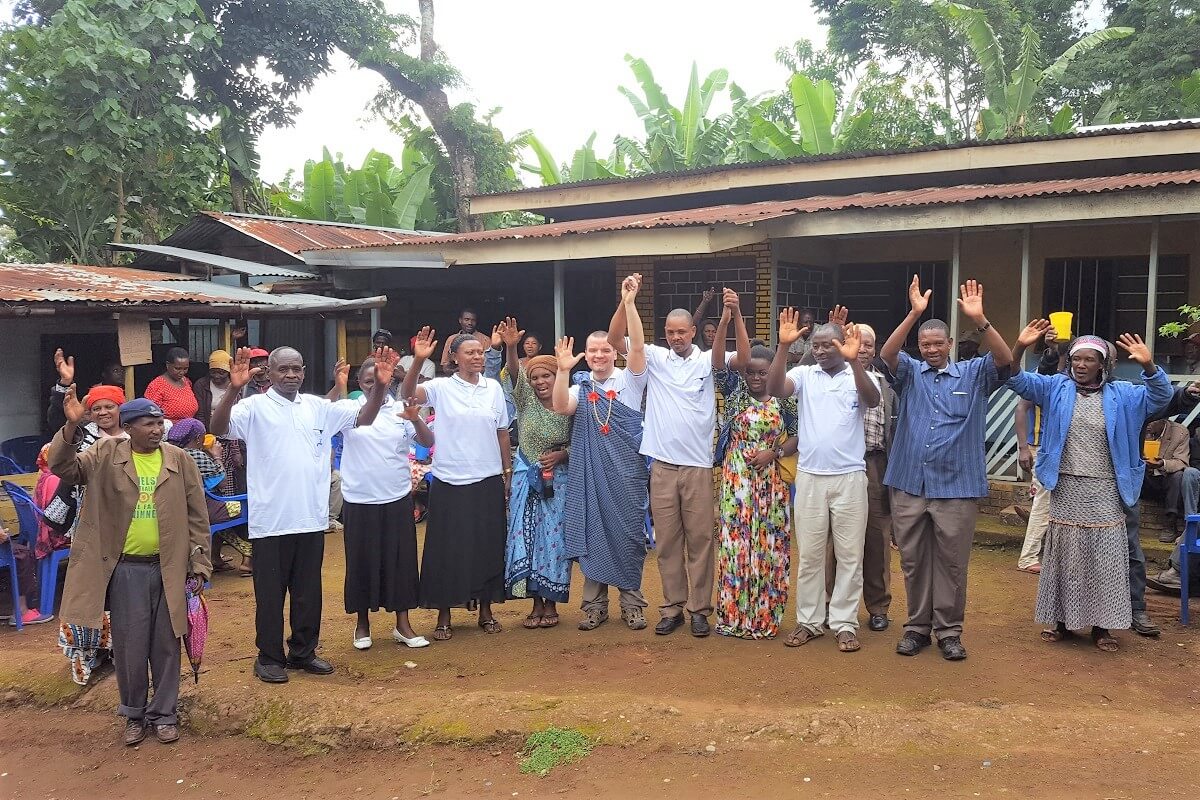
Do you remember we told you about Kichao village, Mweka, Tanzania?

With no access to clean water, they had to walk 1-2km, 5 or 6 times every day to collect water for washing, drinking, cooking, cleaning and their animals, and it wasn’t even clean water! Well, with your help, we have caught, treated and piped water straight into the village and changed the lives of nearly 100 families!

26 families have even already made their own connection so they have their own tap.

It wasn’t without it’s difficulties and couldn’t have been done without the help of excellent people at Machare Farm. We’ve learned a lot from the project, and now with your continued support EA has plans to continue this project into other villages.

Humbling, and life-changing.

Thank you for helping to make dreams reality!

Coffee process: Tanzania. Ethical Addictions Farm Direct

African Coffee

It took me a while from hours of video and hundreds of photos but here is a short video to help better understand the processing of coffee on the farm in Tanzania. (The background music is sung by the Orera villagers where we also buy coffee!)

Transcript from Video

  • Careful selection of each hand picked cherry helps define the crop quality.
  • Bringing in the harvest. Pickers carry their cherries back to the farm to be processed.
  • Back at the farm. Each picker lines up to get their cherries measured and processed.
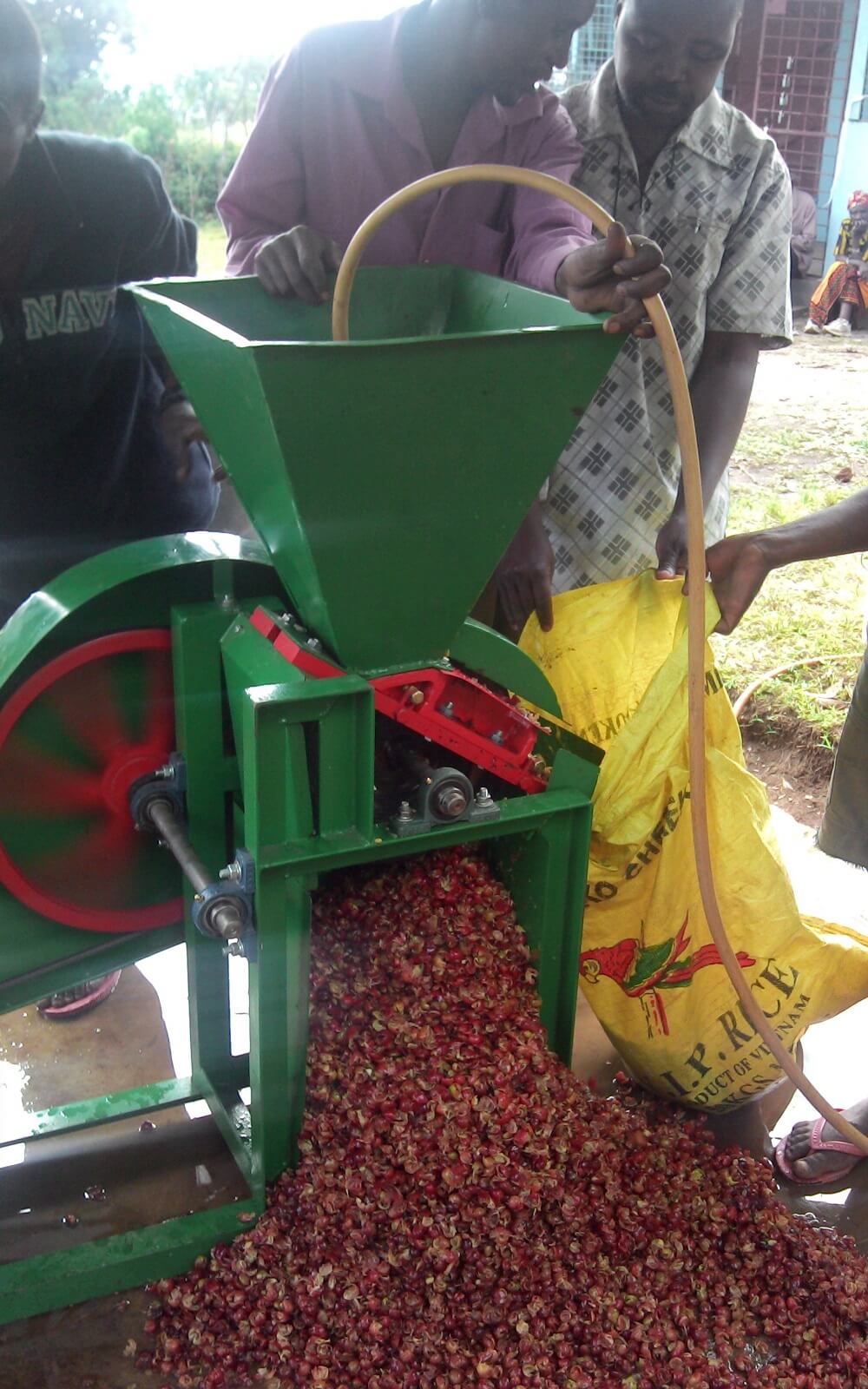
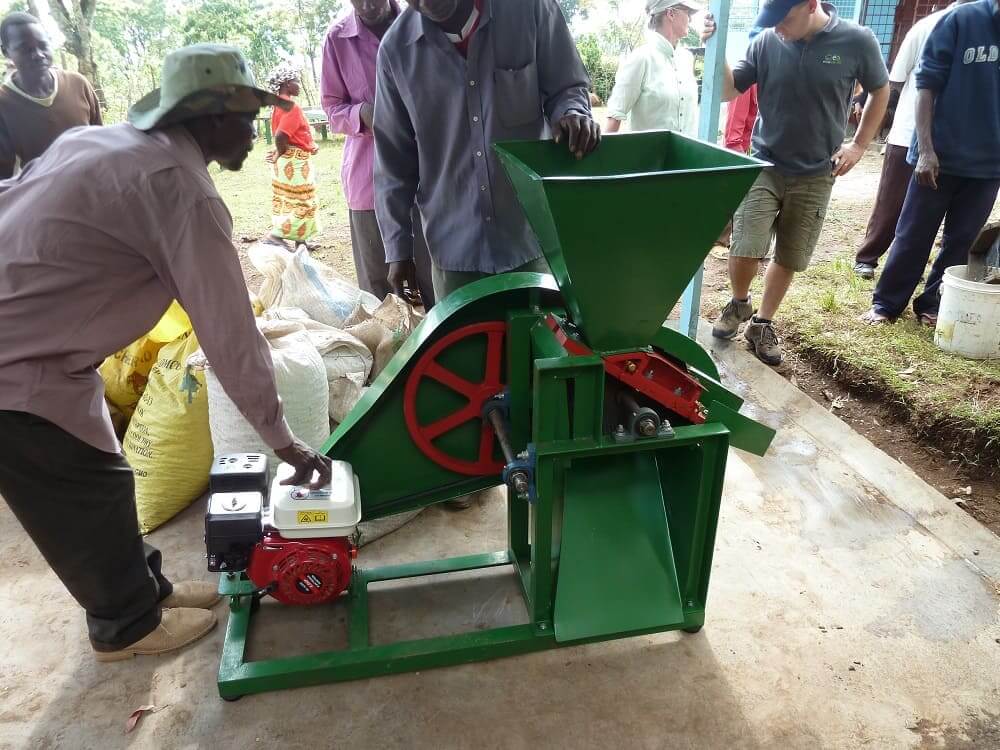
  • Bucket by bucket each day’s harvest is measured and recorded before the washing process begins. From the collection basin the cherries now pass to the pulper to remove the pulp from the fruit and get the beans (seeds) from within.
  • The pulper separates the pulp and directs it into a storage tank where it is later dried to make cascara (a tea-like drink).  The coffee beans are directed into the washing channels for cleaning and to further sort quality.
  • The coffee beans now rest in their own watery sugar solution to ferment until a second washing to further separate any remaining pulp.
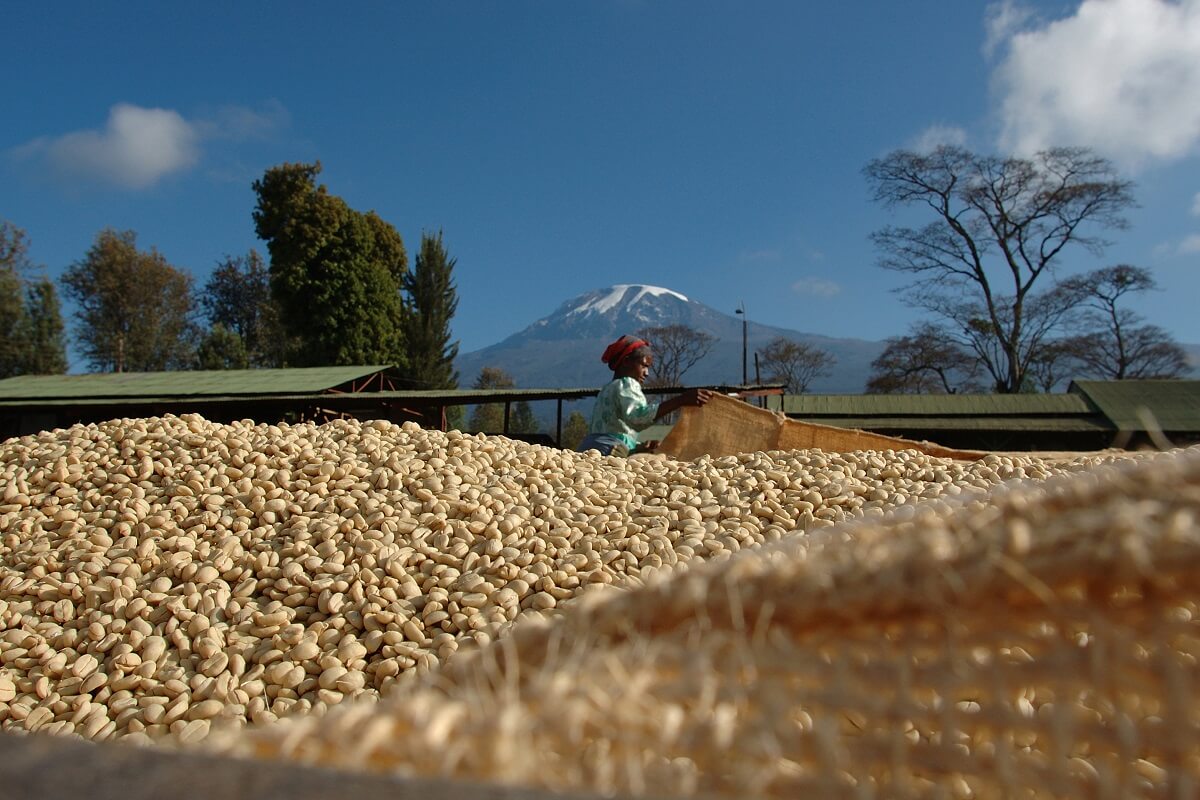
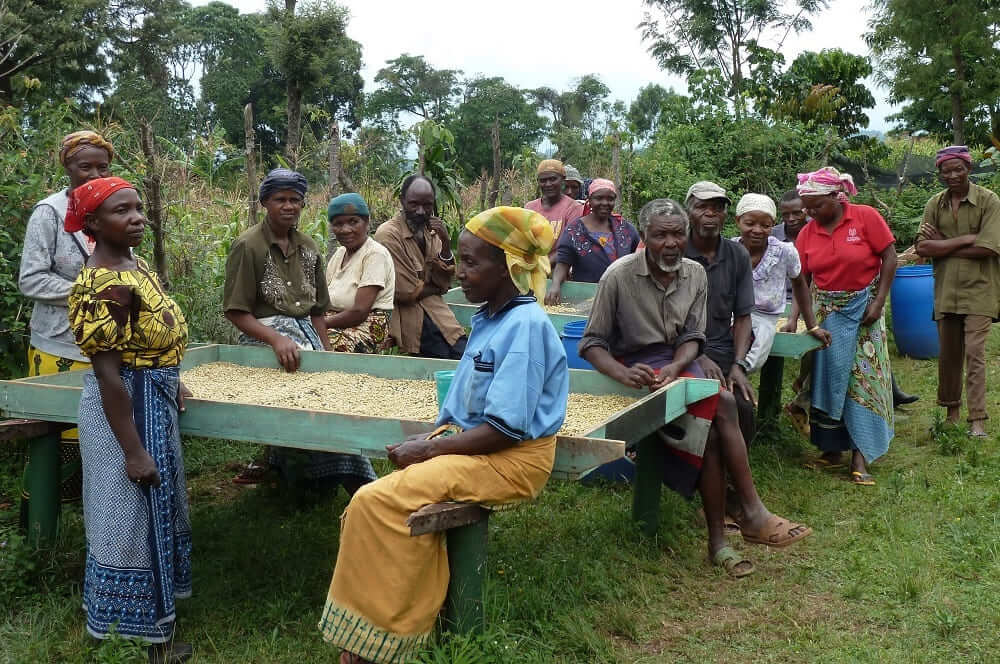
  • then it’s carried to the sorting racks to be hand-sorted for stones and defects and laid out to dry naturally in the African sun.
  • Finally the beans are bagged and weighed before being sent to the mill to have their husk removed and be graded, and bagged for export.

Some additional footage of the farmers on the Machare farm recorded five years earlier.

Questions and comments back from Tanzania

Many of you sent me out to Tanzania with comments and questions – the villagers loved that they could hear direct from those who enjoy their coffee and we had some fun in translation of the questions!

Here are a few of their responses (I’ve paraphrased):
  • What are your biggest joys and frustrations as a coffee farmer? “Biggest joy is when we get paid! And biggest frustration is climate being so changeable and unreliable.” 
  • What options do farmers have when they don’t like the alternatives that buyers offer them? – Once the coffee is grown, no option. We have to sell to whoever comes along. But relationship with Ian has changed that. Other things we grow to help sustain us include maize and bananas.”
  • What help do they think we can offer?Do you drink coffee? – “Buying coffee at a good price and coming back every year.”
  • Do you drink coffee?– “Yes!”  (I knew the answer to this before I asked and it is ‘no’, they don’t really like it, and it s a valuable crop, but they wanted to be polite so answered ‘yes’. When I questioned them they just all laughed.)
More photos and little stories online soon

Travel Report…

Here’s the latest from EA – a travel report from our latest trip to East Africa

It really was an excellent trip and very encouraging on many levels. The most telling comment came form one of the farm managers one evening as we talked about trade and aid. We talked about the historical aid situation in Africa whereby an enormous amount of money has been spent on loans and charity, whilst simultaneously abusing the same countries in the way we trade with them. 

“Lots of money has been spent on projects, but no good price has been paid for coffee. If people would just pay well, trade well, and make long-term commitments to relationships, then let producers take care of themselves, their own school fees, their own housing and so on.”

There is so much truth in this and whilst it is often more complex, and initially needs a partnership of trade and aid together, there can be no doubt that a long-term sustainable route out of poverty has to be through trade and development (but done well, and done fairly).

We’re back! Well, actually we’ve been back for a while but with catch-up, Christmas and some holidays we’re only just getting round to updating everyone from our trip to East Africa.

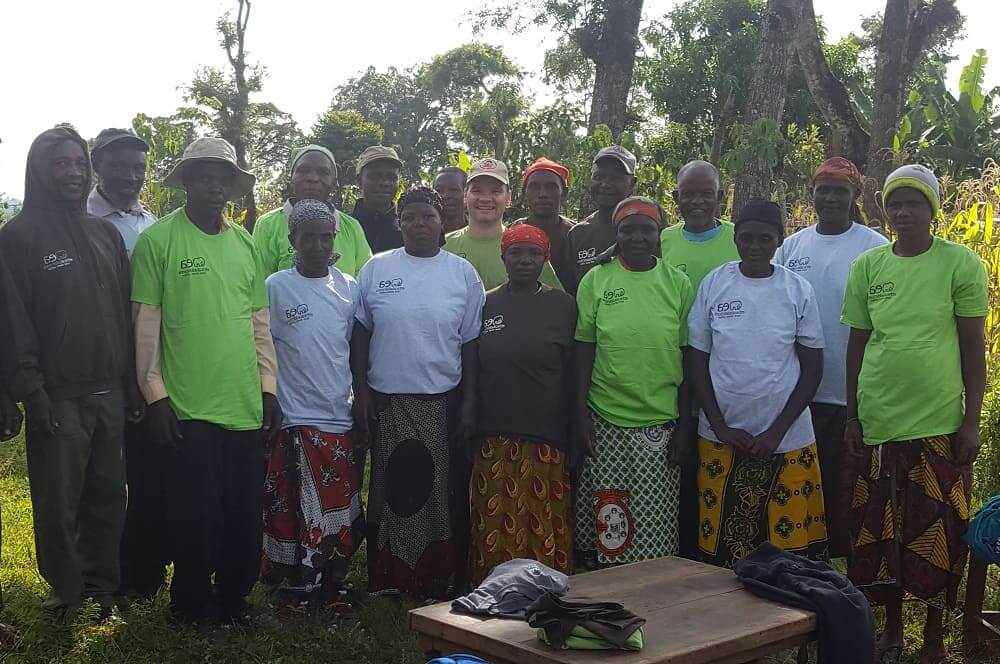
We stayed at Machare Farm and witnessed again the excellent attention to detail when it comes to quality of coffee – and we’ve filmed a lot of the process too so hopefully a new film will be available online in the near future. But most impressive were some of the environmental projects and the increasing use of biodynamic farming – more labour intensive but using natural fertilisers, reducing waste water in irrigation, organic composting, and all indigenous tree-planting. All whilst preserving precious natural habitat for local wildlife.

Whilst the quality and environmental care of Machare was awesome, the most exciting and encouraging part of the trip had to be in the villages. On arrival at Orera we were greeted by the elders along with singing and dancing (Ian felt obliged to join in which was not a pretty sight!) We had the real privilege to see the projects we have been supporting, and to officially open the new community-owned CPU. Ian had to climb the roof to hammer in the final nail, drink the ceremonial banana beer (!) and cut the ribbon.

We also got to return to the small village of Manoshi to renew business with them too. The photos hopefully tell the story, but for those who’d like to know more please call as we have plenty of stories to tell!

We’re back! News from Orera, Kilimanjaro

Following our visit to the Orera village in December I want to share the following updates.

The harvest was early and so most of the picking was done. All the beans were in the final days of drying before going to the mill and then being packed to send to us in the UK.

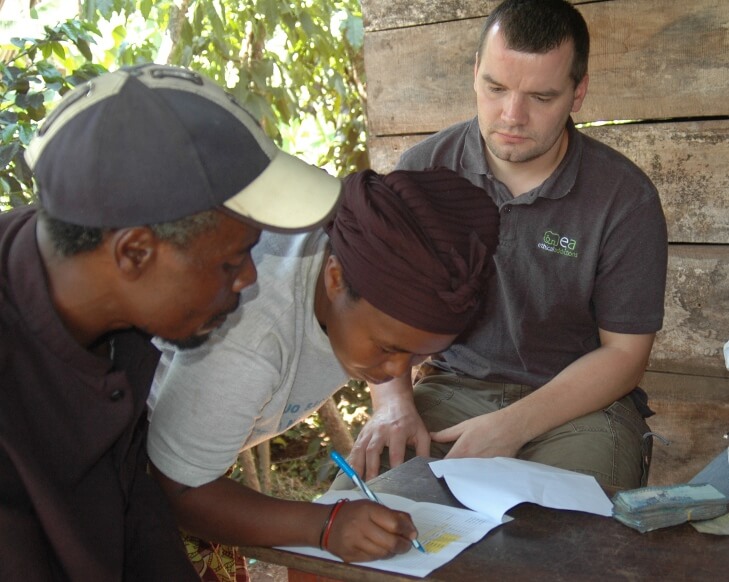
signing for payment
We made some pre-payments on the crop which is essential for smallholders given they often have no other sources of income, and no lines of credit like big companies. The money helped them to pay for food for Christmas and for education fees due early in the new year.

We looked around the village and met with the kids, taking gifts and playing silly games. We sat through long meetings and then one-by-one paid each smallholder and had them sign for their receipt which is such a huge leap forward in transparency and avoids dispute and corruption (even if it is a long process!) See the list of signatures here.

There was further encouragement with progress on tree-planting by the Community Club and a new bee project. The land that was jointly purchased for pulpery and processing is now finalised and ready for the building of a store house which EA were able to make a donation towards construction.

Great trip, and encouraging to see the real difference we get to make. The work we do is a privilege and we’ve returned thankful for the customers we have who make it all possible.

Orera Village buy new land for pulpery

With the help of farm management from Machare and gifts from EA, the Orera Village were able to buy new land for the village nursery and for the central pulpery – further allowing them to develop their coffee production and coffee quality.

EA remain committed to working with smallholders like Orera and have bought their crop again for 2011. When it is in the UK the first batch of roasting will begin soon.

Ethical Addictions Coffee Roasters
Privacy Overview

This website uses cookies so that we can provide you with the best user experience possible. Cookie information is stored in your browser and performs functions such as recognising you when you return to our website and helping our team to understand which sections of the website you find most interesting and useful.