Ethical Addictions Logo link to homepage

Honest Conversations & Real Consequences
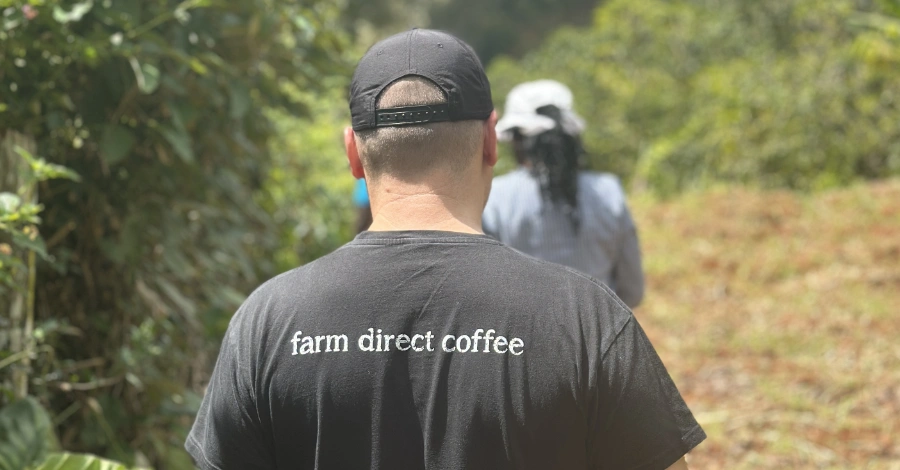
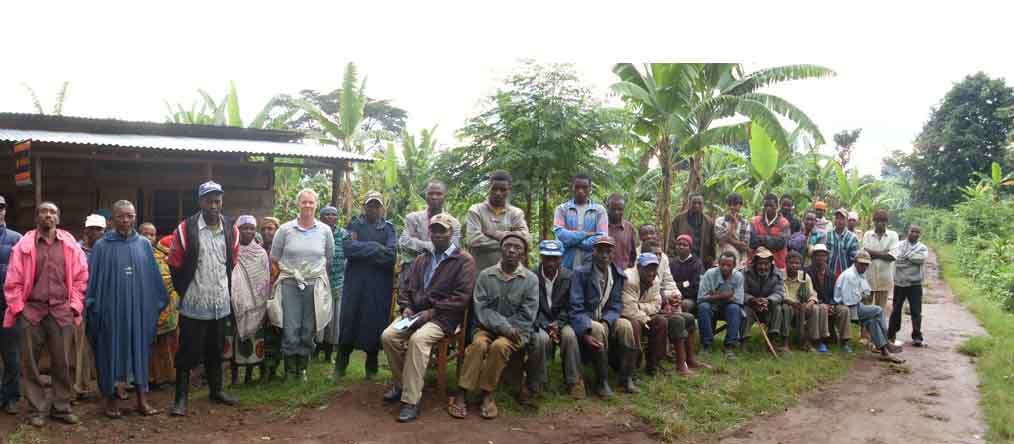
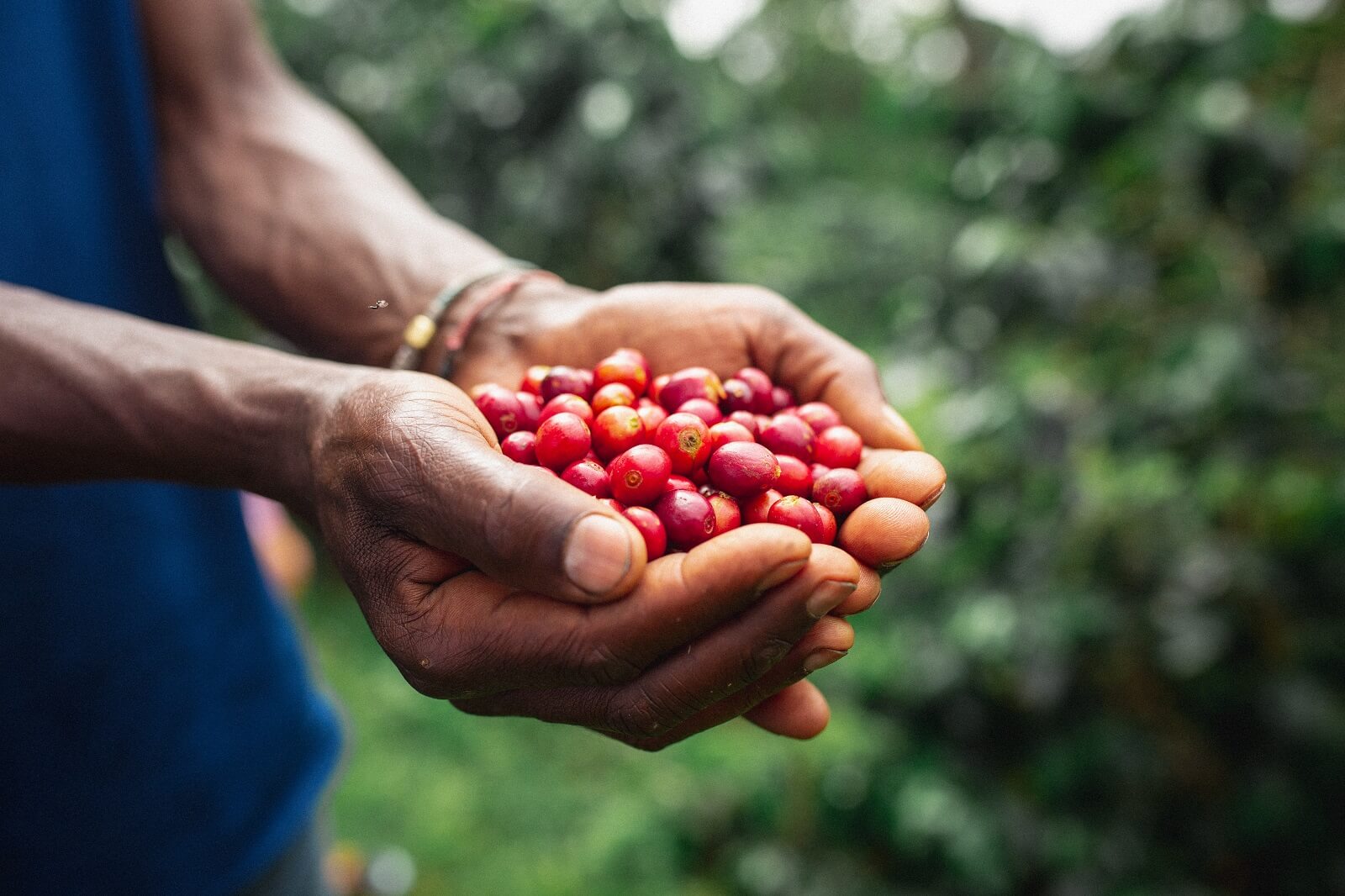
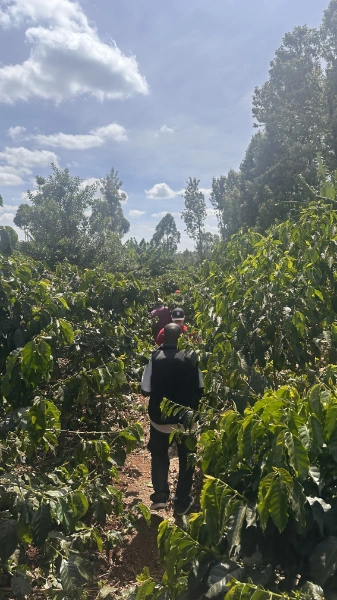
Ian walking in dorothys farm in kenya

Table of Contents

It’s early January, the excitement of the festive period left behind, resigned to negative temperatures and the UK’s miserable weather… we’re thankful we can escape it, for a week at least. 

🇰🇪 New Adventures - Kenya 🇰🇪

Stepping out of Nairobi airport at 6am local time, somewhat tired and disorientated, the mid-twenty degree temperature was a very welcome change, and as loyal devotees to the caffeine life we gravitate to a cafe for a much needed coffee. Its not a long wait before we are met by Peter, our contact and one half of Two Rocks Coffee.

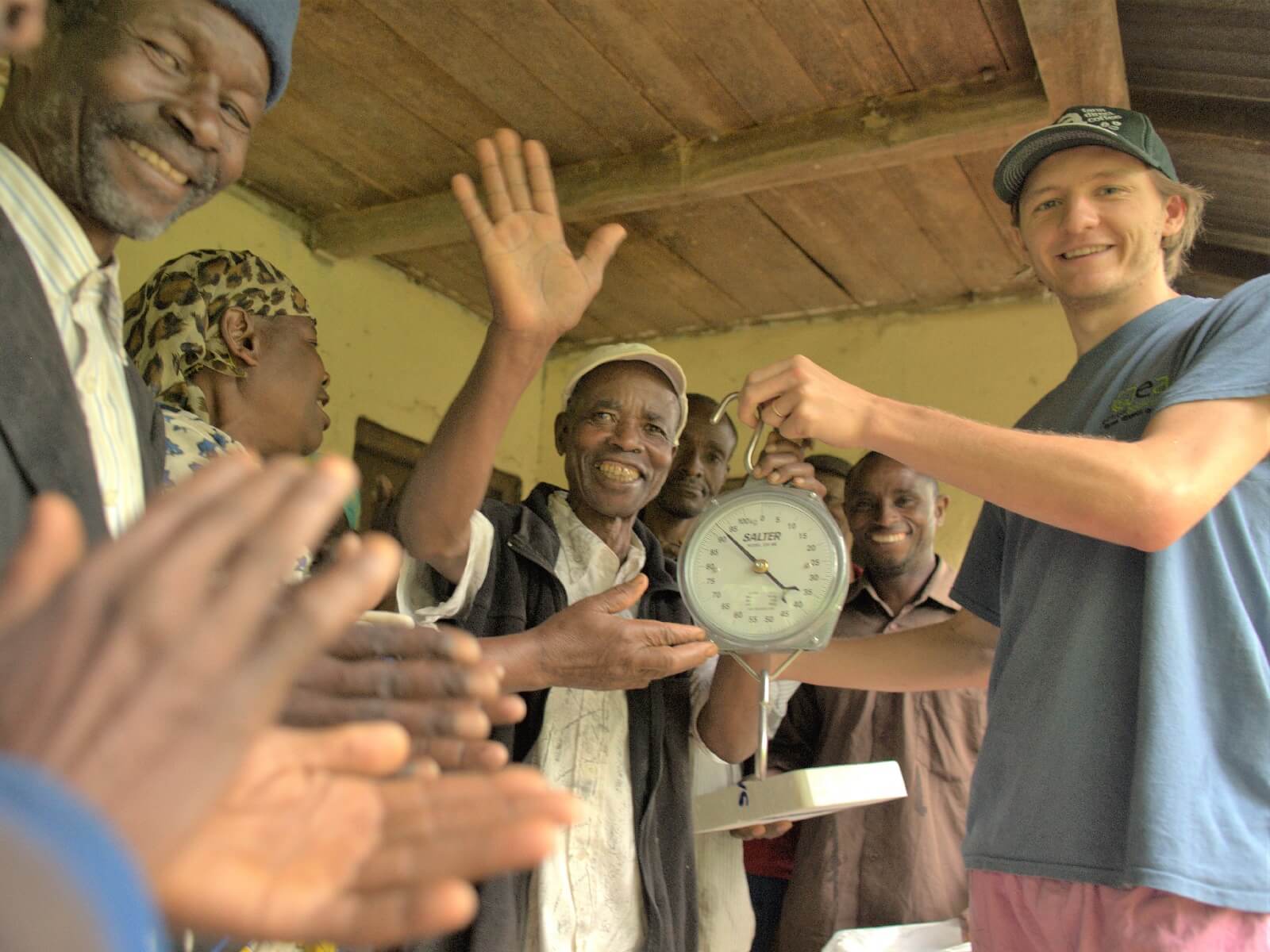
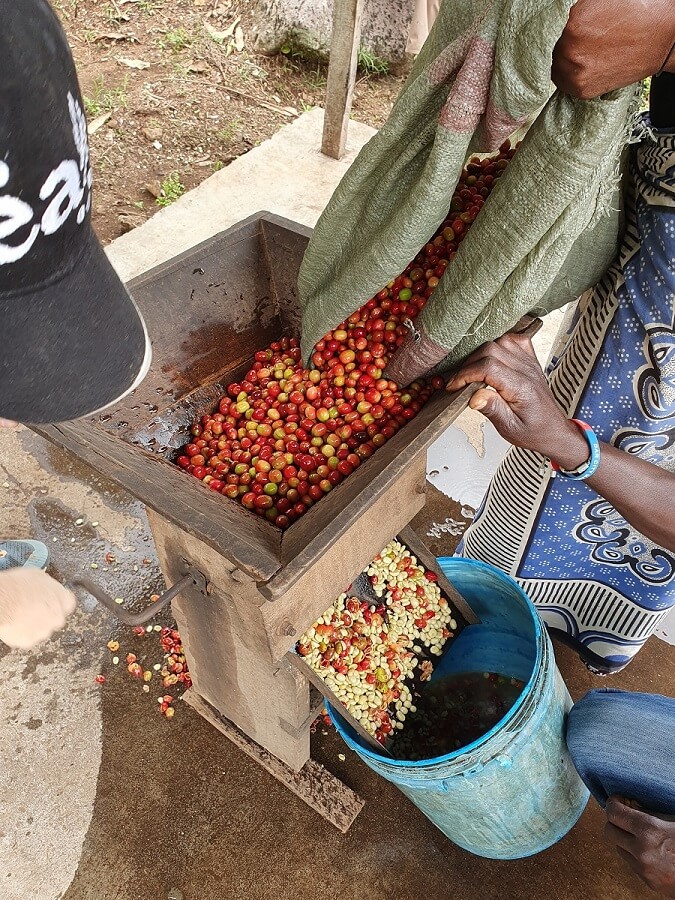
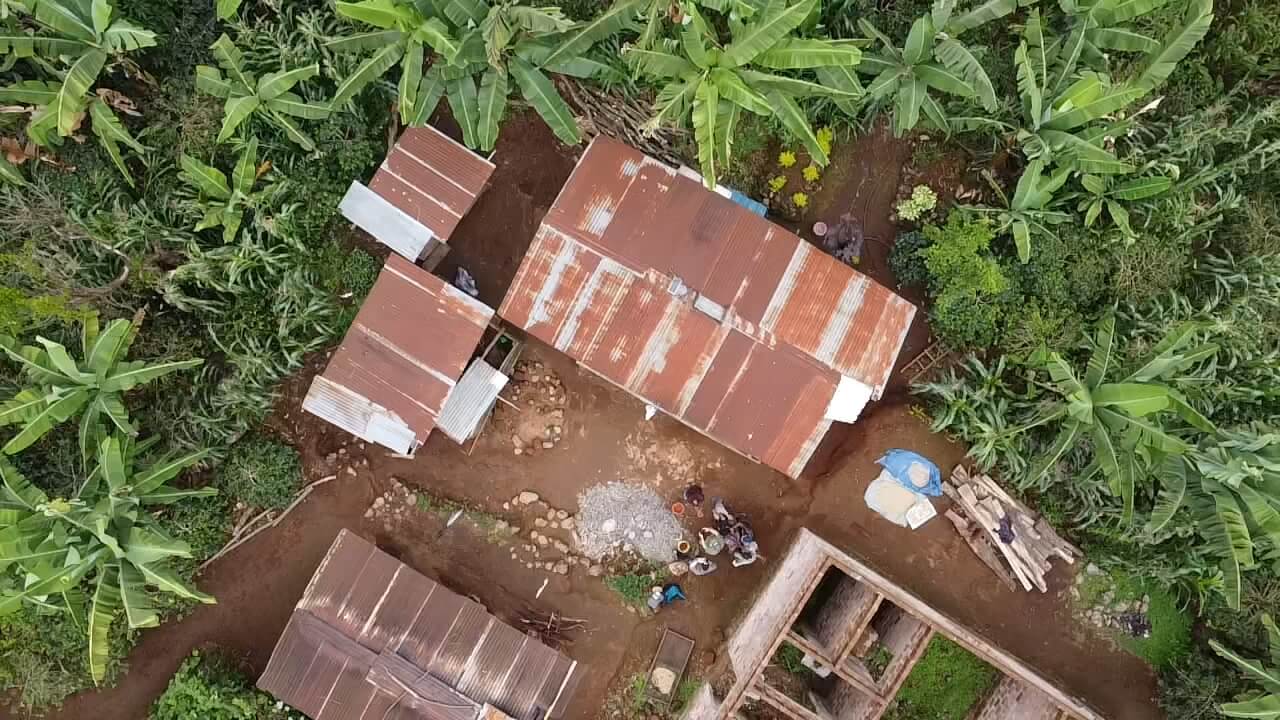
After a quick breakfast with Peter and Peterson (the second half of Two Rocks Coffee), we make our way to the smallholders in the villages outside of Thika. From the get-go we are introduced to some of the issues facing the smallholders; some have been so disheartened by yield and the prices they subsequently get, that they are ready to dig up the trees and start farming other produce. However, through the day, as we visit the various farms, the group of farmers join in with us to see what the their peers are doing and in seeing what others in their community are doing they are encouraged by the possibilities that could be available to them. Even things as simple as mixing manure into the soil and growing other crops to diversify their income, all the way up to one of the farmers called Simon, an engineer by trade, he has introduced a biogas system using the manure from his cows and chickens as a source of fuel. On top of this, he has pumps that push the left over silage around his trees returning the much needed nutrients to the soil.
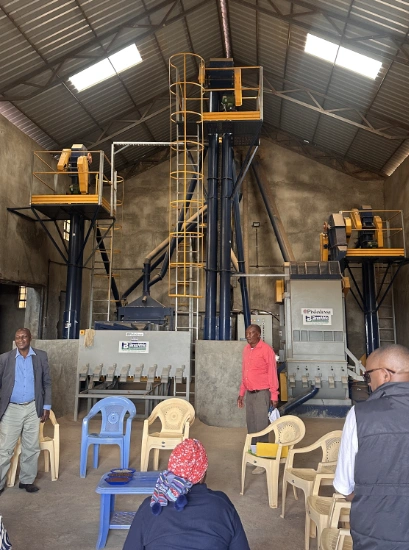
The following day, Peterson takes us to Abedare Mill, where a collective of over 200 farmers have come together to mill their dried coffee. Joining us is James, a commercial Q grader, who joined as a consultant to help Two Rocks Coffee in making sure the coffee is up to the speciality standard that we need.

At the mill, we cup some of their coffee along with James and are pleasantly surprised at the quality they have been able to produce. It’s not perfect but it gives us a lot of optimism in the potential partnership we could have and the quality that could potentially be produced. The visit is rounded off by again going to a few of the farms and again seeing how they are having to diversify in what they grow and sell given the current volatile nature of the coffee market.

Our day finishes with a meal out with Peterson, his wife, Grace and their son Kim, which provides us with an opportunity to get to know the family better. A big part of being able to source the coffee directly depends on having a good relationship with a central contact in country who shares our values and is someone we can trust and rely upon. 

So one of our goals going into this trip was to really get to know Peter and Peterson, and very early on in this relationship we already know that their hearts are very much aligned with ours, if not their choice of football teams.
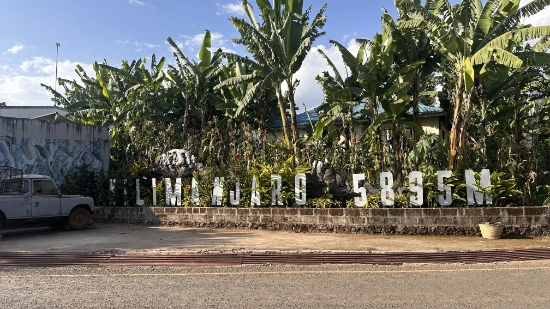
🇹🇿 On the slopes of Kilimanjaro 🇹🇿

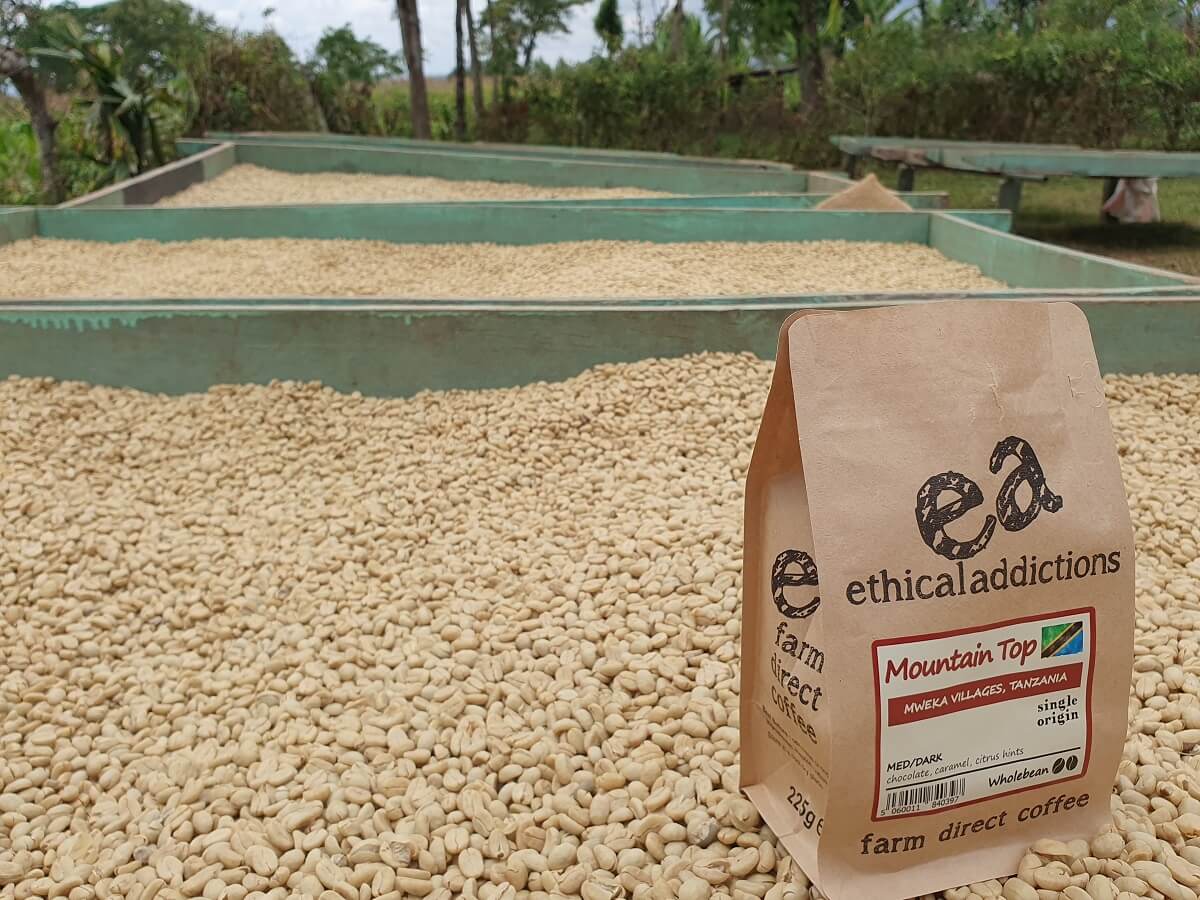
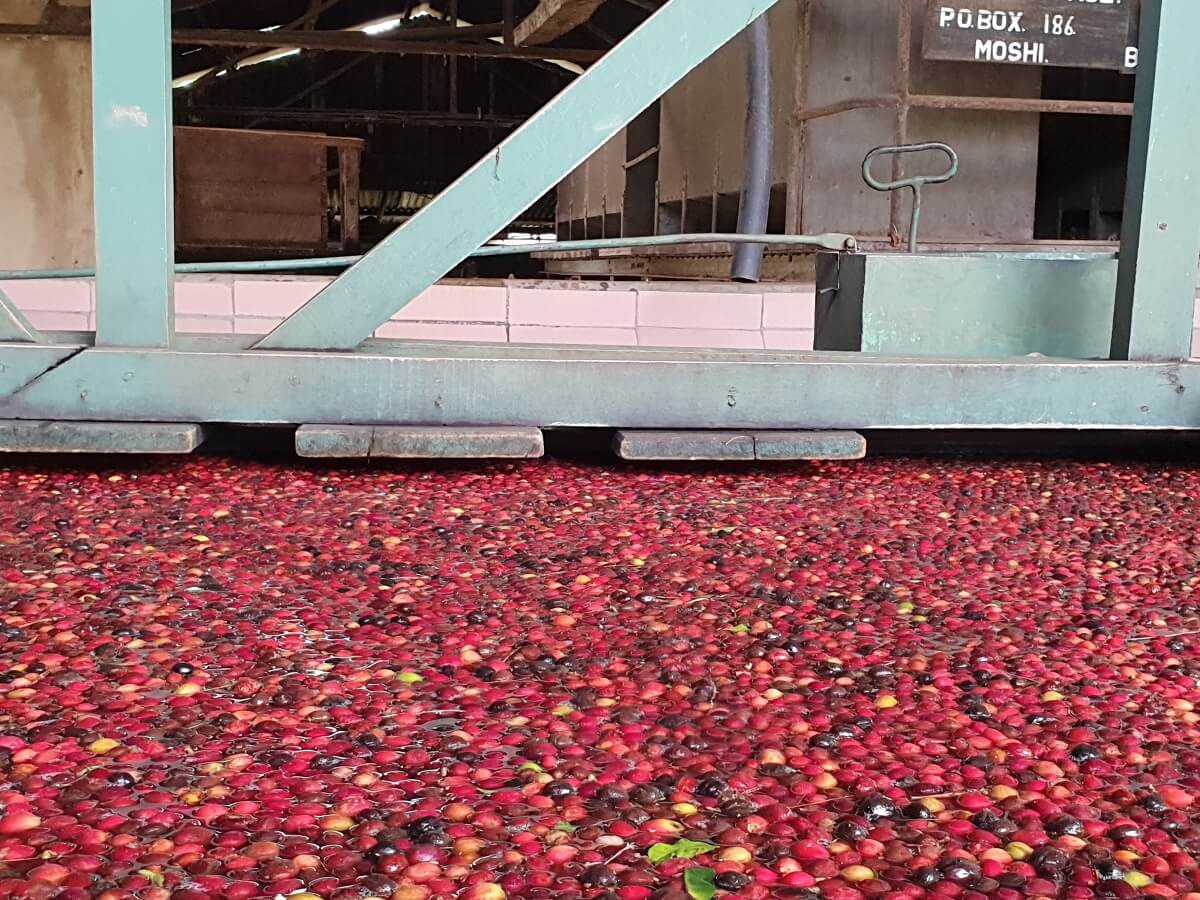
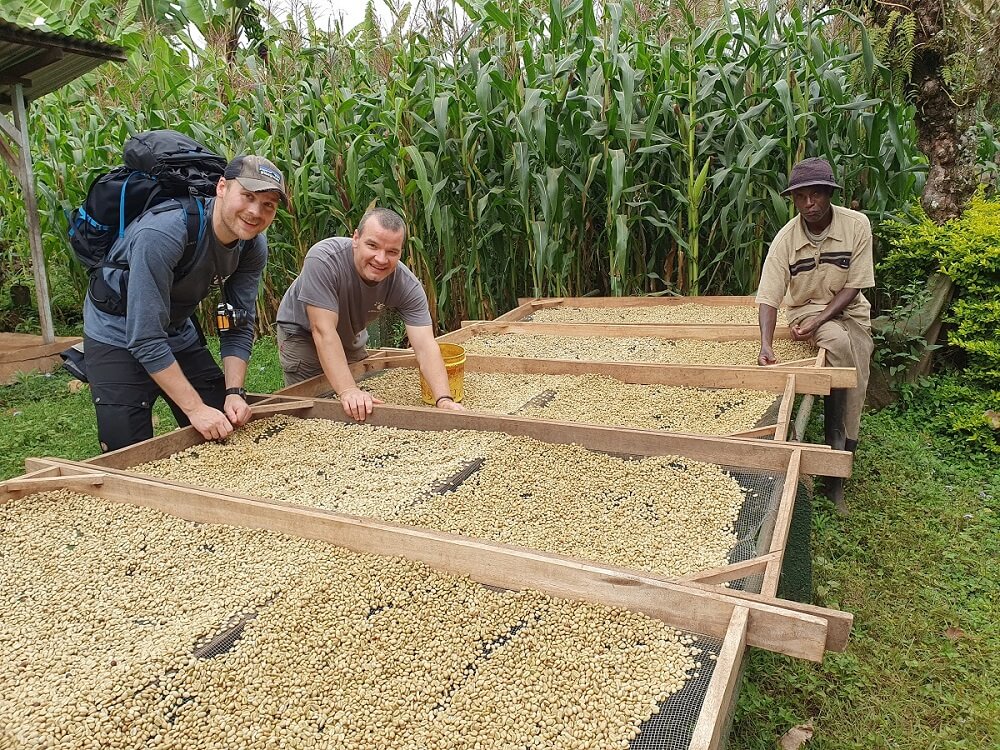
One 8 hour bus journey, a border crossing and many bumpy roads later we arrive at Machare Farm in Tanzania, Ian has been here many times over the years, but for me it’s a first. We are shown around the farm by Bente, who talks me through the process of washing and drying the coffee cherries . For the last two years I’ve seen photos, I’ve read previous origin reports, but it’s a whole new thing seeing it in person, to see the importance of things like shade-grown trees and allowing the natural ecosystem to continue to thrive.

We meet up with Thade who takes us up into the Mweka village, and after a brief swim in a waterfall, we walk through the village farms. As we go, Thade explains the difference in how the smallholders differ even to the farm just a short walk down the hill. He shows us how they prune the trees in ways that won’t inhibit their yield, of how they grow their crops in between the coffee trees and how having the shared soil benefits each of the plants. 

It seems obvious to say, but even after one day, there is a clear difference between the new relationship in Kenya to this well established relationship that Ian has built with the people like Bente at Machare and Thade at Mweka.

A classic day with EA

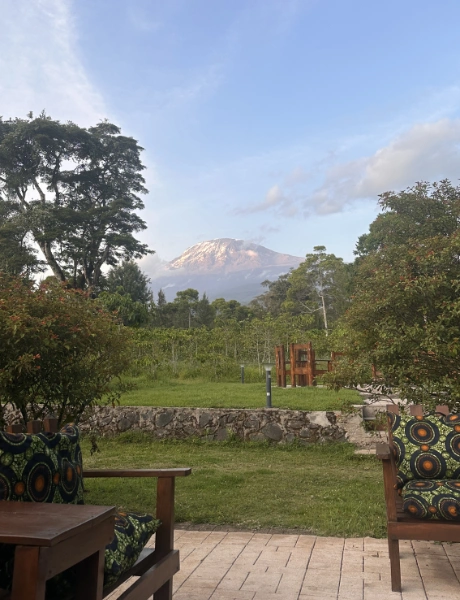
We start the next day with a breakfast with a clear view of the mountain, and honestly I can’t remember a better start to a day. We are picked up by Ralph and his assistant, Ishani, and go to cup some of their coffees, including a couple experimental processes we haven’t previously come across, and we get to share some of our own expertise in helping them set up their coffee machine and a bit of basic barista training. 

Our afternoon starts once again with walking up to the village with Thaddi, this time we make our way to Omi School, where last year we helped them to build a new toilet block for the students. This was quite emotional as the teachers shared their thanks and showed us the block we helped to build, and for me personally it can be easy to fall into an abstract and detached understanding that we invest into the communities, but this was a reality check of really knowing that the work we do does have a real impact to the communities we work with. We finish off our visit by returning to sit with the teachers and talk with them about what more we can do for them, so keep a look out for our post about that!

We move on to meet with the Orera Village CPU (Coffee Processing Unit) who have for many years supplied us with our ‘Mountain Top’ coffee. Sadly however, it is here that we really see the impact that the changing climate has on the crops here. Where we usually would get 30 sacks, this year they have one sack (for context, even the main Machare farm is down 80% from their average crop!), nowhere near what we would need to be able to ship it over to the UK. Whilst not having one of our favourite coffees is upsetting for us and our customers who love it, it’s nothing compared to the negative impact that not having coffee to sell has on this community. The village relies on selling their coffee to help with all the costs that come with sending their children to school, from their text books to the food they have at lunch. So not having coffee to sell means no funds to be able to send their children to school for a year, which will obviously have a major impact on their and their families future. It’s a real testament to Ian and the ethos he has built at the core of Ethical Addictions, that his immediate reaction was to ask how much they would need to be able to send the kids to school, that the children shouldn’t have to pay the price for circumstances far beyond their control. 


We leave the CPU with much to think about, and make our way to Thade’s house, where we meet his wife and children, and they show us how they mill, roast and grind their coffee, and whilst it’s vastly different to how we would do it at the roastery, it’s fascinating to see the same principles applied in a very different way. 

We finish the day by having dinner with Ralph, Bente and Ishani, and again it’s just a nice time of conversations and food, and another instance where it’s easy to see the relationship between EA and the farm in Machare.

Looking back, Ian and I have reflected that this day just epitomises what EA is about, 

1. Enjoying good coffee, 

2. Helping set up machines and teaching basic barista skills

3. Investing in community projects

4. Supporting the farmers in more ways than just buying their coffee

5. Building good relationships.

Honest Conversations

There are so many other things I could say but ultimately my main thoughts coming away from Kenya and Tanzania is for me this is when things became real. I have been part of the EA team for just over two years, and in that time I’ve learnt how we trade and how it differs from other roasters, I’ve seen the photos and watched the videos, I’ve even met one of our Brazilian farmers when they came to the UK. However, it’s another thing entirely to see in reality the farms and the relationships Ian and EA has built with the people in Tanzania, and the relationships started in Kenya.

But part of those relationships is being able to have honest and real conversations with people. For example in Kenya, we had to be honest that if the coffee wasn’t at the quality needed, we can’t buy it. At the end of the day whilst we want to work with them, support them and help them in their business, ultimately we care about both sides in the chain, our suppliers and our customers so we need the quality of coffee to offer to our customers. We have been encouraged by the steps that Peter and Peterson have already taken to improve their personal knowledge of coffee, and in encouraging the farmers in the steps they can take in caring for their crop in ways that will improve quality and yield.

So while there is a long way to go in our relationship with Kenya, and there is challenges to be overcome in Tanzania, we left quite optimistic about our future partnerships and look with excitement as to what the future may bring.

Origin Report: Kilimanjaro

Table of Contents

Introduction

It’s late November 2022, Ian and I have travelled to Tanzania and the slopes of Kilimanjaro to visit the farmers, smallholders and friends that grow our coffee. For EA the relationships in Tanzania are the oldest we have and are a key part of our story. Regular trips and visits to the farm and the villages have been a critical part of not only securing contracts, but maintaining friendships and identifying where we can help with projects.

In the past few years, the global pandemic has put a rain check on any plans for travel and as such there is much that we need to catch up on. Personally, this is my first trip to origin, so there is a great deal for me to learn.

Machare Farm

A few days into our visit and much of that time has been spent learning about coffee, not in a classroom or from a book, much of what I have learned were things that I thought I had understood from what I had read or been told. It wasn’t until I saw them in practice that I gained a true understanding of the magnitude, means or care given in each stage of the process.

At the farm I have seen the cherry be sorted in the syphon, pulped, washed, fermented and sorted during a second wash; I have watched and helped with the tireless process of hand sorting the beans on the drying tables. Although the magnitude and the means are impressive, it is the care that is given at every stage of the process that is truly astounding. That process begins in the nursery with the care given to the coffee trees themselves right up to the beans being milled and packed ready to be sent to Ethical Addictions for roasting.

This care also extends beyond the farm and the small holdings to the environment that they rely on. Reusing the pulped cherry as compost,growing coffee amongst the indigenous trees (shade grown), and building beehives.

Picking coffee with the Orera Villagers

Walking up to the Orera Village, that borders the top of the farm, we have had the privilege of picking alongside the owner of the small holding Laurent. Laurent is the chairman of the Orera CPU (Coffee Processing Unit) who’s sun stained EA cap is a testament to the long standing relationship between the village and us.

The same care is present on this small holding as it was at the farm. We manoeuvre around and through the trees selecting only the ripe cherries, placing them in the buckets, as we weave in and out of the maize and banana trees growing amongst the coffee.

By the end we are put to shame and our haul looks measly next to the experienced pickers. In spite of our meagre haul, the villagers are insistent that they honour our efforts. I’m told that since Ian already has a Chaga (the tribe indigenous to the mountain) name and since I picked on this small holding then I should take their name as my Chaga name so am christened Eliud Mrema (Eliud was given to me on a trip I made to Kenya where they struggled to pronounce my name).

It is a small thing but it feels like a genuine honour (even if, as I write this I still have no idea of the correct pronunciation of it). Following my naming, we take the coffee to the CPU to be pulped and washed (again with the same care as at the farm, even if the scales and methods vary.

The weather has turned, we have not long left the CPU but fat, soaking raindrops are beating down, soaking us and turning the narrow pathways though the lots of maize, coffee and banana trees into a greasy red mud. Thade our guide is ahead of us, leading the charge for shelter. When we finally arrive at his house we are drenched but smiling.

Thade’s house is further testament to the importance of the relationship EA has with the Orera Village. As I mentioned earlier, while this is my first trip to origin, this is not my first trip to East Africa, nor even its agricultural parts. When travelling in Africa, the majority of villages I have seen have consisted of almost entirely mud huts, or shacks of wood and corrugated sheet metal.

Like many in the Orera village, Thade’s house is made of brick and concrete, meaning that his family house will be safer and have greater longevity, lasting down his family’s generations. To us in the west this may seem like a strange thing to note, but it is truly a testament to what can be achieved when value is put back into farmers and smallholders, rather than the value of the crop being chipped away at by the various buyers and traders taking a cut of the profits in the markets. Sharing lunch at his house with his family is also a reminder that people and lasting, meaningful relationships are why we do what we do.

New Project With Omi School

It is our last stop of the day and we have made our way to the local school. We are standing outside a disused toilet block that is roped off and with good reason. The ground moves, bounces almost as though the floor is sprung. They were built on the caves in the mountain, the school’s principal explains but as the cave has eroded above and without the proper drainage, they are concerned that the floor could collapse at any moment. She taps her foot for emphasis and the floor shifts again. To the side of one of the toilets the floor has already given way and an unpleasant odour rises out of the pit.

These had been the boys toilets but since the threat of the toilets collapsing into the cave below, they have been using a new block of toilets that had originally been built for the girls. While the shell of that new block of toilets had been built by the government, the school had been left to find the funds to properly finish them. It seemed like this was something that we as EA should help with, especially since eighty percent of the children from the Orera village attended Omi School.

Climate Crisis - Kilimanjaro

Waking up we walk onto our veranda, looking up at the garden of our guest house at the Machare Farm. Our gaze is fixed far beyond the garden’s end.

It’s still cool, though in the short rains it won’t reach above the mid twenties. A veritable orchestra of different birdsong have already begun the dawn chorus that will continue throughout the day, such is the quantity and variety of life that teems in the trees that bathe the coffee farm in shade.

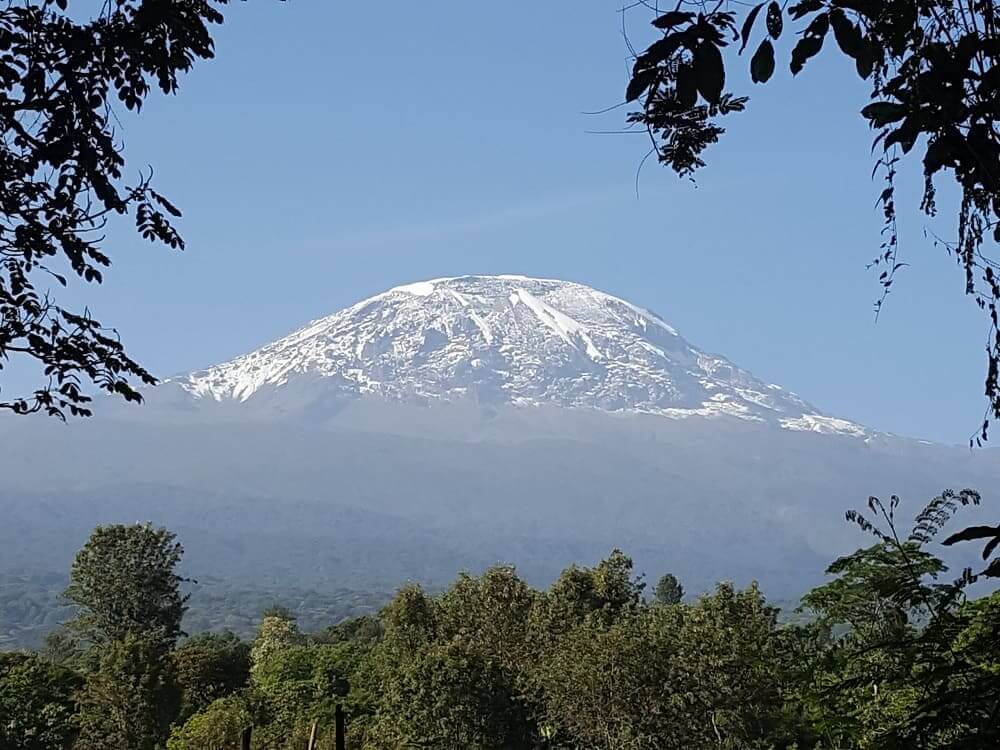
Beyond the rainforest, further up the slopes, who’s evaporating dew snakes lazily through the canopy. Our gaze is firmly fixed on the bank of cloud that is rolling away like a theatre curtain being drawn back, as though nature itself were taking joy in the theatrical, revealing of its own majesty. Kilimanjaro!

It stands dominating the landscape. The recent rain on the farm has translated as snowfall on the mountain. Its white cap is seemingly at odds with its tropical surroundings. It is hard not to be overwhelmed by its beauty. And yet, while we revel in this view and this moment it is also tinged with sadness.

The mountain’s summit slides out of view, once again obscured by a bank of cloud. The summit will reappear from time to time throughout the days, though its sudden disappearance of the snow swept slopes seems apt. The timing of the visit rides on the coattails of COP27. The conference being held on the African continent places a great deal of emphasis on the impact the climate crisis is already having on developing nations.

Much of the climate science published in the build up to and during the conference shared the same lens. Not a month earlier we had read a report that by 2050 a third of the world’s glaciers would be gone, including the Kilimanjaro glacier, the one we had just watched slip behind a bank of clouds.

The loss of the Kilimanjaro glacier is more than a matter of aesthetics. With the current rainfall the rivers that border the Machare Farm and through the Mweka villages, flow freely. The water bowsers for storing water and distributing it among homes are full. However when the rains stop, these rivers that feed all the life on these slopes, providing water to farms and farmers, rely on the glacial melt waters to flow year round. Without the glacier in the dry season there is a good chance the rivers will just vanish.

Conclusion

Leaving Tanzania it felt like we had packed a lot into just a few days. I had seen how the farm and the small holders worked, I had been astounded by the care that went into producing the coffee and had witnessed the impact of direct trade on the small hold farmers. We had spent time refreshing relationships and we had the possible beginning of a new project.

I’m returning to the roastery with a new sense of why the DNA of EA and what we do matter, both in the impact on the coffee and those who care for it at every part of its journey from farm to cup.

Elliott has been with EA since 2020. He is a big fan of hats, fixing stuff, skiing and alternative milk! He enjoys a pourover or cheeky flat white.
Elliott profile image
Elliott
Bean Machine!

Africa Coffee Archive

Africa Coffee Orera Villagers 2009

Ethical Addictions purchased it’s first Africa coffee from the Machare farm on Mount Kilimanjaro in Tanzania.

This journal entry features the first three issues of the Daily Espresso that were published in 2009. Reading these articles you will discover some of the projects that Ethical Addictions has been involved with in Tanzania and the difference it has made to the villagers being paid fairly for their coffee.

Table of Contents

March 2009

At the beginning of January we had a discussion in the office (our new Elephant House) about how we were going of-set our carbon footprint for 2008. After discussing a number of options I decided to speak to the farm manager at the Machare farm on Kilimanjaro to see if she had any ideas. She suggested that we buy stoves for the families who live in Orera Village. Each stove will save half a ton of carbon a year but more importantly hugely contribute to the health and life for a family. Have a look at the before and after pictures we have just received.

This is Justina Mrema and her family (her youngest ( a daughter) was born on the 6th of January. We are delighted to say that we have just bought 16 stoves to offset our carbon. I don’t say this to brag about how great we are but more to say that we can all help contribute to one family at a time.

Before
Before
After
After new stove installed

We set out EA in order to drink and supply some of the worlds best coffees, alongside this we genuinely wanted to make a difference in some of the poorest parts of the world. As a small independent company we can only make small, but very real, steps to making a difference.

Following last year’s hydro-electric project and this year’s stoves project the real difference is starting to show. We’re hoping that through continued growth and customer support we’ll see a significant, sustainable difference in the Orera Village and other farms we work with. If you want to talk about how you can help make a difference than give us a call.

Did you know?

We have purchased the whole of the Orera Village’s 2009 coffee crop and it will be available online as “Mountain Top” coffee very soon.

This will provide for the 600 villagers a guaranteed income at a price higher than they could have hoped to have achieved before and a commitment to future crops.

July 2009

As some of you are aware; we set out on this Ethical Addictions adventure with the hope that we could enjoy some of the worlds best coffees whilst also being able to make a genuine difference to some of the poorer parts of the world. Probably the most exciting venture so far has been working alongside the Orera Village on the slopes of Kilimanjaro.

The Orera Village consists of 150 households and is situated just below the rainforest nestling at 6100 feet up the mountain. Being the highest village on Kili and due to its isolated location it isn’t connected to mains water or the electricity network. So far we have been able to assist the village with its three major projects.

The first one was in 2005 with the hydro-electric project. 10 hydroelectric units that produce 500 watts will provide renewable electric for 15 homes. Not only has this system provided electricity but the added benefit is the piping system which which can divert to water for irrigation for the coffee trees and vegetables. This has reduced the water usage by 98% which means considerable less soil erosion but will mean that water is available all year round for drinking. 

Africa Coffee Orera Villagers 2009

The second project was helping to purchase cooking stoves for the village. The homes have been burning wood inside their huts for cooking and heating. The amount of smoke created by the fires inside the homes is equivalent to smoking forty cigarettes a day.

The stoves will also mean that 1000 litres of Kerosene will be saved per month – the money saved will go towards paying for school fees.

The third project has just arrived! When we were last out in Africa we visited with the village elders of Orera and in discussion with them we agreed to purchase their entire next crop of coffee. The main problem for small villages producing coffee is getting a guaranteed sale at a price that makes it a viable proposition. The shipment of 719 kgs of Orera village coffee has just arrived – for us this is a very exciting day. With much anticipation we cupped the

first batch. We were shocked at just how good the Tanzania Kilimanjaro coffee tastes. Shocked because even though the geography is perfect, we weren’t certain about the first years crop. The taste was dark and smooth with a velvety cocoa and caramel finish that was up there with the very best we have tasted.

For those us us who run small business’ we know how tough it can be, but having the Orera coffee arrive goes a long way to making it all worthwhile. The adventure continues… 

Due to the small quantities Mountain Top coffee is only available online.

November 2009

A huge thank you to all those who contacted us and wished us well on our recent trip out to the African coffee farms in Tanzania and the charity work in Uganda (more about Uganda in next months newsletter). 

As many of you who partner with us (that’s you our much loved customers – you know who you are!) We hope to make a difference in the developing world as well as sourcing some of its best speciality coffee. Now we aren’t always sure that we are having an impact. However a couple of emails from a friend on Kili helped us see what difference Ethical Addictions and those who supply the coffee are making. I will let some of the villagers from the Manoshi Village tell you in their own (translated) words.

❛❛

"This season, I harvested exactly 488kg of coffee cherries. I intend to finance the secondary school fees for my two older children and the primary school fees for my three younger children. Moreover, I will finish the building procedures on my house. If there are still some savings remaining, I will buy hens and a goat."
Bernard Malya
Manoshi Villager
"I have to raise my four children on my own. With the earnings of the 25 kg harvest, I would like to finance the secondary school fees of the two eldest and the primary school fees of the two younger children. To this purpose, I also need to invest in the improvement of my coffee farm so that next year’s harvest will be more fruitful."
Ionofefa Kiwia
Manoshi Villager
"I collected exactly 236 kg coffee cherries. I would like to start building a new house in which we will better protected against the heavy rains during the rainy season. I also would like to buy hens. Last-but-not-least, I will be proud and grateful if my two children can finish high-school so that they can attend University in the future."
Alois Shahuri
Manoshi Villager
- This year, I harvested exactly 416.5 kg coffee cherries. With the benefits of this harvest, my priority is to invest in the improvement my coffee farm’s efficiency, send my eight great children to primary school and repair my house.
Elisabeth Mambo ~ Africa Coffee
Elisabeth Mambo
Manoshi Villager
The exceptionally favourable price for the coffee helped me to pay the tuition fees for secondary school for my eldest son and for primary school for my two younger children. We could also finance the food for the all-day school.

Moreover, as there were heavy droughts this year, the money facilitated us to buy beans and maize that we couldn’t grow in self-reliance. Last-but-not-least, I could buy a cow supplying my family with milk. This is just a flavour of the letters we received. I hope like us your thrilled that together we are making a difference.
Laurent Josef Manoshi Villager
Laurent Josef
Manoshi Villager

❜❜

This is just a flavour of the letters we received from the farmers coffee. I hope like us your thrilled that together we are making a difference.

Cameroon Boyo ~ Impact of the Coronavirus

Back in June our friend in Cameroon, Matti Foncha, who we buy our Cameroon Boyo coffee from, uploaded a video to YouTube where he talks about how the coronavirus  has affected him and coffee production. We have also included a transcript for people who would prefer to read rather than watch the video.

Impact of the Coronavirus Crisis

on the production & direct trade of coffee from Bamenda

Transcript (11 June 2020)

My name is Mattie Foncha. I’m a farmer and I’m in Bamenda (Cameroon). We grow coffee as well as many other crops which we take to world markets. I organise and coordinate the work of so many other farmers in this region but when the government banned travel and closed the borders because of Covid 19, I found myself at home with my elderly mother. She’s in her nineties. So it places both her and me in the high risk category for Covid 19.

In Bamenda most people have not really felt the true impact of Covid 19. We haven’t seen the dramatic deaths that they’ve seen in other countries around the world. People go through the motion. We wear masks and we try to keep our distance but people don’t really truly understand what it’s about so I am glad that I happen to be home with my mother when this travel ban was imposed and I’m going to continue to be here until I am absolutely sure that she can be protected and kept safe. So yes in a way Covid 19 has affected me and my life but it’s in a way for me it’s a positive effect because it gives me a chance now to be sure that I’m giving my mother the best protection she can get at a time like this.

Our main production is coffee. I’m in the farm here where you can see a lot of coffee trees but we also grow beans and other crops along with the coffee. So when we were faced with the issue of Covid, my own work professionally got a little bit disrupted because typically I’ll go to market areas mostly in Europe and the United States. We also have customers in Asia.

I will visit our customers and make arrangements for pricing. We sell our coffee directly to the world market and directly to farmers. That was directly to coffee roasters. So not being able to travel we had to restructure how we work and so now we mostly use online channels to communicate. We use social media as much as possible but we also use direct emails, phone calls and that way we can keep ourselves going.

Why we were able to do this and not feel too much the effect of Covid is because we built up very strong relationships. Direct sale relationships, direct trade relationships. For the roasters who handle our coffee and then the roasters for us who they trust to do the right thing to give them quality.

It is mid- August … the daily rains have stopped, but only for about a week – our “small dry season” – time to harvest and replant supporting crops. Let’s hope that that the rains resume soon – good for our farms, good for our coffee!

Our hometown Bamenda is still functioning pretty good because again the dramatic effect of Covid hasn’t really hit home yet so we go through the motions when you go to the bank they keep a social distance . When you go to churches they are also like that but the markets are still open and people enter crowded buses and crowded motorcycles so we have some ways to go but again were fortunate that the rest of the world has experienced Covid and they’re able to give us some pointers for what to do to take care of ourselves.

Were obviously looking forward to what people call the new normal that’s going to be coming up post Covid but I somehow think were already living the new normal when you look at sister city relationships like Bamenda and Dordrecht and you look at the potential for direct connection in that way that is how trade should have been and that is how were developing our trade. Intimately connecting the partners one with the other and in the spirit of mutual respect and trust that each party will do whatever it can do to empower the other one and were very very grateful for the people of Dordrecht for being our partner and our sister city.

Recommended Reading

You can also find out more about what the country of Cameroon is going through right now then we recommend the following:

BBC article on the city of Bamenda (Cameroon)

Video by the Washington Post:

Cameroon, divided by two languages, is on the brink of civil war:

The boys are back in town

Written by Jack

Fresh from the trip to the Machare African coffee Farm and the surrounding smallholders in the foothills of Mount Kilimanjaro I am sitting, reflecting on the privilege it is to now be part of the EA journey, and to realise how great it is to have been working with these communities for the past 12 years.

I’ve been with EA just over two years now and this was my first trip to origin, and what a trip! I knew we have good coffee, and I knew we did great stuff in country, but to see the attention to detail involved in bringing us such high grade beans; to see the impact of the way we do business; and the social investments we make – it just blew me away.

A lot has changed over the course of the decade but two things that stand out are:

  1. The increase in attention to detail 
  2. The improvements in farmers living standards.

Whilst the potential of the coffee has always been outstanding, coffee farmers have grown in their care for their crops and we have seen an increase in quality and consistency year on year. It is touching to see how proud the farmers are of their coffee and grateful for our ongoing relationship. They know and trust that as long as they keep producing their coffee at a high standard, we will continue to supply it to coffee shops across the UK.

For us on a personal level it is hugely encouraging to see how EA and its customers have helped to improve the lives of farmers and their communities. Hearing stories of how farmers can send their children to school, build a bigger home and afford healthcare reminds us of why we believe the direct trade model has to be the right
way of doing business.

Furthermore the success story of the Mweka villages and the relationship with EA is spreading across the region. Our hope is that it will lead to more relationships either with us or other businesses who share our way of doing trade and investing in people. 

We are looking forward to the new year and decade with renewed encouragement to get this unique coffee into more cups and further the lives of our friends in Tanzania, Brazil, Cameroon, Colombia . . . .
Jack has been working at EA for just over 2 years. His favourite blend is our Jacutinga and he takes it black.
Jack Neave
Full of Beans!

A visit from Matti, all the way from Cameroon

The civil war in the region is awful whilst barely making the news. A combination of no oil or rich natural resources, and other international distractions like Brexit, means a tragic story is unfolding with little awareness or assistance from the international community. That happens so often in our broken world, but when you sit with a friend, a brother, another human being, and hear their first hand horror stories of villages burned, people kidnapped and killed, and worse, then it brings home the reality of what is only a short story on a news website.

I am saddened by all of this; frustrated by my helplessness to change it; and angry at our messed-up world.

Our new Boyo coffee is now here and we are roasting. Delayed out of country because of the unrest, fears over the security of the mill, and then road blocks, but it’s here now and tasting great. Chocolate and dark fruits accent this mellow coffee.

Right now this story, this coffee, embodies who we are as EA – our trips out for the past two years have been cancelled, but our relationship has endured. Matti and his fellow farmers are grateful for our commitment in the face of delays, and we are humbled by that gratitude. Helpless on a grand scale the one thing we can do is remain loyal to the relationship and the business whereby they can maintain some income, and have a business to continue on when the troubles cease rather than having to start all over again. And of course it’s good coffee, no compromise.

An economy in turmoil, and a region destabilised, but hope remains.

For now a secure mill and transport and so there is hope that later this year we can get a new delivery of a small micro lot, and hope for some lasting peace.

Cameroon Update – A Worsening Crisis

We had hoped to be out in Cameroon at the end of this year and deepening our relationships with farmers, however that is now not going to be possible.  We hope and pray for a swift and peaceful resolution, for the country and it’s people.  When safe and possible we will continue to support Matti and his fellow farmers.

This is an extract from an email from Matti in Cameroon:


The crisis rapidly turned violent and has taken the country to the brink of civil war. For the past couple of years, the lives of millions of Cameroonians living in the English-speaking regions of the country (where this crisis is unfolding) have been seriously disrupted; thousands have been killed or seriously injured, hundreds of thousands have fled their homes, schools at all levels of education have been closed, villages and towns attacked …

It is not easy to explain how a seemingly peaceful country like Cameroon can so rapidly be breaking apart…

For those of you who are concerned about our operations and the production of coffee, please be assured that we have placed, and continue to place the safety of our field associates and farmers as our most important consideration when conducting field operations:

 * In May a military unit on patrol shot at our washing station warehouse at Sho village without warning, hitting a young man in his eye. He lost his eye, but thankfully the bullet did not enter his brain and we are pleased to say that he has since been fitted with a prosthetic eye.

 * In June the dry mill processing our coffee and neighboring homes and business premises were attacked by the military and many properties were burnt down, including the home of one of the young ladies working on our coffee at the mill; 18 of the young ladies were abducted by the military, but released and returned to their town by the District Administrator.

 * Our export of coffee was interrupted for 4 months, but we have finally moved most of our inventory from the conflict areas and have resumed bagging for export.

I do hope that the Human Rights Watch document will serve as a “wake up call”, a reminder that “prevention is better than cure”, and that it is not too late for us to add our voices to those saying “NO” to violence and disrespect of the rights and dignity of any human being.

Peace and kind regards
Matti Foncha

BBC video of EA water projects

BBC radio interview today about the latest trip to Tanzania and Ian becoming a tribal chief.

To promote this interview, they took pictures and videos that Ian had recorded on location in Tanzania and turned it into this short video that was shared online.

Video Transcript

  • This is the first time Cecilia has used clean running water
  • She lives in Tanzania where Ian Meredith from Gloucester, gets his coffee.
  • He owns Ethical Addictions – an ethical coffee company.
  • He’s also been supporting long-term development for Mweka villages…
  • Like getting running water to people like Felicita, who live on Mount Kilimanjaro.
  • In 10 years, Ian says he’s witnessed huge changes in living standards.
  • The village of Orera is so grateful to Ian…
  • They’ve made him a chief of the Chagga Tribe!

Maji

Maji (water, in Swahili) is something we all take for granted here in the UK, yet it is essential to life, and our absolute privilege to live in a time and place where it is clean, drinkable and available all of the time at the turn of a tap.

And now this is something we are increasingly humbled to be a part of in Tanzania – providing fresh, clean drinking water to families on the beautiful Mt. Kilimanjaro.

The glacier is melting as we have witnessed with our own eyes, and an increasing population, combined with increased farming is putting greater demand on a dwindling resource.

Following the success of last year’s pipework to supply the Kichao village in Mweka, we have now been asked to help with a neighbouring project whereby 37 families have no clean water supply – the solution is to set-up storage tanks so that in times of less water they can fill up overnight in order to make supply the following day.

So we’ll be installing 2x 5,000 litre tanks similar to this in order to supply the village of Kifura Sawmill in Mweka.

Digging and preparation work is happening now and we should get some photos of completed work in the next few months. And I’ll be sure to see the work on my next visit myself.

Ethical Addictions is now 10 years old and I’m genuinely surprised and humbled that drinking good Kilimanjaro coffee would have led to this and the other things we get to do.

Thanks everyone for being part of this.

Here’s to making a difference together,

The Project Completed

Another succesful water project completed and another group of very happy villagers! Here is a short video of the first families turning on the taps!

Meeting with Matti 2016

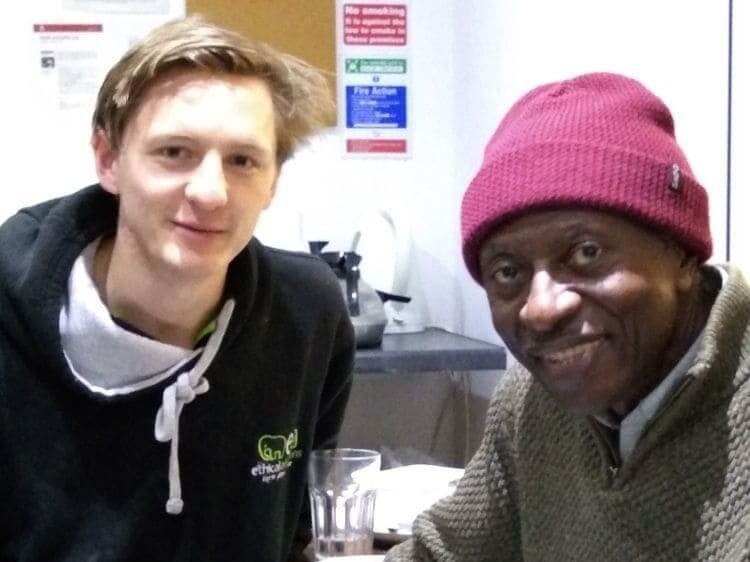
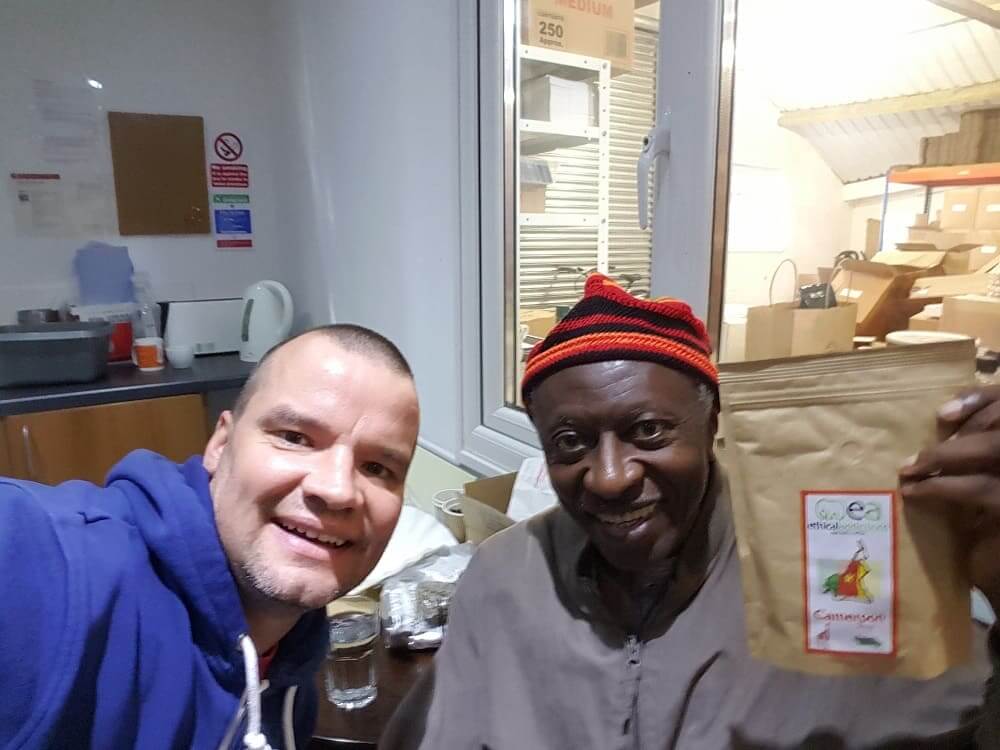
Matti Foncha came and visited us today in Gloucester.  A coffee farmer himself, he also has a role representing his region and fellow farmers to develop trading relationships in Europe and North America.

He has a small company to export coffee and service the farmers but he’s a man on a mission.  He understands that business can be a tool for the greater good, and not just for selfish gain.

We shared coffee, lunch, and more coffee whilst talking about crops for 2017 and the amazing work he’s doing to promote sustainability in the region, develop farming and encourage fairness and quality.  He is building models and piloting ideas that will champion sustainability and change to hopefully secure farming and income for the next generation. What inspires me about this guy is he doesn’t need to. He could sit back on his farm and just do enough for himself, but he’s driven, even called, to more. We started with a small delivery of green coffee beans uk a while ago but are looking to build something with Matti that enables his arabica to join our single origin ranks. 

We love this guy and his passion.

Next for EA & Cameroon?  Another delivery in 2017 arranged by Matti for us, and then we need to grow demand so as it can become a mainstream option for our customers alongside Tanzania and Brazil. Then a visit, consider projects on the ground, and start to ship our own containter each harvest.

Ethical Addictions Coffee Roasters
Privacy Overview

This website uses cookies so that we can provide you with the best user experience possible. Cookie information is stored in your browser and performs functions such as recognising you when you return to our website and helping our team to understand which sections of the website you find most interesting and useful.